Choosing between a WiFi Smart Thermostat and a traditional thermostat depends on what you care about most. If you like using your phone to control things, want to save money on energy, or travel a lot, a WiFi Smart Thermostat is a good choice. If you like simple controls and want something easy to set up, a traditional thermostat may be better for you.
Here’s a quick look at the main things to think about:
|
Feature/Benefit |
Smart Thermostats |
Traditional Thermostats |
|---|---|---|
|
Control Method |
Use an app and control from far away |
Change settings by hand |
|
Energy Efficiency |
Can help save 10-20% each year |
You must change settings yourself |
|
Setup |
Needs Wi-Fi and a harder setup |
Easy to set up, no Wi-Fi needed |
|
Ideal For |
People who want easy use and savings |
People who want simple and steady |
Think about your daily habits, how much you want to spend, and what makes things easier for you. Picking the right one will help you feel good and in charge at home.
Key Takeaways
-
Think about your daily life when picking a thermostat. Smart thermostats work well for people who are busy and travel a lot. Traditional thermostats are better for people with a regular schedule.
-
Smart thermostats can help you save 8-22% on energy bills. They learn what you do and change settings by themselves. Traditional thermostats need you to change the settings by hand. This can make you use more energy.
-
Smart thermostats let you control them from far away with apps or voice commands. This makes things easier for you. Traditional thermostats are easy to use and do not need Wi-Fi.
-
Putting in smart thermostats can be hard and might need a c-wire. Traditional thermostats are usually simple to put in and work with older systems.
-
Think about how much money you want to spend. Smart thermostats cost more at first but can save you money over time. Traditional thermostats cost less at the start but may not help you save as much energy.
What Is a WiFi Smart Thermostat
How WiFi Smart Thermostats Work
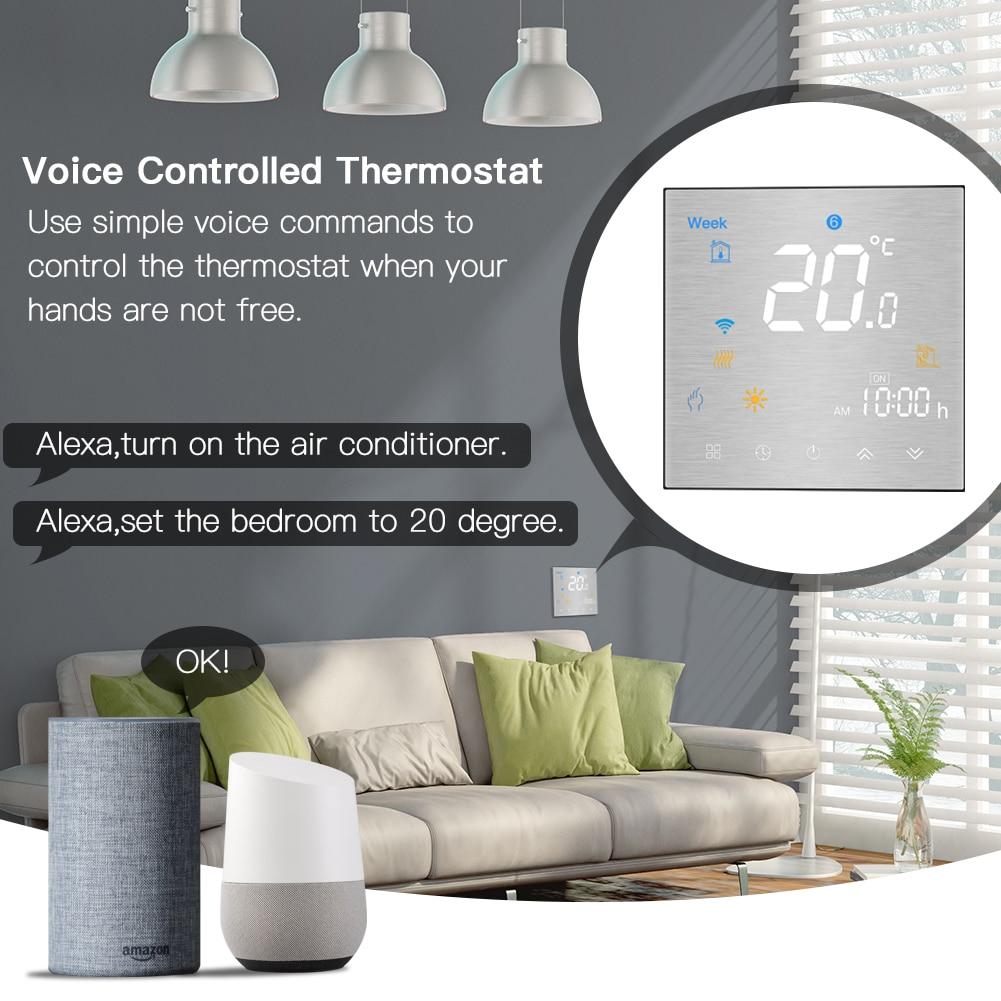
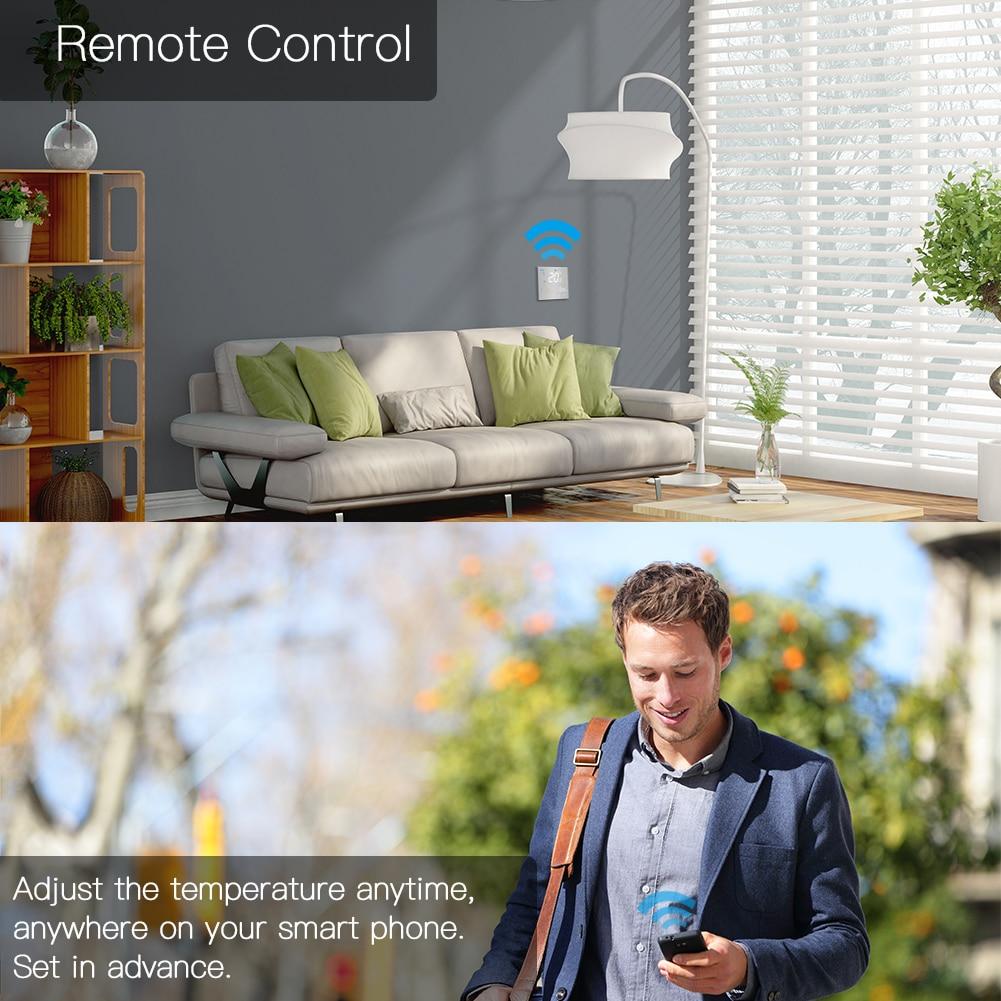
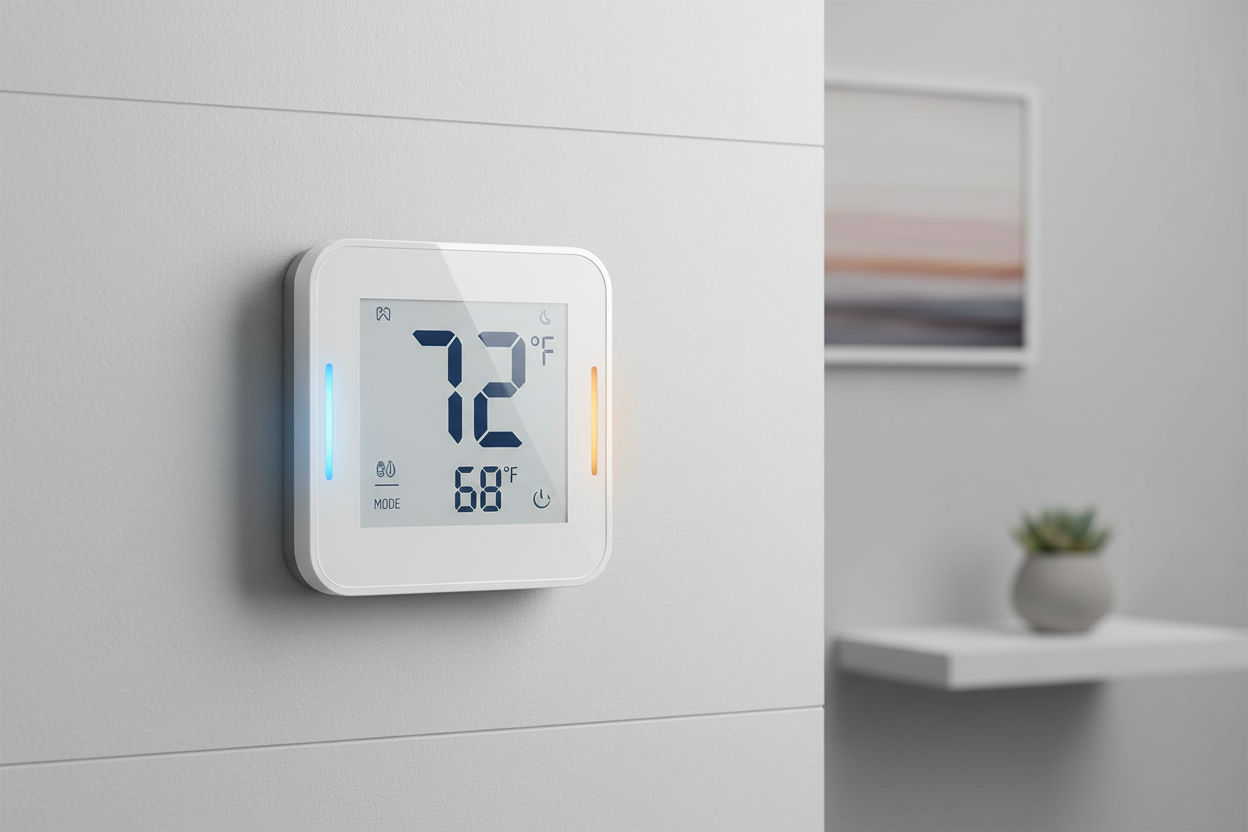
A wifi smart thermostat connects to your home's internet. You can use your phone or tablet to change the temperature. You can also use your voice to control it. You do not need to stand by the thermostat. You can change the settings from your couch or bed. You can even do it when you are away from home.
Here is how a wifi smart thermostat is different:
|
Feature |
WiFi Thermostat |
Smart Thermostat |
|---|---|---|
|
Control via app |
Yes |
Yes |
|
Price |
Usually costs less |
Costs more |
|
Advanced features |
Has fewer features |
Has more features |
|
Installation |
Easy to install |
Easy to install |
|
Voice command capabilities |
Yes |
Yes |
|
Energy efficiency |
Yes |
Yes |
A wifi smart thermostat has an IP address like your phone. This helps it connect to your home network. You can set times for heating or cooling. You can get alerts and change settings from anywhere. Some smart thermostats send reminders or updates by email.
Key Features of Smart Thermostats
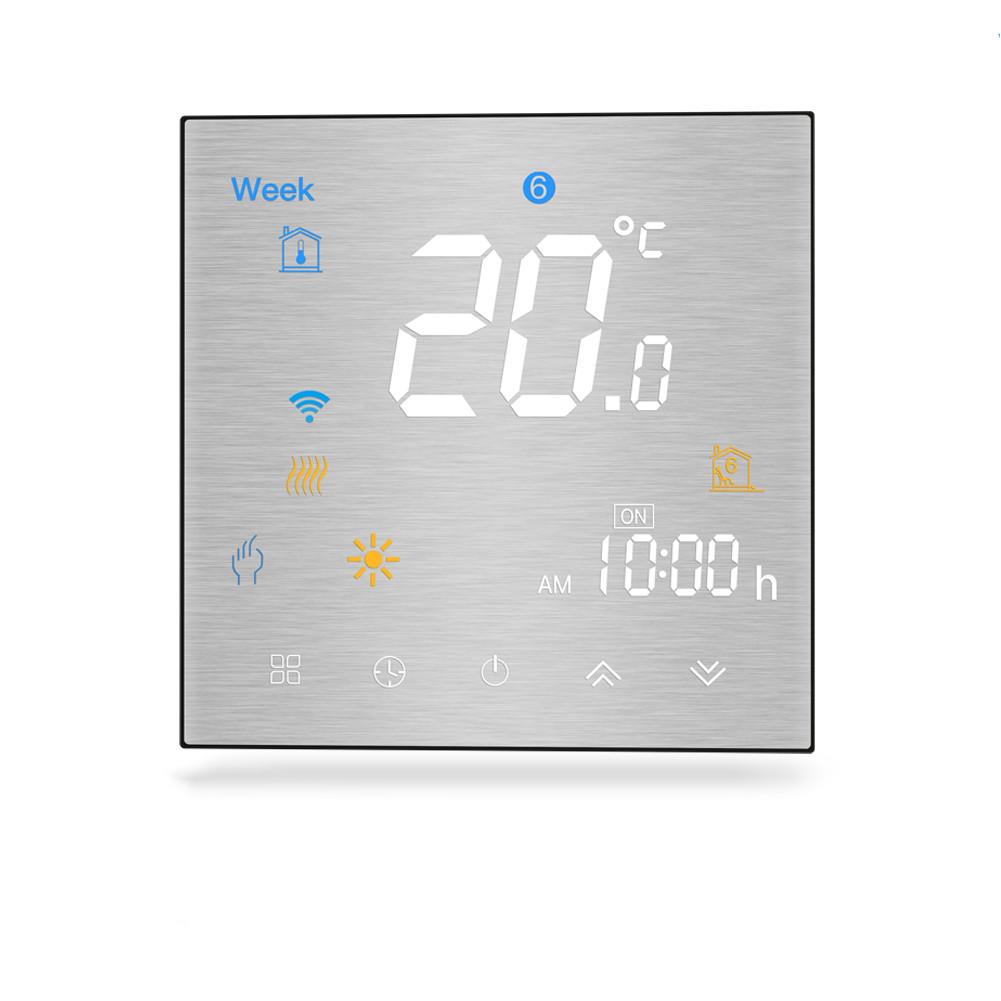
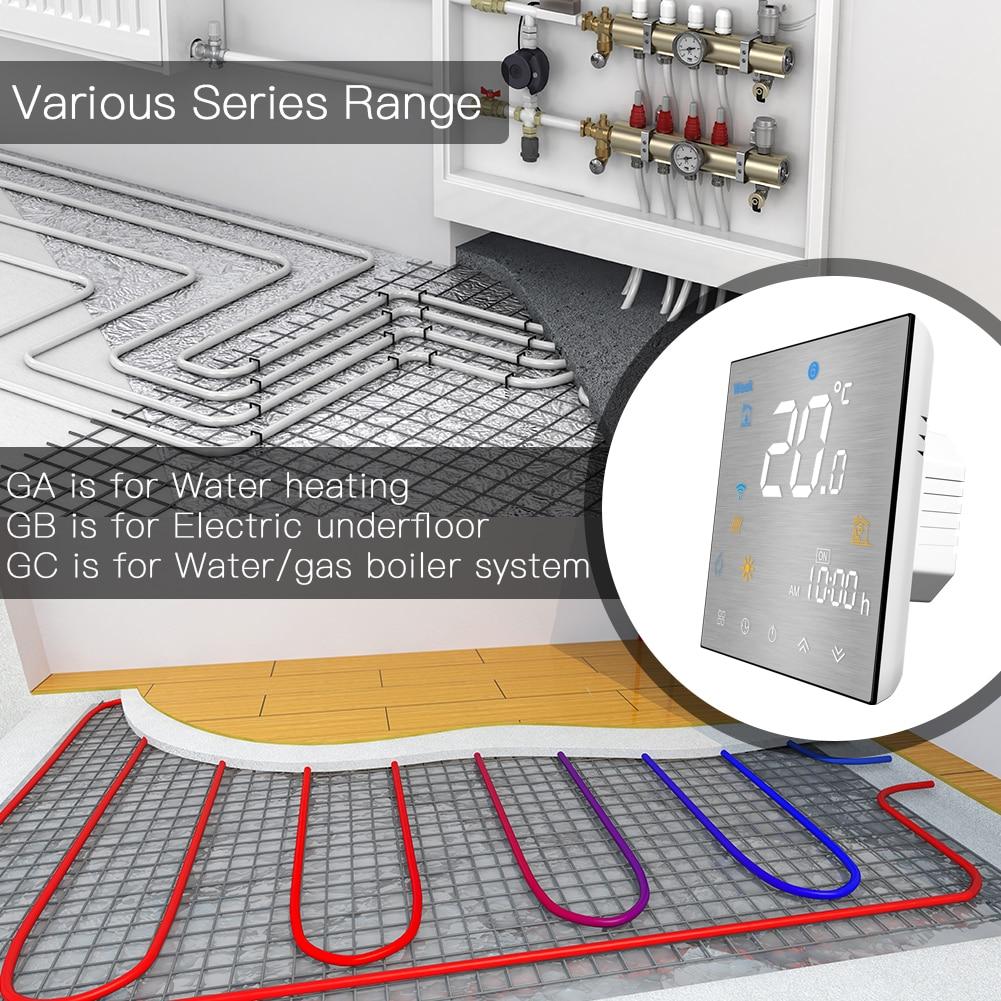
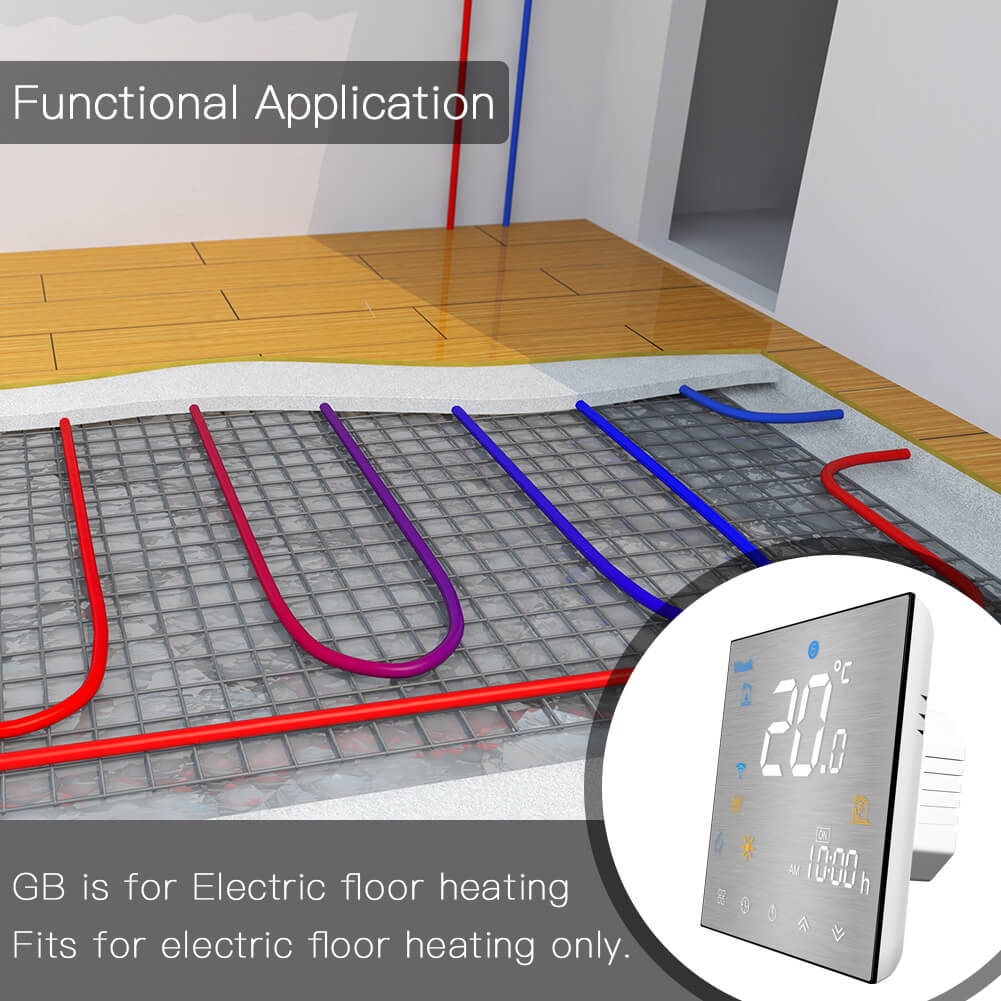
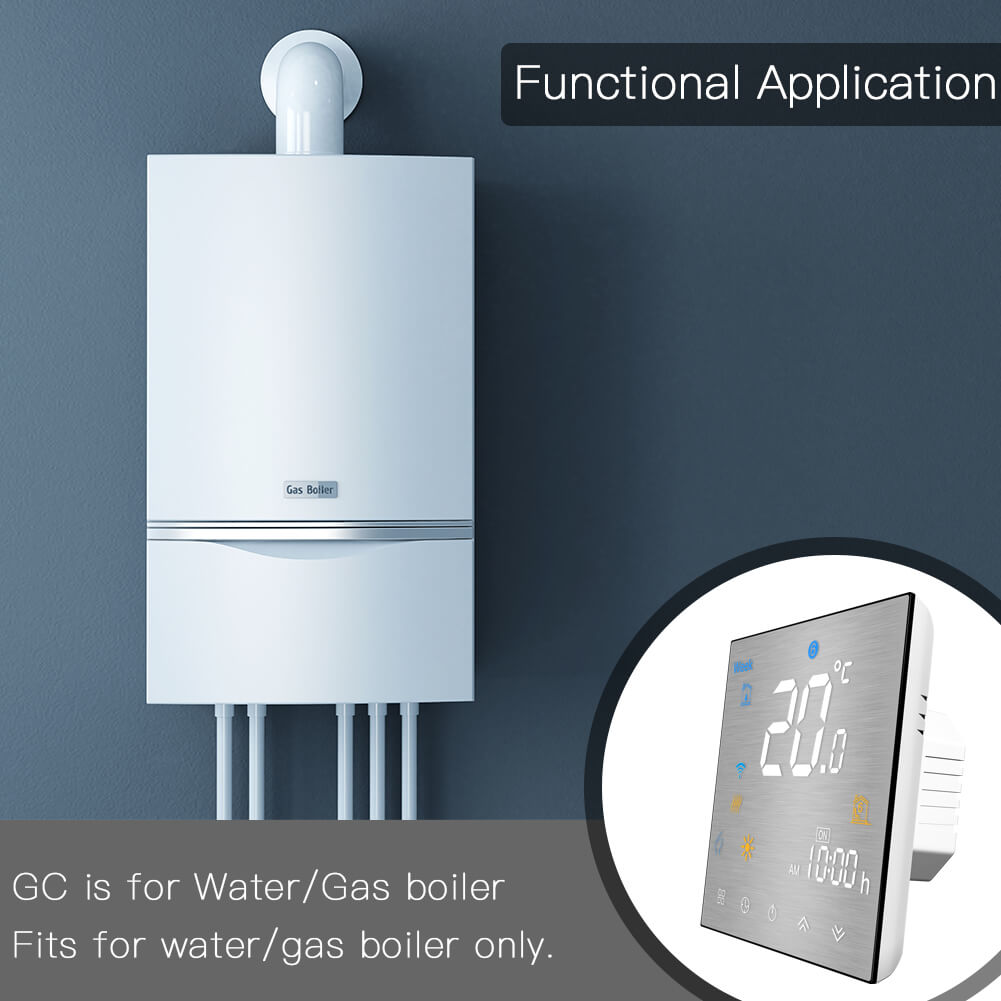
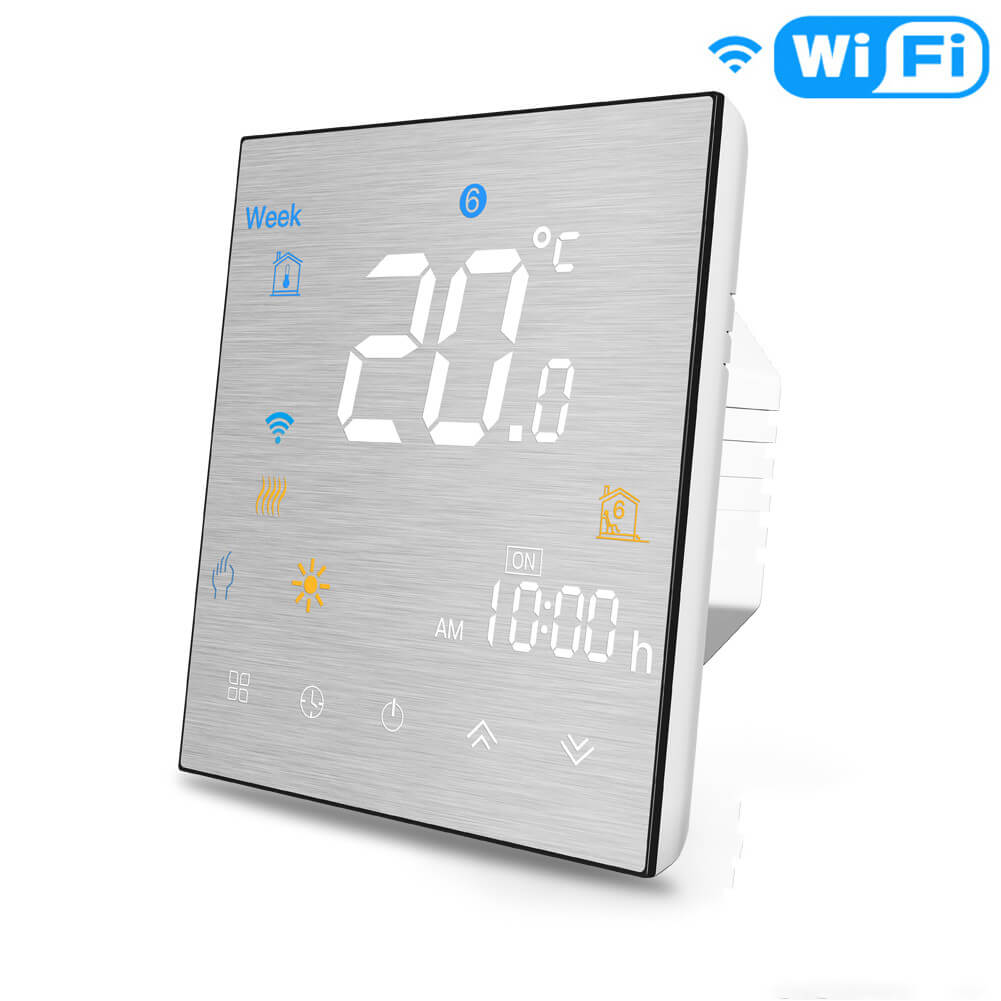
Smart thermostats have special features to make life easier. The LumiMuse WiFi Smart Thermostat WHT-300 is a good example. It works with many heating systems. These include water floor heating, electric floor heating, water boilers, and gas boilers. You get wi-fi so you can control it with your phone.
Here are some cool features you might like:
-
Control it from your phone with an app
-
Use Alexa or Google Home to give voice commands
-
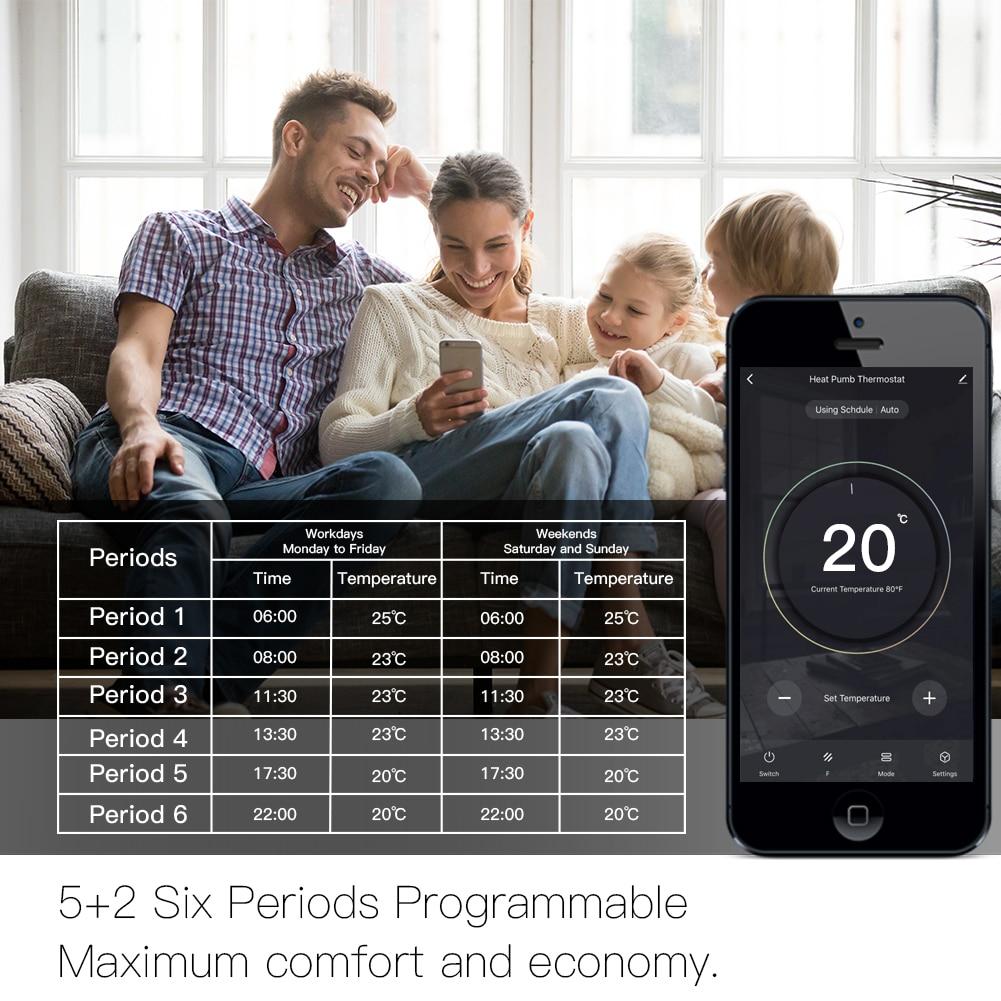
Set schedules for weekdays and weekends
-
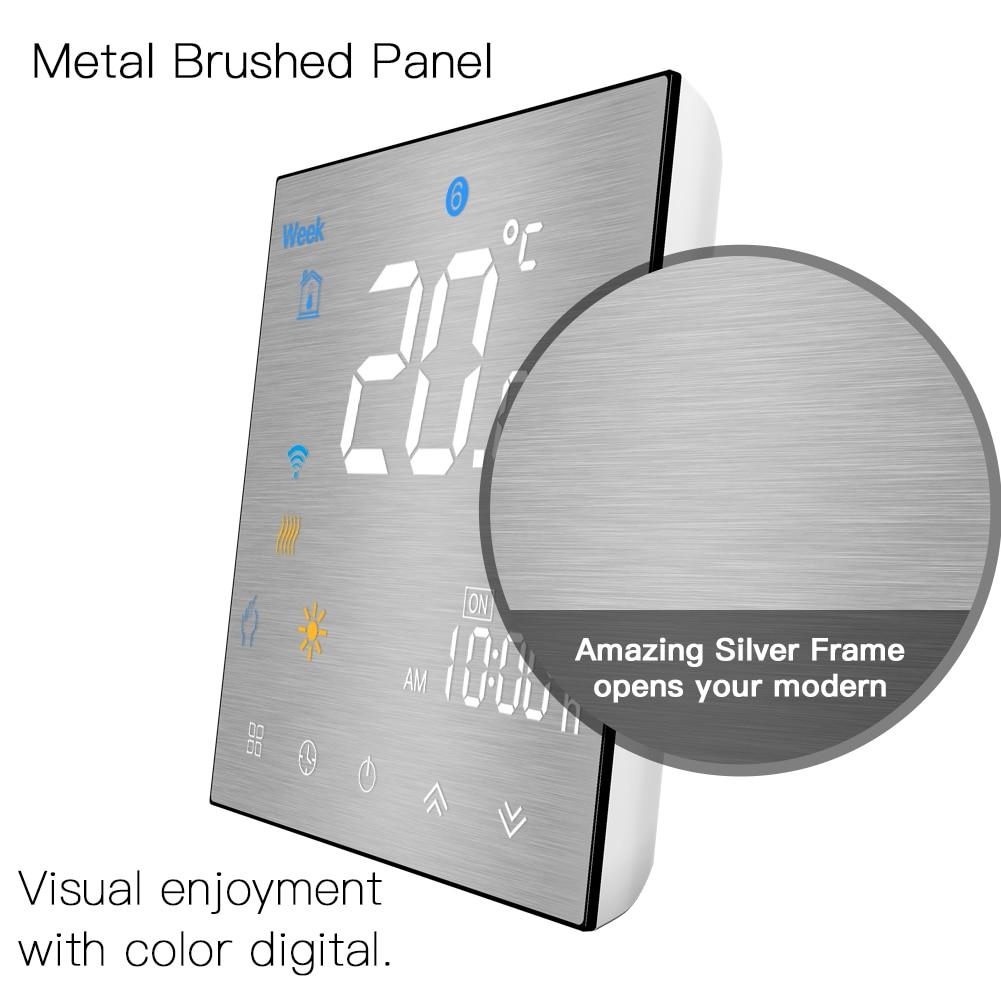
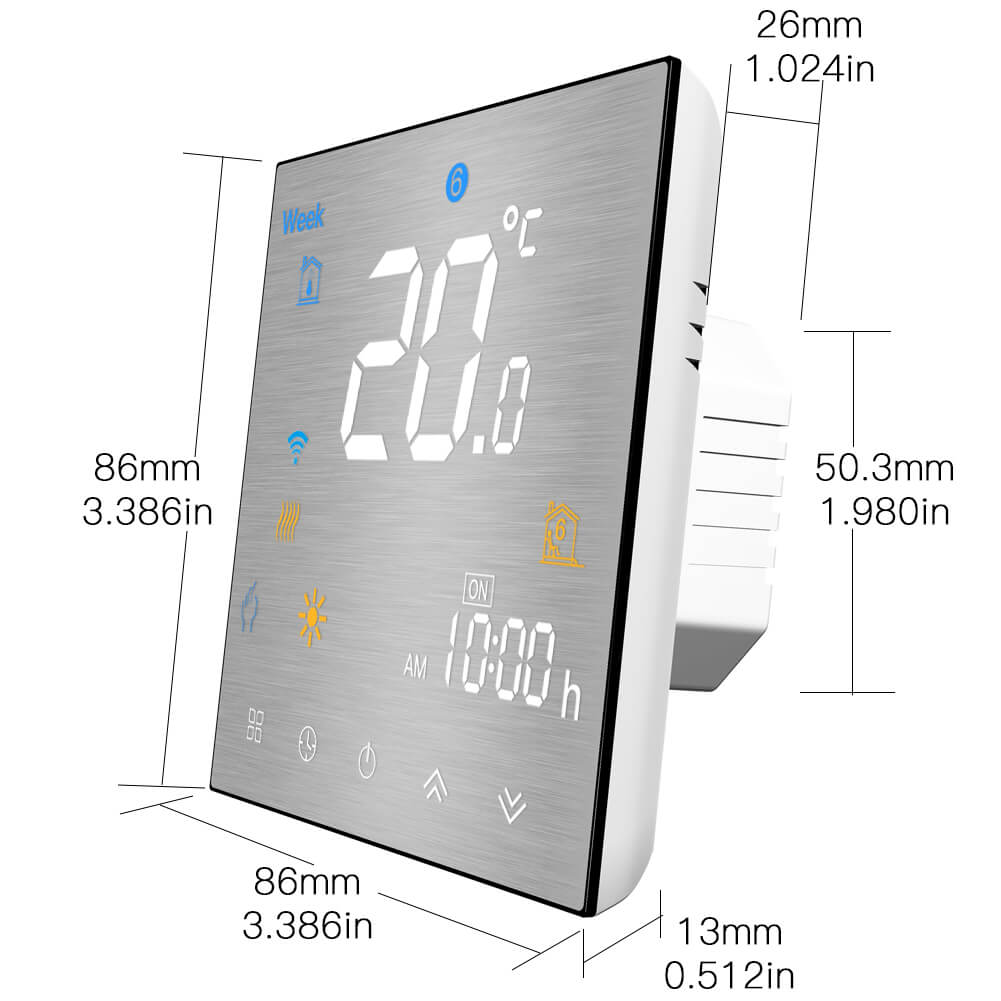
Has a metal design that looks nice in any room
-
Screen lock keeps kids or guests from changing settings
-
You do not need a c-wire to install it
Other smart thermostats like Nest and Ecobee have more features. They can learn your habits and give energy reports. They also have smart sensors for rooms. The LumiMuse WHT-300 is easy to set up and saves energy. It is simple to use. You can save money and still be comfortable. Smart thermostats help you make your home smarter and more modern.
What Is a Traditional Thermostat
Types of Traditional Thermostats
A traditional thermostat is a simple device on your wall. It helps you control the temperature in your home. There are two main types. One is non-programmable. The other is programmable. Each type works in its own way. Each has its own good points.
Here’s a table to show the difference:
|
Type |
Description |
|---|---|
|
Non-programmable |
You change the temperature by hand when you want. |
|
Programmable |
You set a schedule so it changes the temperature for you. |
Non-programmable thermostats are very basic. You turn a dial or press buttons to set the temperature. Programmable thermostats let you plan ahead. You can set the heat to go down at night. You can set it to warm up before you wake up. This helps you save energy without having to remember every day.
How Traditional Thermostats Work
Traditional thermostats use simple parts to keep your home comfy. Some have a bimetallic strip that bends when it gets hot or cold. When it bends enough, it turns your heater or cooler on or off. Some use electronic sensors for better control.
You might see these kinds in homes:
-
Mechanical thermostats use bimetallic strips or mercury switches. They are easy to use but not very exact.
-
Digital non-programmable thermostats have sensors and a digital screen. They are more accurate, but you still set the temperature by hand.
-
Programmable thermostats let you pick different temperatures for different times. You can save energy by lowering the heat when you are gone.
Tip: If you want something easy and steady, a traditional thermostat is a good pick. You do not need Wi-Fi or an app. Just set it and forget it.
Traditional thermostats have been used for many years. They are simple to put in and use. You get steady comfort without extra features. If you like things easy, these thermostats may be best for you.
Smart vs Traditional Thermostats
Control and Convenience
When you want to control your home's temperature, you need something that fits your life. Smart thermostats let you change the temperature in many ways. You can use your phone, tablet, or voice. The LumiMuse WHT-300 lets you do this from anywhere. You can be at home or far away. You can set times for heating or cooling. You can lock the screen to keep it safe. You can connect it to your smart home system.
Traditional thermostats are easy to use. You walk up to the wall and turn a dial or press a button. Some let you set a simple schedule. But you must be there to make changes. These thermostats have simple designs. They are made to be easy for anyone.
Here is how people feel about both types:
|
Aspect |
WiFi Smart Thermostats |
Traditional Thermostats |
|---|---|---|
|
Usability Challenges |
More complex |
Very simple |
|
User-Friendly Interfaces |
Can be harder to use |
Easy to use |
|
Energy Efficiency |
Better with smart use |
Not as good |
|
Security Concerns |
Needs internet safety |
No internet risks |
|
Adoption Rate |
More people are trying them |
Used for a long time |
Tip: If you want to change your home's temperature from anywhere or use your voice, a smart thermostat like the LumiMuse WHT-300 is a good pick. If you like simple controls, a traditional thermostat may be better for you.
Energy Savings and Efficiency
Smart thermostats help you save money by making your heating and cooling smarter. Many people save about 8% on their energy bills each year. That is about $50. Some brands, like Honeywell, say users save up to 22% on heating and 17% on cooling. Smart thermostats learn your habits. They change the temperature for you. This means you do not waste energy when you are gone.
Studies show these savings:
-
Homes with smart thermostats save about 8% on bills.
-
Some people save up to 22% on heating and 17% on cooling.
-
Smart thermostats learn your schedule and make changes for you.
Check this table for more details:
|
Source |
Heating Savings |
Cooling Savings |
|---|---|---|
|
Nest Labs |
10-12% |
15% |
|
Ecobee |
23% |
N/A |
Traditional thermostats do not have smart features. You must remember to change the settings yourself. If you forget, you might use more energy than needed. Programmable models help a little. But they do not learn your habits or change settings on their own.
Cost and Value
Smart thermostats cost more at first. But they can save you money over time. You get more value if you use all the smart features.
Here is a side-by-side look:
|
Feature |
Smart Thermostats |
Traditional Thermostats |
|---|---|---|
|
Upfront Cost |
Higher (about $300) |
Lower (varies) |
|
Annual Energy Savings |
10-15% ($120-$200) |
Lower, depends on use |
|
HVAC Efficiency Improvement |
Learns your patterns |
Limited |
|
System Lifespan Extension |
Reduces wear and tear |
No |
Smart thermostats can save you about 8-15% on energy costs each year. Many people see their money come back in two years. Smart thermostats show you how you use energy. You can find more ways to save.
Traditional thermostats cost less at first. They do not save as much money over time. But they are good if you want something basic and steady.
Installation and Compatibility
Smart thermostats can be harder to install than traditional ones. Some need a special wire called a c-wire. Older homes may not have this wire. The LumiMuse WHT-300 does not need a c-wire. This makes it easier for most people. You get everything you need in the box. You can follow a simple guide.
Here are some common problems with smart thermostat installation:
-
Not all work with every heating or cooling system.
-
Many need a c-wire, but not all homes have one.
-
Where you put it matters for good control.
-
You need Wi-Fi for all the features.
-
Software setup is needed for smart home use.
-
Sometimes you need to fix settings after installing.
Traditional thermostats are easier to put in. They work with most systems, even old ones. You do not need Wi-Fi or special wires. If you want a quick setup, a traditional thermostat is a good choice.
Here is a quick list to help you choose:
-
Smart thermostats often need special wires and Wi-Fi.
-
Traditional thermostats work with more systems, especially old ones.
-
Sometimes you need a pro to install smart thermostats.
-
The LumiMuse WHT-300 is easier because it does not need a c-wire and has a simple design.
Note: Always check your heating and cooling system before buying a new thermostat. This helps you avoid problems when you install it.
Smart thermostats give you better control, save energy, and work with smart homes. Traditional thermostats keep things simple and steady. Think about what you want most—easy use, saving money, or simple controls—when you choose.
Pros and Cons of Smart Thermostats
Advantages of Smart Thermostats
Smart thermostats bring a lot of benefits to your home. You get more control, save money, and enjoy extra comfort. If you want to see what people like most, check out this table:
|
Advantage |
Description |
|---|---|
|
Energy Savings |
You can save 8 to 16% on heating and cooling bills with smart scheduling features. |
|
Ease of Use |
The interface is simple, and setup is quick. Many users say it’s easy to get started. |
|
Remote Control Capabilities |
You can adjust settings from anywhere. Some models use motion sensors or your phone’s location. |
|
Customizable Settings |
You can change the display and set heating or cooling schedules to fit your routine. |
You don’t have to stand by the wall to change the temperature. You can use your phone, tablet, or even your voice. If you travel or work late, you can still keep your home comfortable. Smart thermostats like the LumiMuse WHT-300 let you set different schedules for weekdays and weekends. You can lock the screen so kids or guests don’t mess with your settings.
Tip: If you want to save money and make life easier, a smart thermostat can help you do both.
Drawbacks of Smart Thermostats
Smart thermostats have some downsides you should know about before you buy one. Here are the most common complaints from users:
-
High Upfront Costs: You pay more at first. Prices can go from $100 to $300 or more.
-
Compatibility Issues: Some older heating and cooling systems may not work with smart thermostats.
-
Learning Curve: You might need time to learn all the features and settings.
-
Privacy and Security Risks: Connecting to the internet means your data could be at risk.
-
Dependence on Wi-Fi: If your internet goes down, you lose remote access and some smart features.
You may need to check if your system works with a smart thermostat. You might spend time learning how to use all the options. If you care about privacy, think about how your data is used. If your Wi-Fi isn’t reliable, you could lose some control.
Note: Always check your home’s compatibility and think about your comfort with technology before choosing a smart thermostat.
Pros and Cons of Traditional Thermostats
Advantages of Traditional Thermostats
A traditional thermostat is very simple to use. You do not need an app or Wi-Fi. You just walk up and turn a dial or press a button. Many people like this easy way. It works every time you need it. You feel calm because it is reliable.
Here is a table that shows why people pick a traditional thermostat:
|
Advantage |
Description |
|---|---|
|
Simplicity |
It is easy to use. You do not need Wi-Fi or an app. |
|
Lower Initial Cost |
You pay less money at first. This helps if you have a small budget. |
|
No Wi-Fi Dependency |
It works even if your internet stops. |
|
It has fewer parts, so it breaks less. You get steady comfort. |
The buttons and dials are easy to understand. You do not need to learn new things. It works by itself, so you do not worry about losing control if Wi-Fi goes out. If you want something you can trust, this is a good choice.
Drawbacks of Traditional Thermostats
Traditional thermostats have some problems. You may not keep your home as comfy as you want. Here are some things people do not like:
-
The design is simple, so it does not change for your needs.
-
You must remember to change the temperature. If you forget, you might waste energy.
-
Most models do not let you set detailed schedules.
-
Sometimes, the temperature is not very exact. You may need to fix it often.
If you want more control or want to save energy, a traditional thermostat may not be enough. You do not get instant feedback or smart features. You have to do more work to keep your home comfy. But if you like things easy and steady, a traditional thermostat can still be a good choice.
Choosing the Right Thermostat
Matching to Your Lifestyle
You want a thermostat that fits your daily routine. Think about how you spend your time at home. Do you travel often? Do you work from home? Maybe your schedule changes a lot. Smart thermostats, like the LumiMuse WHT-300, make life easier for people with busy or unpredictable days.
-
You can control the temperature from your phone, even if you’re not home.
-
If you travel, you can check and adjust your heating or cooling from anywhere.
-
Smart thermostats can learn your habits and change the temperature for you.
-
Some models use your phone’s location to know when you’re coming home.
-
If you own a vacation home, you can keep an eye on things and prevent problems like frozen pipes.
Traditional thermostats work well if you have a steady routine. You set the temperature by hand. If you like things simple and don’t want to use an app, a traditional model might be best for you.
Here’s a quick look at how each type matches different lifestyles:
|
Lifestyle |
Best Thermostat Type |
Why It Fits You |
|---|---|---|
|
Frequent traveler |
Smart (WiFi) |
Remote control and alerts |
|
Remote worker |
Smart or Programmable |
Custom schedules for comfort during work hours |
|
Fixed daily routine |
Programmable or Traditional |
Simple, set-and-forget scheduling |
|
Inconsistent schedule |
Smart (Learning/Geofencing) |
Adjusts automatically to your habits |
|
Vacation property owner |
Smart (WiFi) |
Monitor and control from anywhere |
Tip: If you want your home to feel just right when you walk in, a smart thermostat can help you get there.
Budget and Savings
Your budget matters when you pick a thermostat. Smart thermostats usually cost more at first, but they can help you save money over time. Traditional thermostats cost less to buy and install.
Here’s a table to show the typical price range:
|
Thermostat Type |
Installation Cost Range |
|---|---|
|
Standard Digital Thermostats |
$100 - $250 |
|
Smart Thermostats |
$300 - $600 |
|
Learning Thermostats |
Up to $700 |
Smart thermostats can help you save between 8% and 22% on heating and up to 23% on cooling. These savings add up, especially if you use your heating or cooling a lot. Over time, you might find that the extra cost pays for itself. This is what people call long-term savings. If you want to see your energy use, some smart thermostats give you reports and tips to save even more.
Traditional thermostats are a good choice if you want to spend less now. They don’t have as many features, but they get the job done. If you don’t need remote control or energy reports, you can stick with a basic model.
Note: Think about how much you use your heating and cooling. If you use them a lot, a smart thermostat could help you save more money in the long run.
Home Compatibility
Before you buy a new thermostat, check if it works with your heating and cooling system. Not every thermostat fits every home. Smart thermostats like the LumiMuse WHT-300 work with many systems, but you should always check the details.
Here’s a table to help you see the main differences:
|
Issue Type |
Smart Thermostats |
Traditional Thermostats |
|---|---|---|
|
HVAC System Compatibility |
Works with many systems; check the specs |
Works with most older systems |
|
Installation Complexity |
May need a C-wire; some models don’t need one |
Usually simple to install |
If you have a low-voltage (24V) system, you can use most smart thermostats. The LumiMuse WHT-300 does not need a C-wire, so it’s easier to install in many homes. It also supports different types of heating and cooling, like floor heating, boilers, and heat pumps. If you have an older system, a traditional thermostat might be the easiest choice.
Tip: Always look at your current thermostat’s wiring and your HVAC system’s manual before you buy. This helps you avoid surprises during installation.
When you choose a thermostat, think about your lifestyle, your budget, and your home’s setup. If you want more control, energy savings, and long-term savings, a smart thermostat like the LumiMuse WHT-300 is a great pick. If you want something simple and steady, a traditional thermostat will keep you comfortable.
You will like a smart thermostat if you want to change the temperature from far away. It also helps you save energy and feel more comfortable. A traditional thermostat is good if you want easy buttons and to spend less money at first. Before you pick one, look at your HVAC system to make sure it works. You should also think about how much you want to spend. Here is a table that shows what things cost:
|
Component |
Price Range |
Details |
|---|---|---|
|
Smart Thermostat Device |
$100 – $300 |
Features like voice control and sensors |
|
Professional Installation |
$100 – $250+ |
Depends on wiring and system type |
If you want something with lots of features that is simple to use, the LumiMuse WHT-300 is a great choice. It helps your home use less energy and saves you money every year. 😊
FAQ
How do I know if a smart thermostat will work in my home?
Check your heating or cooling system’s manual. Most smart thermostats, like the LumiMuse WHT-300, work with many systems. You can also look at your current thermostat’s wiring or ask a pro for help.
Can I install a smart thermostat myself?
Yes, you can! Many smart thermostats come with step-by-step guides. The LumiMuse WHT-300 does not need a c-wire, so installation is easier for most people. If you feel unsure, you can call a professional.
Will a smart thermostat really save me money?
You can save money with a smart thermostat. Many users see 8–15% savings on energy bills each year. Smart features help you use less energy when you’re not home.
Tip: Set schedules and use remote control to boost your savings!
What happens if my Wi-Fi goes out?
Your smart thermostat will still control your heating or cooling. You just won’t be able to use the app or voice commands until your Wi-Fi comes back.
Is a traditional thermostat better for older homes?
Yes, traditional thermostats work well in older homes. They do not need Wi-Fi or special wiring. If you want something simple and reliable, a traditional thermostat is a solid choice.