
1. Introduction
For any electrician or seasoned DIYer, the "callback" is the ultimate enemy. You install a flawless outdoor lighting circuit, only to be called back three days later because the breaker trips every time it rains.
The culprit is often a misunderstanding of how modern circuit protection interacts with outdoor environments. While the National Electrical Code (NEC) cycles update every three years, the physics of protection remains constant.
Quick Answer: GFCI (Ground Fault Circuit Interrupter) protects people from electrical shock by detecting current leakage (ground faults) as low as 4-6mA. It is mandatory for all outdoor receptacles. AFCI (Arc Fault Circuit Interrupter) protects structures from fire by detecting arcing signatures in wiring. While AFCI is critical for indoor living spaces, the NEC generally does not require AFCI protection specifically for outdoor outlets unless they are fed from a circuit that also supplies an indoor habitable room. Understanding GFCI vs AFCI outlets is crucial for code compliance.
This guide clarifies the technical differences, the specific NEC 2023/2026 mandates for outdoor wiring, and how to integrate smart control without compromising safety.
2. The Technical Core: How Detection Mechanisms Differ
To stop nuisance tripping, you must understand what the device is actually "seeing" on the line.
📺 Related Video: GFCI vs AFCI technical difference explained
The Physics of GFCI (Class A)
A GFCI device functions as a differential transformer. It monitors the current flowing out on the hot conductor and returning on the neutral.
- The Math: If Ihot - Ineutral > 5mA (approx), the device assumes current is leaking to an unintended path (like a human body or water) and trips within 1/40th of a second.
- Outdoor Vulnerability: High humidity or water ingress in a junction box can create a "leakage" path across terminals, causing a valid but frustrating GFCI trip.
The Physics of AFCI
AFCI protection is digital. It uses a microprocessor to analyze the waveform of the electricity.
- The Signature: It looks for parallel arcing (line-to-neutral/ground) and series arcing (loose connection on a single wire). These manifest as specific "sawtooth" anomalies in the sine wave.
- The "Outdoor" Variable: Outdoor motors (pumps, trimmers) and corroded connections can mimic these arcing signatures. Unlike GFCIs, which are robust if enclosed properly, AFCIs can be hypersensitive to the "noise" generated by long outdoor cable runs and variable weather conditions.
Comparison: GFCI vs. AFCI Technical Specs
| Feature | GFCI (Ground Fault Circuit Interrupter) | AFCI (Arc Fault Circuit Interrupter) |
|---|---|---|
| Primary Target | Human Life (Shock Prevention) | Property (Fire Prevention) |
| Detection Method | Differential Current Monitoring | Digital Waveform Analysis |
| Trip Threshold | 4mA – 6mA leakage | Specific Arcing Signature |
| NEC Outdoor Rule | Mandatory (NEC 210.8) | Incidental (If circuit originates indoors) |
| Outdoor Risk | Moisture ingress causing leakage | Motor noise/corrosion mimicking arcs |
3. NEC Code Requirements: The Outdoor Rules

Understanding the code helps you avoid over-installing sensitive equipment where it isn't required.
The GFCI Mandate (NEC 210.8)
The NEC is unequivocal here. NEC 210.8(F) mandates that all outdoor outlets (receptacles) supplied by single-phase branch circuits rated 150V or less to ground, and 50A or less, must have GFCI protection.
- Scope: This applies to Dwelling Units and Non-Dwelling Units.
- Hardwired Equipment: Recent code cycles (NEC 2020/2023) expanded this to include some hardwired outdoor equipment (like AC units), though specific exceptions exist for HVAC until 2026 due to compatibility issues with DC-inverter drives.
The AFCI Nuance (NEC 210.12)
NEC 210.12 requires AFCI protection for dwelling unit kitchens, family rooms, dining rooms, living rooms, bedrooms, etc.
- The Outdoor Exception: There is no specific line item in the NEC that says "Outdoor outlets must be AFCI protected."
-
The "Pass-Through" Trap: If you tap your outdoor receptacle off a bedroom circuit to save wire, that outdoor outlet must be AFCI protected because the upstream breaker protecting the bedroom is an AFCI.
- Pro Tip: To avoid nuisance AFCI trips outdoors, experienced electricians often run a dedicated outdoor circuit from the panel. This allows you to use a standard breaker (or GFCI breaker) without the AFCI requirement, provided the circuit does not serve any indoor habitable rooms.
4. Hardware Selection: Receptacles, Breakers, and Smart Control
Once you have the circuit design, you need the right hardware to survive the elements.
The "WR" Requirement
Regardless of the protection type, the receptacle device face itself must be marked "WR" (Weather Resistant). These devices are built with UV-stabilized plastic and corrosion-resistant nickel-plated contacts to withstand temperature swings and moisture.
Dual-Function (DFCI) Breakers
These breakers combine GFCI and AFCI protection in one unit.
- The Controversy: While efficient for indoor wiring (e.g., a kitchen remodel), using a DFCI on a dedicated outdoor circuit is often considered "over-protection" that leads to callbacks. The AFCI component may trip due to moisture tracking that mimics an arc, killing power to the entire circuit.
Integrating Smart Control Safely
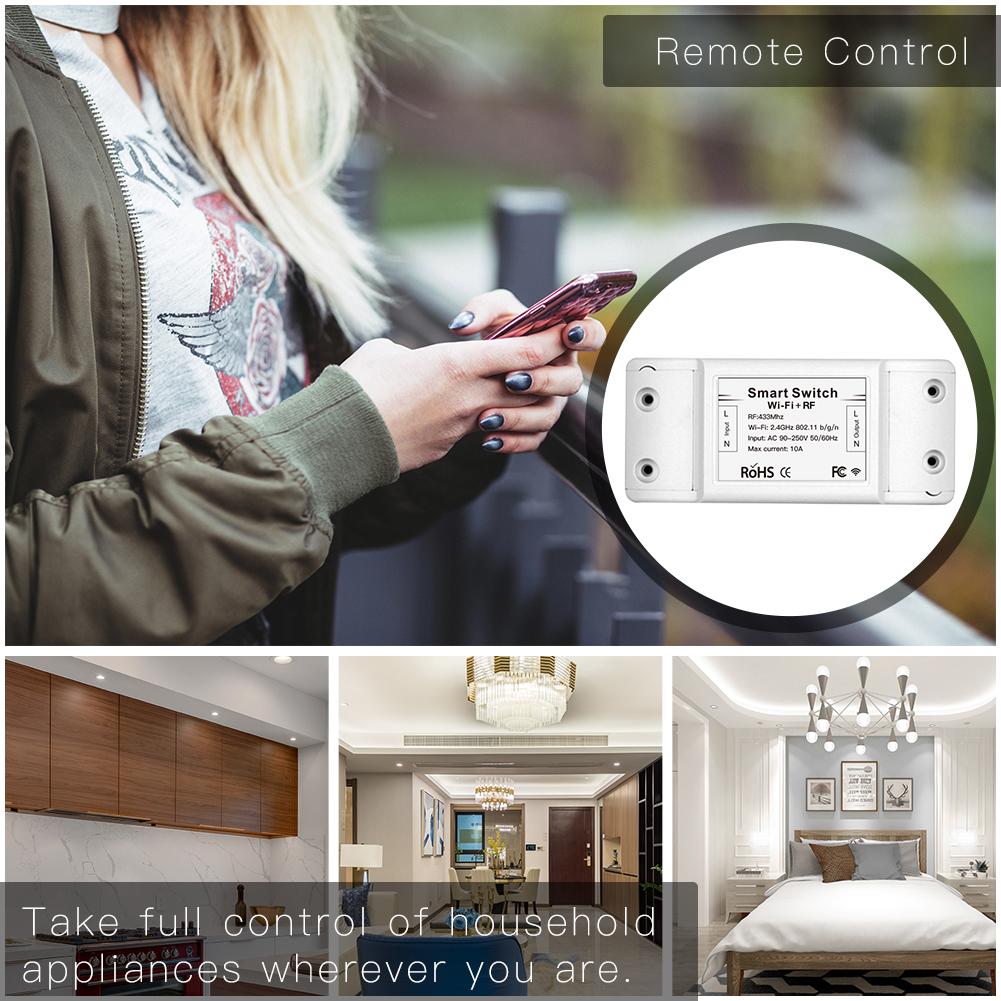
Homeowners increasingly want voice control for outdoor landscape lighting or patio heaters. However, smart breakers are expensive and often bulky.
A cost-effective solution is installing a smart relay module downstream of the protection.

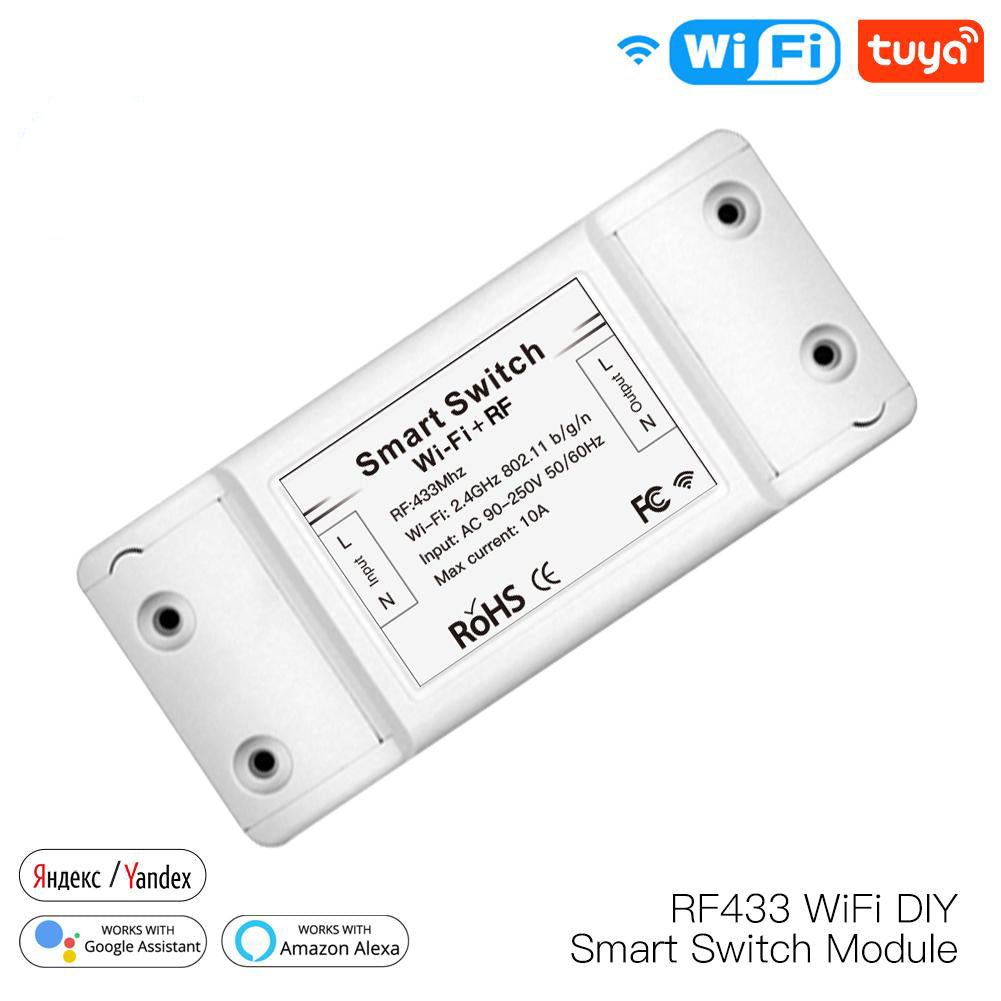
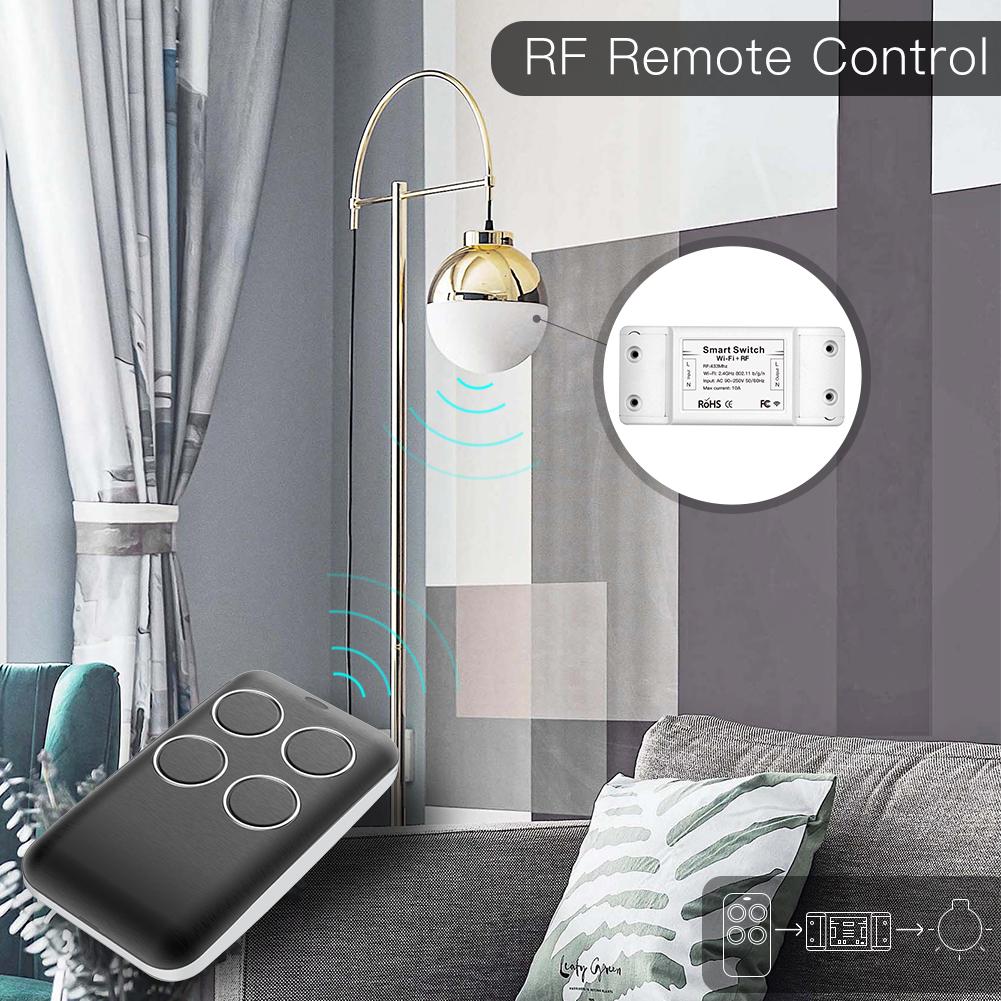
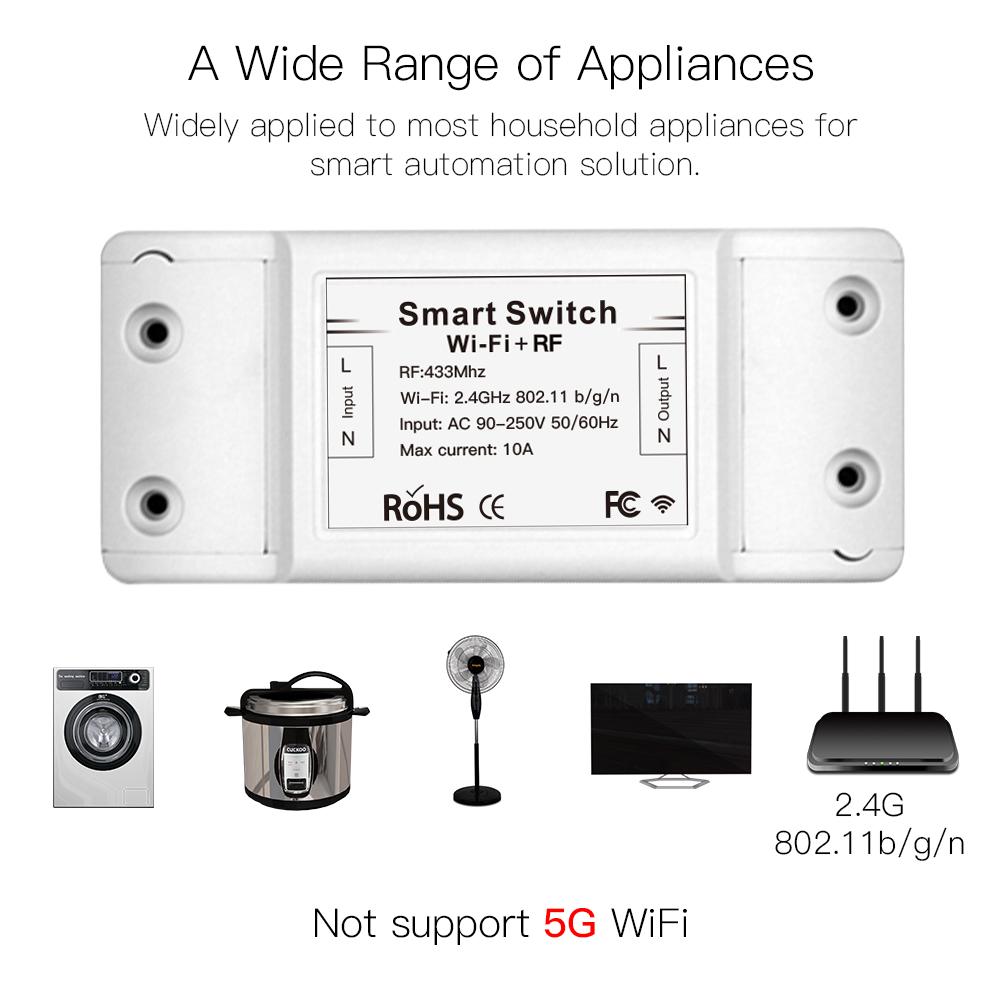
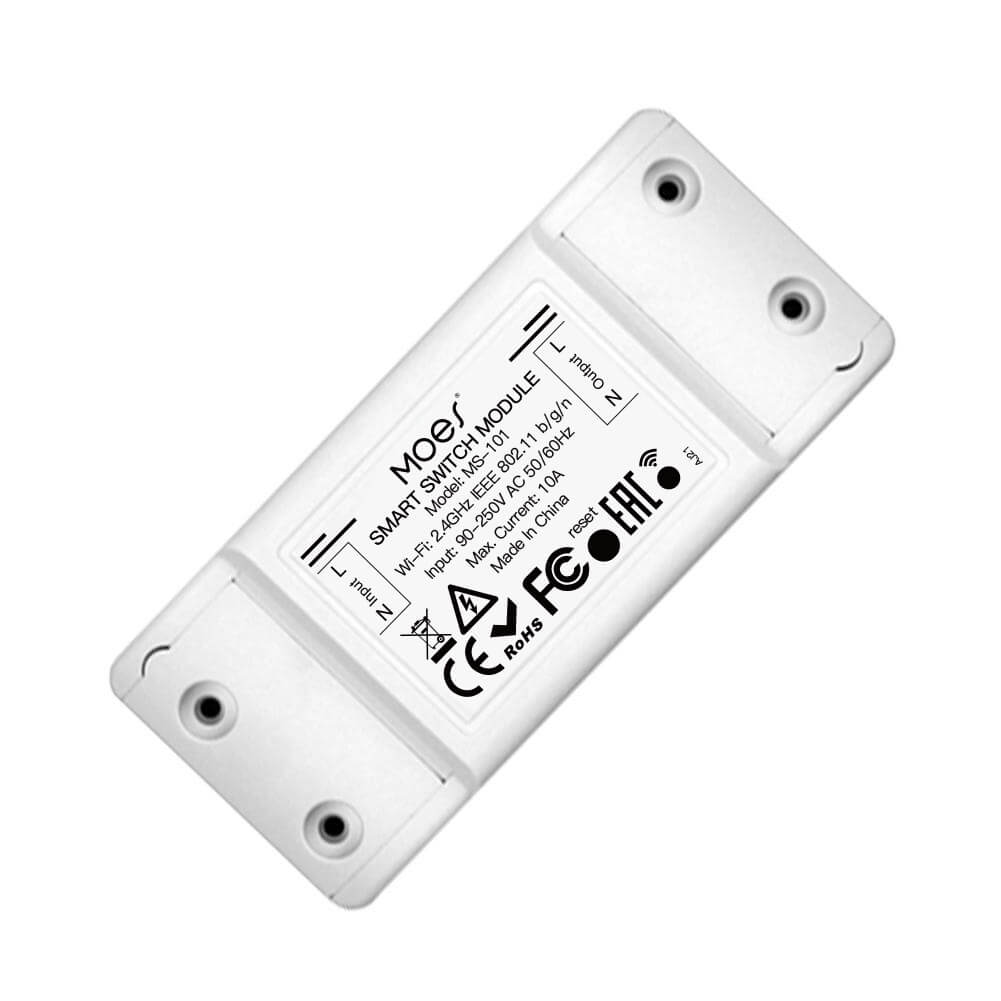
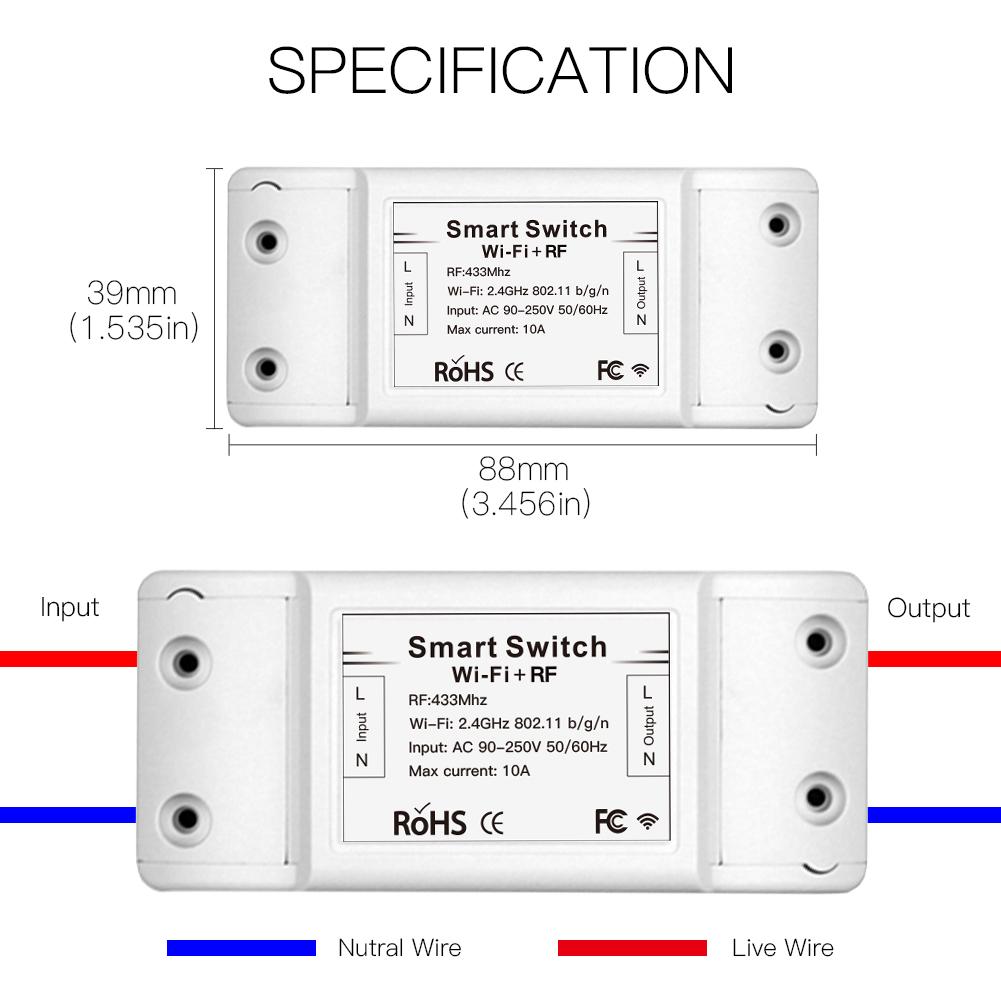
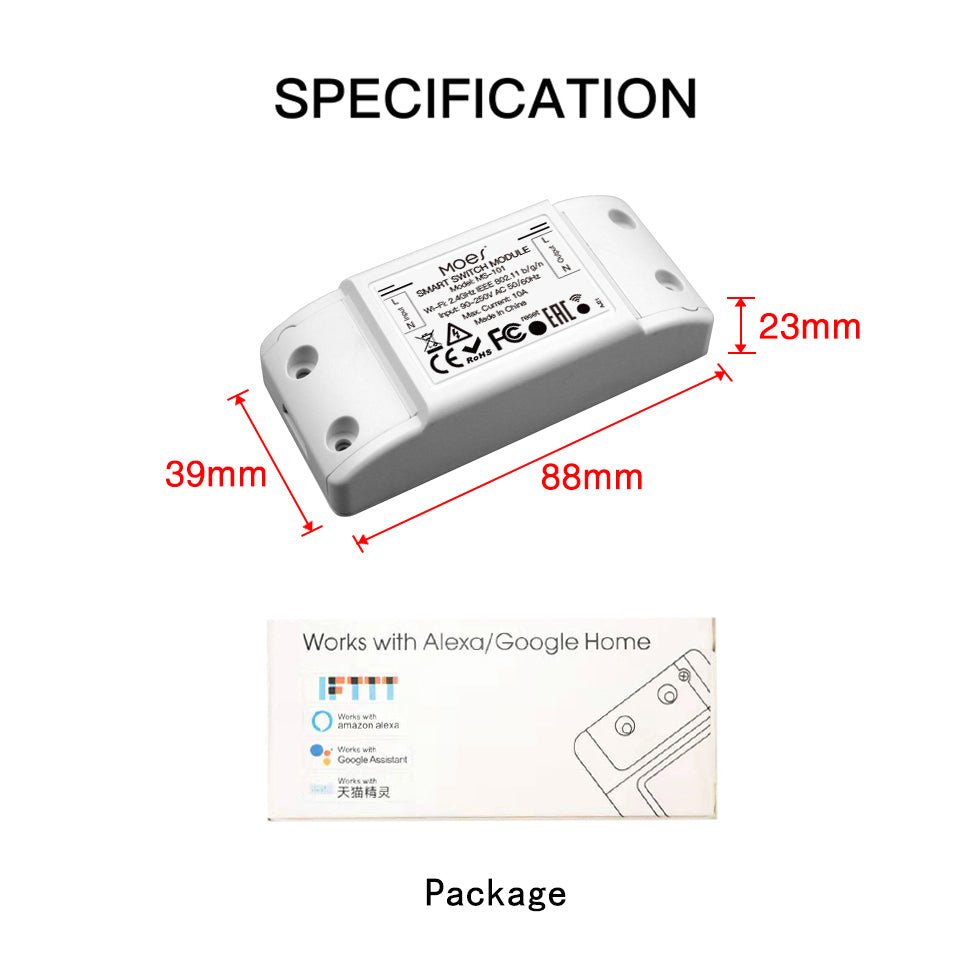
- Entity Integration: The WiFi RF DIY Smart Light Switch Module acts as a bridge. It installs inside the weather-rated enclosure (behind the switch or outlet).
- Benefit: It provides Voice Control (Alexa/Google) and Timing Functions without replacing the safety breaker. Since it is a control device, it does not interfere with the upstream GFCI protection, provided it is wired correctly on the load side.
Outdoor Protection Decision Tree
-
Scenario A: Extension of Indoor Circuit (e.g., Bedroom)
- Install: AFCI/GFCI Dual-Function Breaker (Required by Code).
- Risk: High risk of nuisance tripping.
-
Scenario B: Dedicated Outdoor Circuit
- Install: Standard Circuit Breaker + WR GFCI Receptacle (at the first outlet).
- Benefit: Compliant with NEC 210.8; avoids unnecessary AFCI sensitivity.
-
Scenario C: Smart Outdoor Control
- Install: Dedicated Circuit > GFCI Device > Smart Switch Module > Load (Lights/Pump).
5. Troubleshooting Outdoor Nuisance Tripping

If the breaker trips immediately or intermittently, use this logic to diagnose the Entity causing the fault.
1. Is it a Ground Fault or an Arc Fault?
If you are using a Dual-Function breaker, most modern units have an LED code to tell you why it tripped.
- Ground Fault Trip: Indicates moisture. Check for water in the "Extra-Duty" in-use cover or condensation inside the LB conduit body.
- Arc Fault Trip: Indicates loose wiring or "noise." Check wire nuts for tightness.
2. The "Leakage Current" Factor
Cumulative leakage can trick a GFCI.
- Long Runs: Underground cable (UF-B) has natural capacitance. A 100ft run combined with moisture can generate 2-3mA of leakage standing still. Add a worn tool, and you cross the 5mA threshold.
- Old Transformers: Landscape lighting transformers with degrading insulation often bleed small amounts of current to ground.
3. Ghost Trips
If an AFCI trips when a specific device turns on (like a cheap LED floodlight driver), it is likely Radio Frequency Interference (RFI). The AFCI interprets the driver's electronic noise as a dangerous arc.
- Solution: Replace the fixture with a higher-quality driver or move the circuit to a dedicated non-AFCI line (if code permits).
6. Conclusion
Electrical safety is a hierarchy. GFCI is for life safety—it is non-negotiable for any outdoor installation. AFCI is for fire safety—vital for indoor wiring but often a source of frustration when applied to the variable environment of the outdoors.
For a robust, code-compliant outdoor system:
- Isolate outdoor power on a dedicated circuit whenever possible.
- Use WR-rated GFCI receptacles with "Extra-Duty" bubble covers.
- Integrate smart automation using a universal module like the WiFi RF DIY Smart Switch, placing it securely inside the enclosure to add modern convenience without compromising the safety layer.
Ensure your outdoor installations are 2026 NEC compliant. Always verify with your local AHJ (Authority Having Jurisdiction) before finalizing your circuit design.