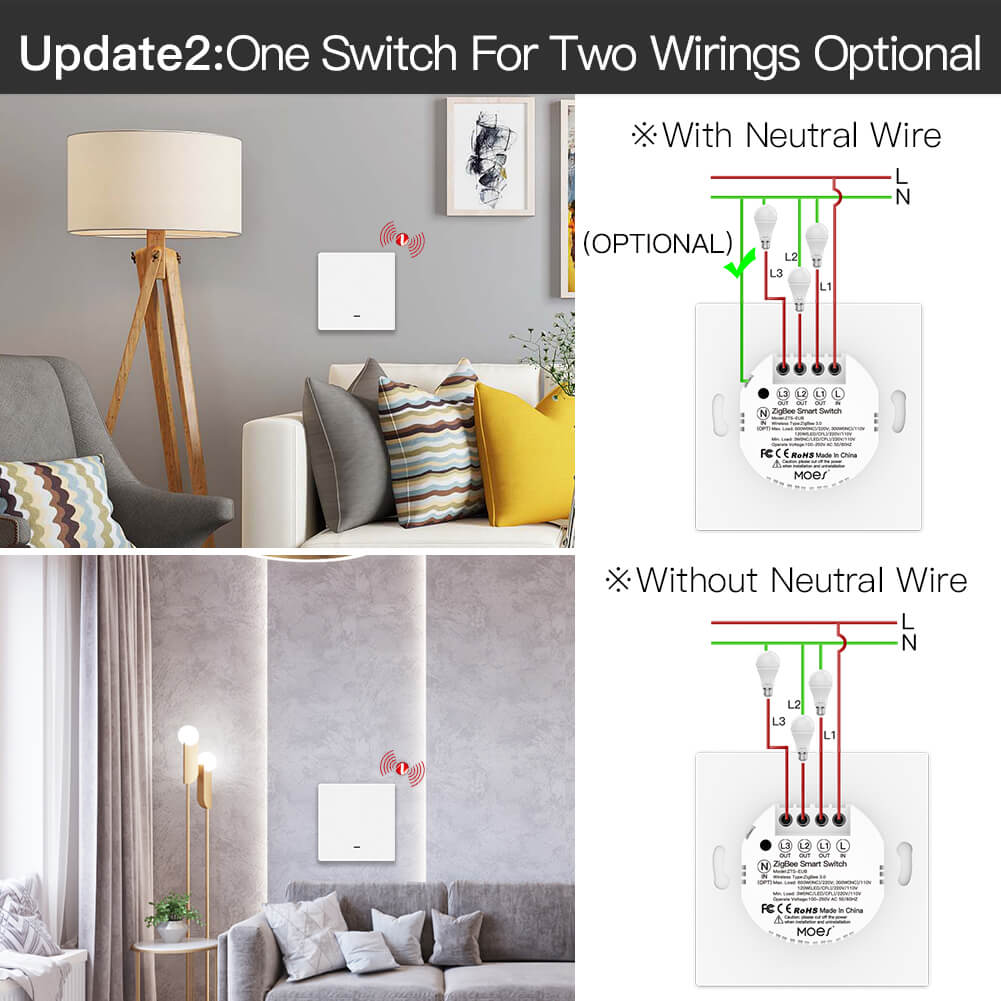
The Problem: You want to upgrade your home to smart lighting, but you live in a European property with solid masonry walls, shallow 60mm back boxes, and—crucially—no neutral wire at the switch. Tearing out plaster to run new cables isn't an option.
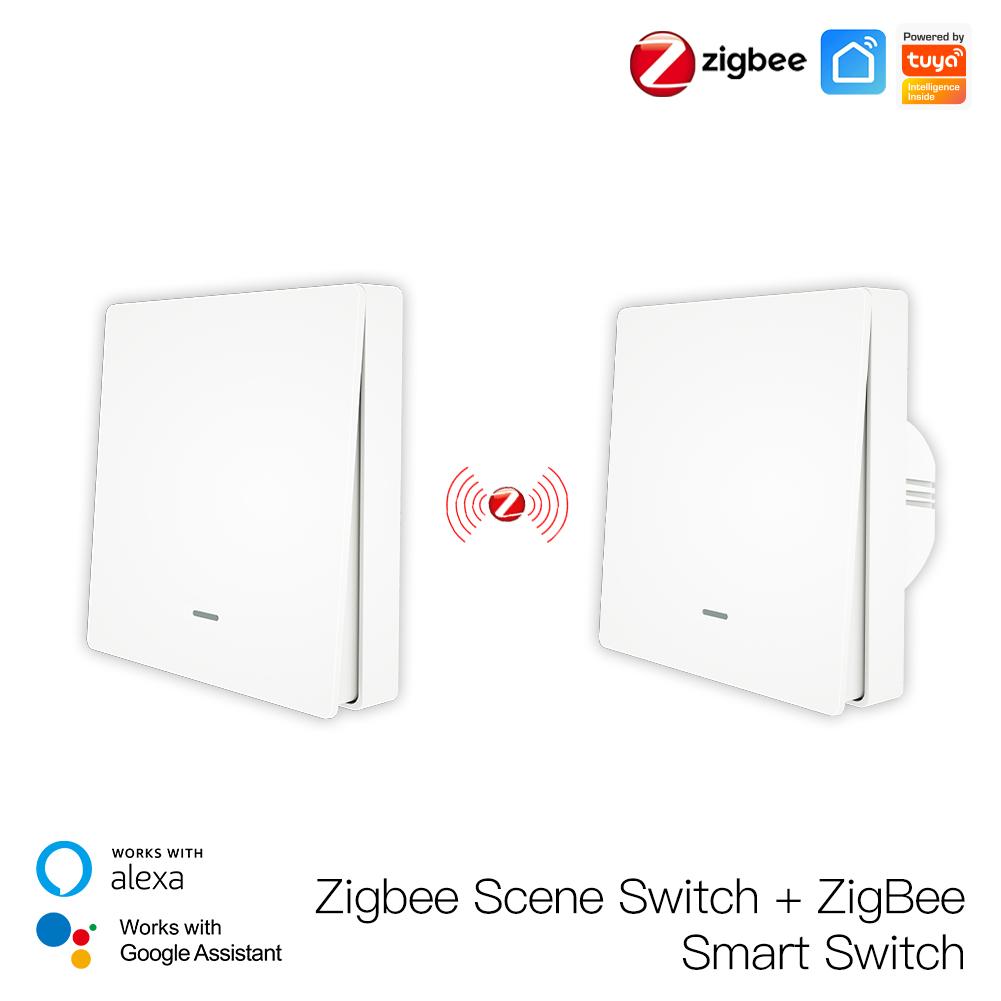
The Solution (BLUF): A ZigBee smart light switch solves this by operating on a low-power mesh network that doesn't require a neutral wire or a bulky capacitor. By using "Multi-Control Association" (software binding), you can link multiple switches to a single light wirelessly, creating 2-way or 3-way control setups without a single physical traveler wire.
In this guide, we will break down why ZigBee 3.0 is the superior choice for retrofitting homes in 2025, how to bypass the "neutral wire" limitation, and exactly how to configure multi-gang control using modern no-capacitor hardware.
What is a ZigBee Smart Light Switch and Why It Wins for Retrofitting
Why choose ZigBee over Wi-Fi for smart switches?
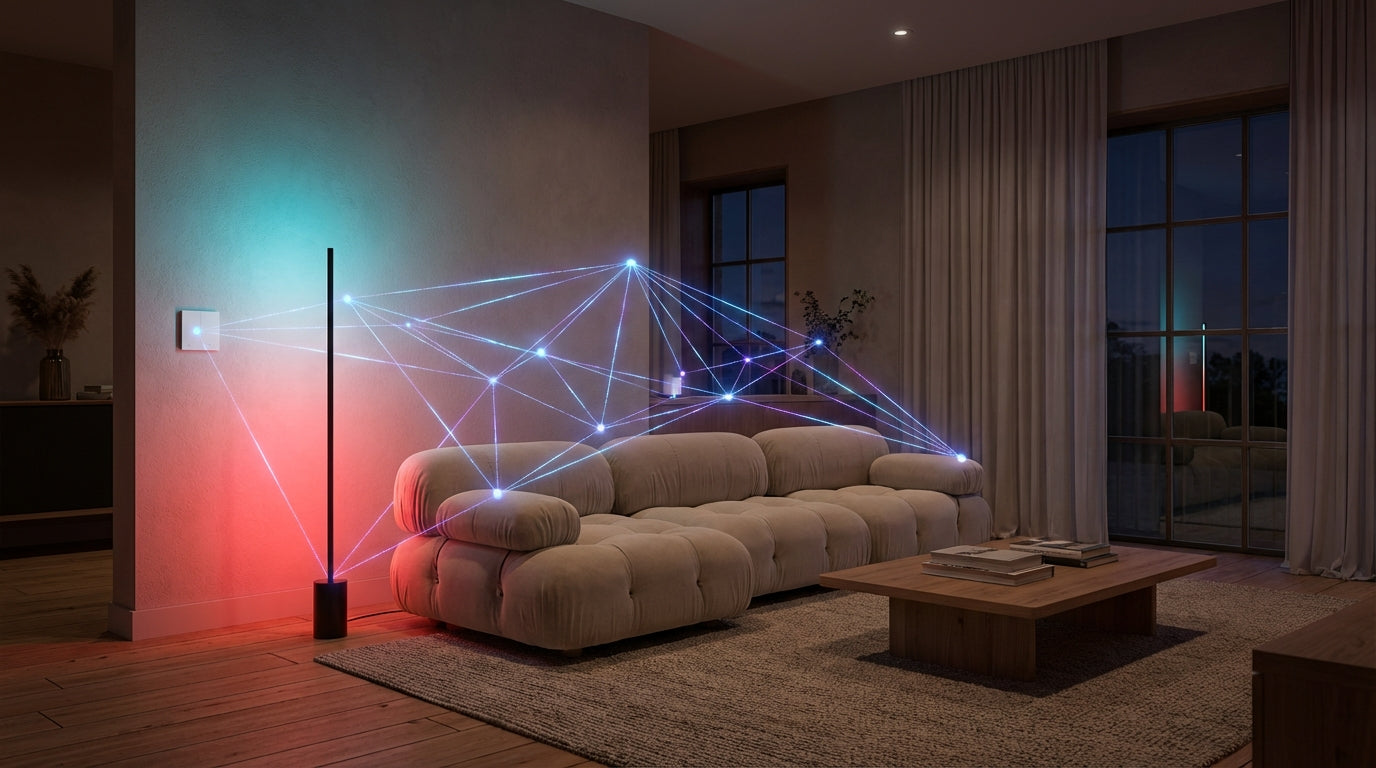
ZigBee is preferred because it creates a local mesh network that reduces Wi-Fi congestion and operates reliably even without an internet connection. Unlike Wi-Fi switches that fight for bandwidth with your laptop and streaming devices, ZigBee devices talk to each other. If one switch is too far from the hub, another main-powered switch acts as a repeater (router) to carry the signal, ensuring your smart home commands execute instantly with low latency.
What are the core components of a ZigBee setup?
A standard ZigBee network requires three distinct device types to function correctly:
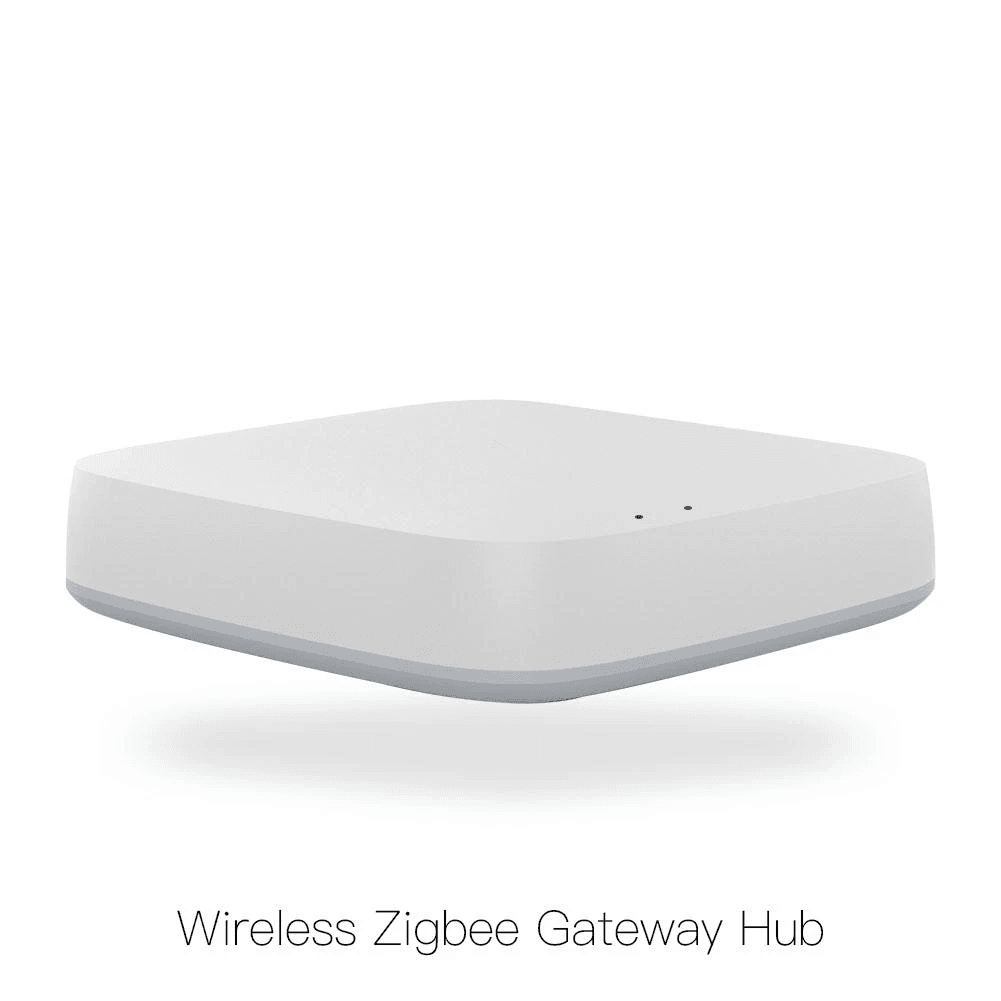
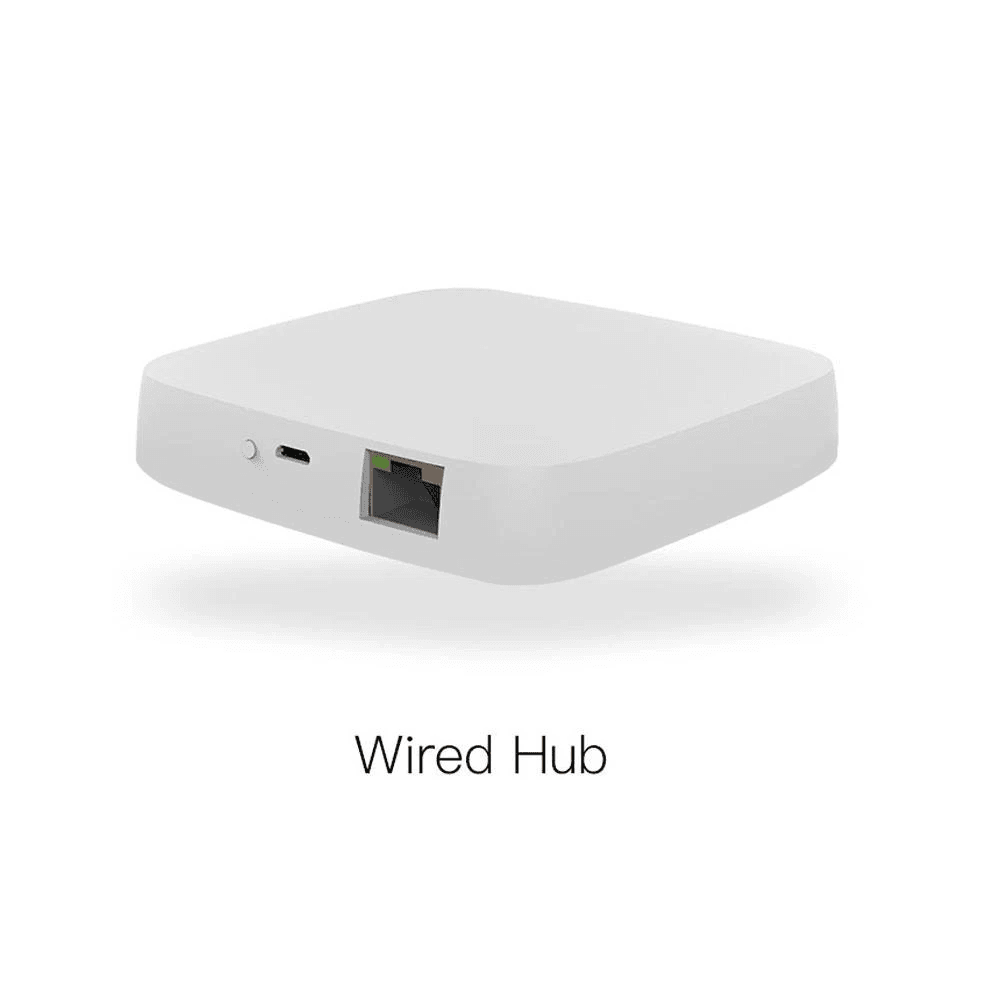
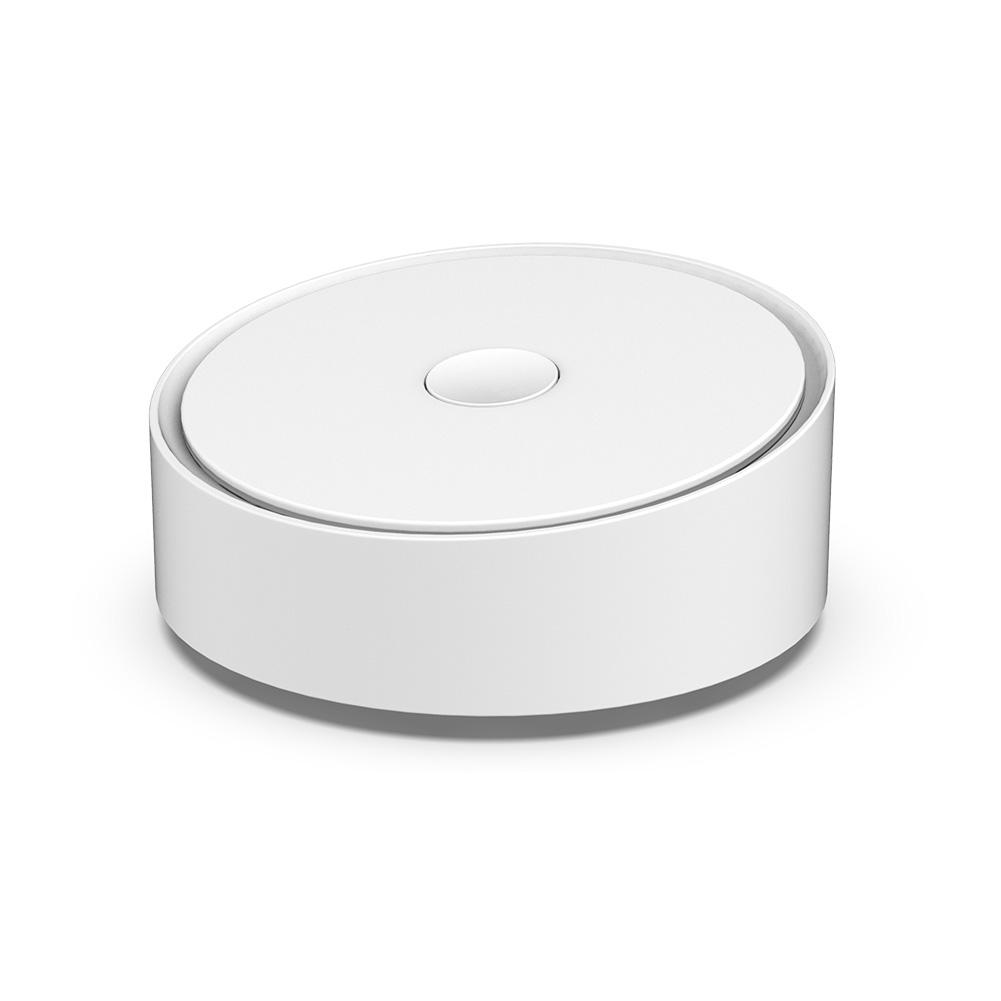
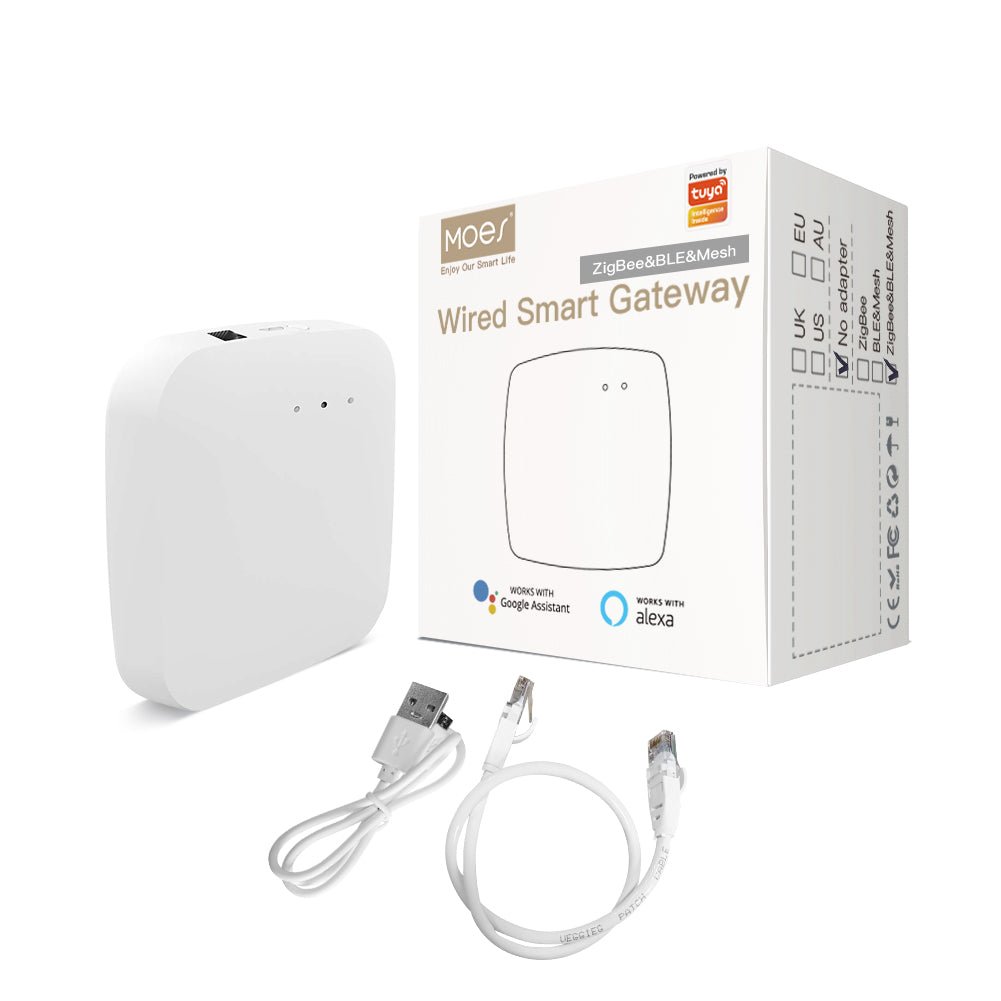
- Coordinator (Hub/Gateway): The "brain" of the network (e.g., Tuya ZigBee Hub, Philips Hue Bridge, or a Sonoff Dongle) that connects your switches to the internet.
- Router (Mains-Powered Switch): Any wired device, such as your ZigBee smart light switch, that repeats the signal to extend range.
- End Device (Battery Sensors): Devices like motion sensors or wireless buttons that sleep to save power and do not repeat signals.

Achieving Multi-Gang Control Without New Wires
How does "Multi-Control Association" work?
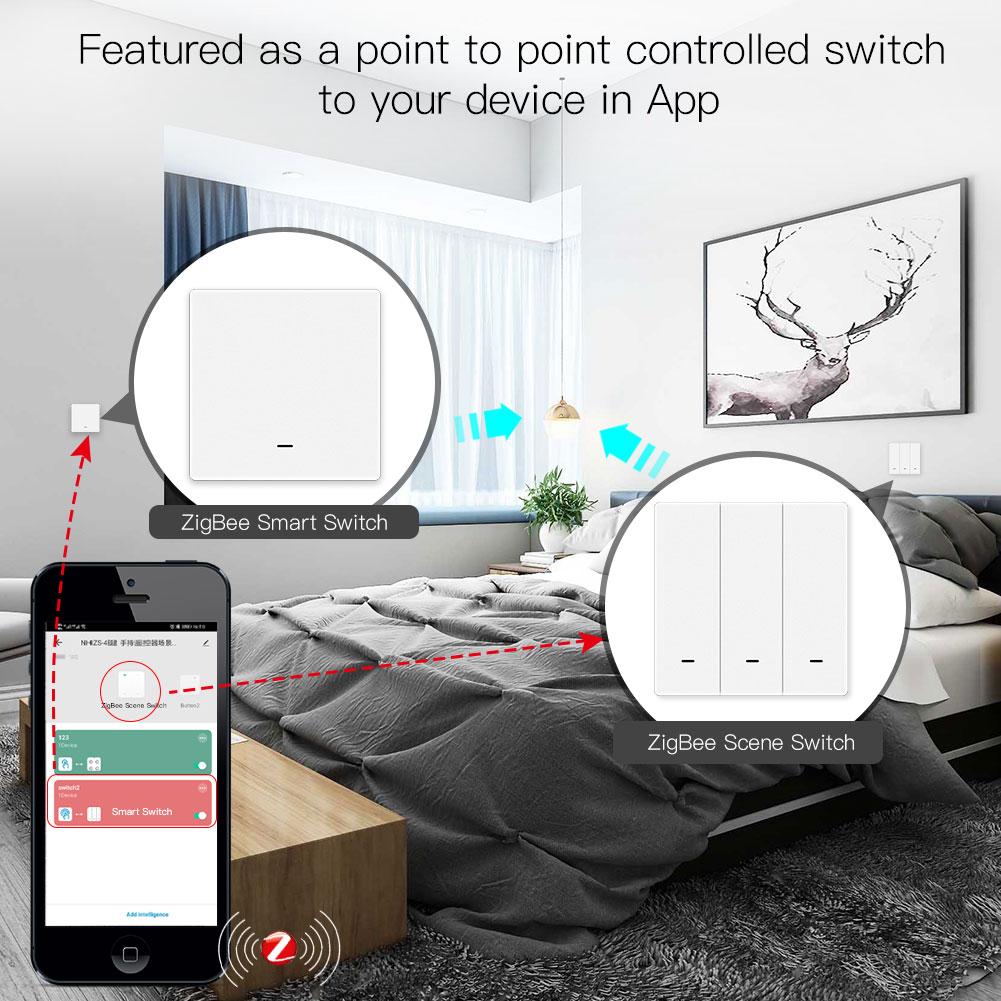
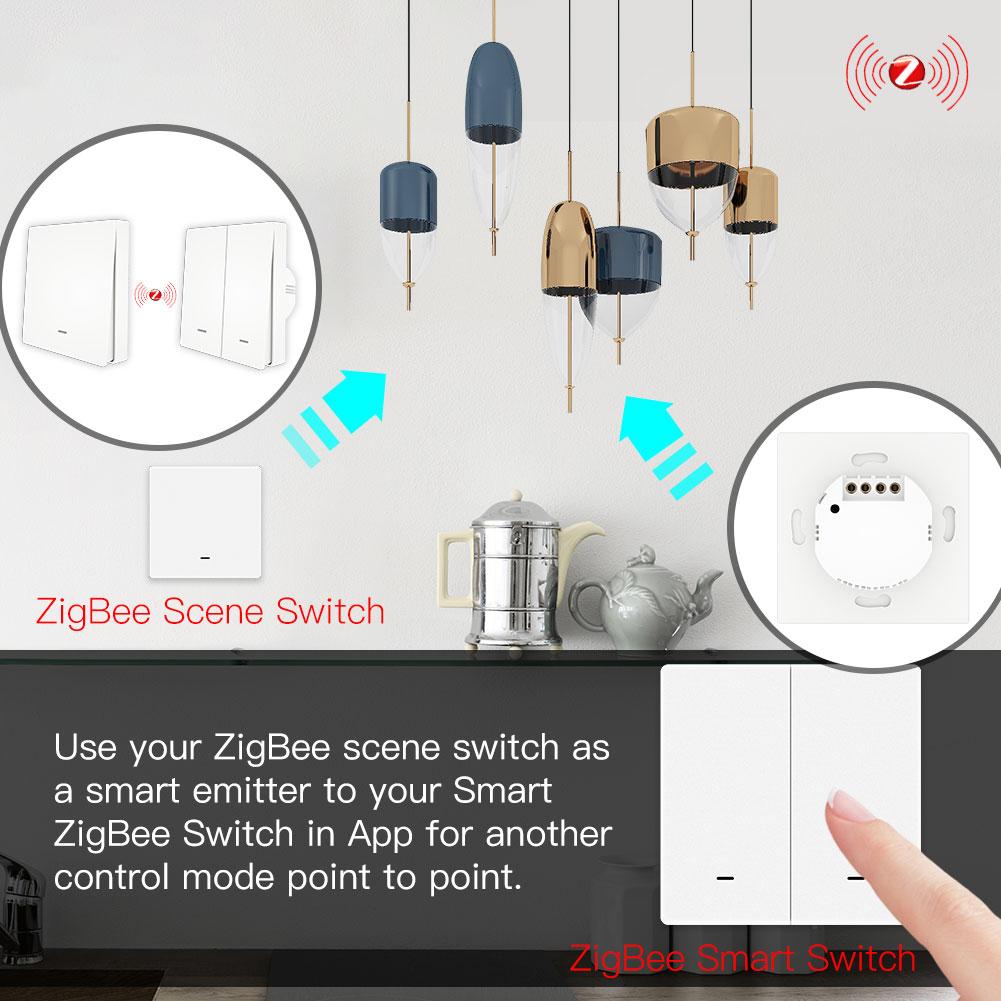
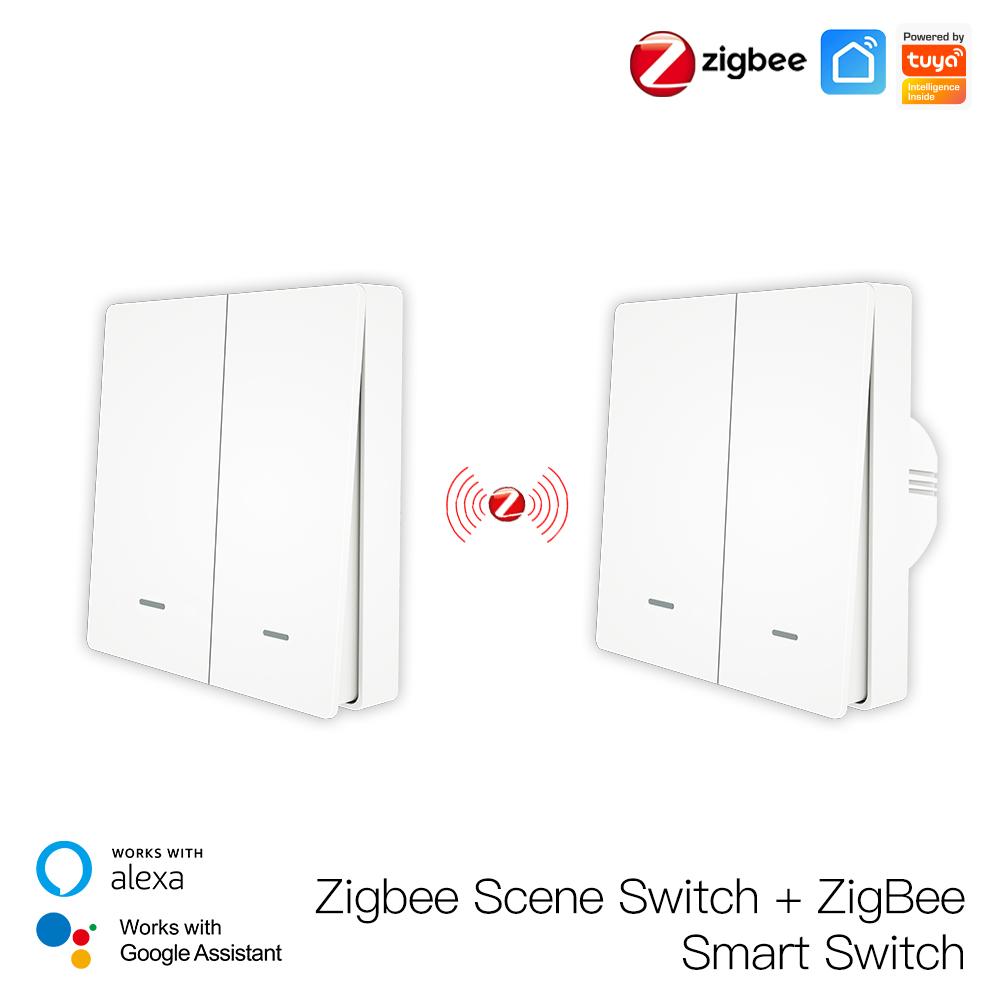
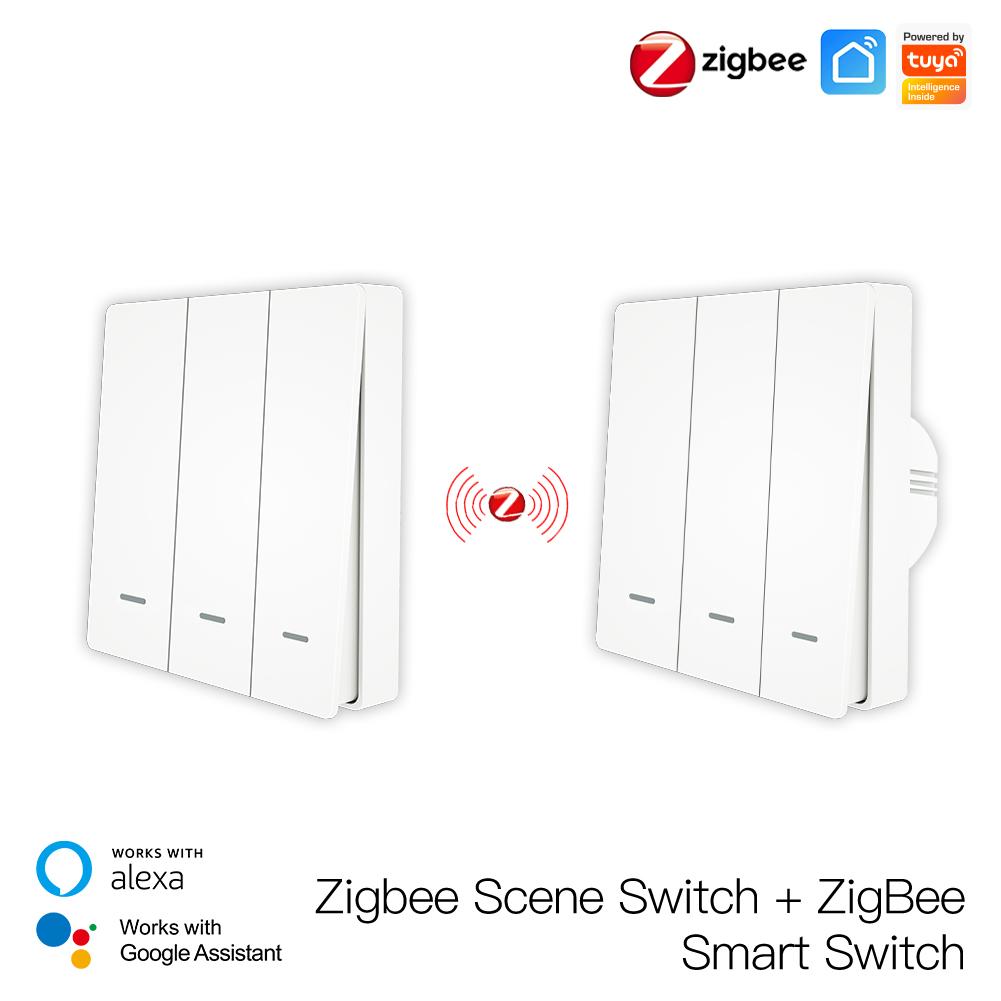
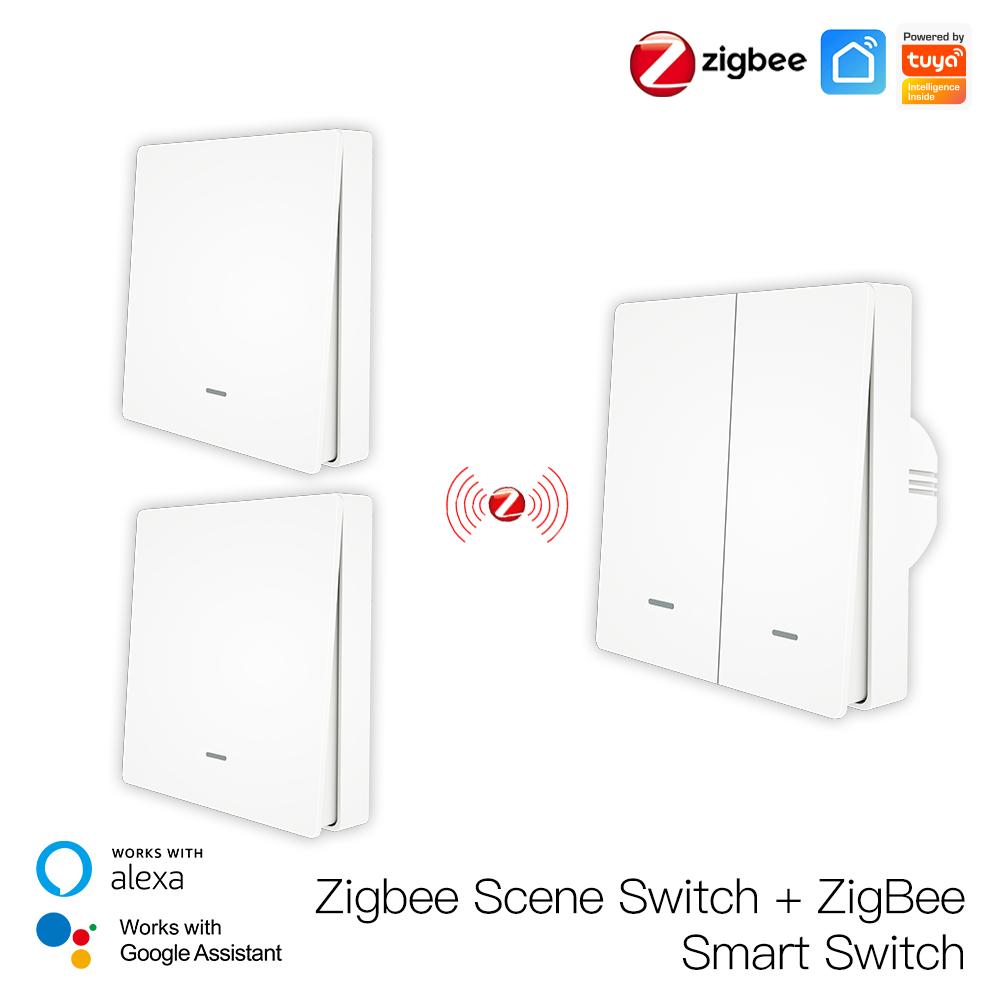
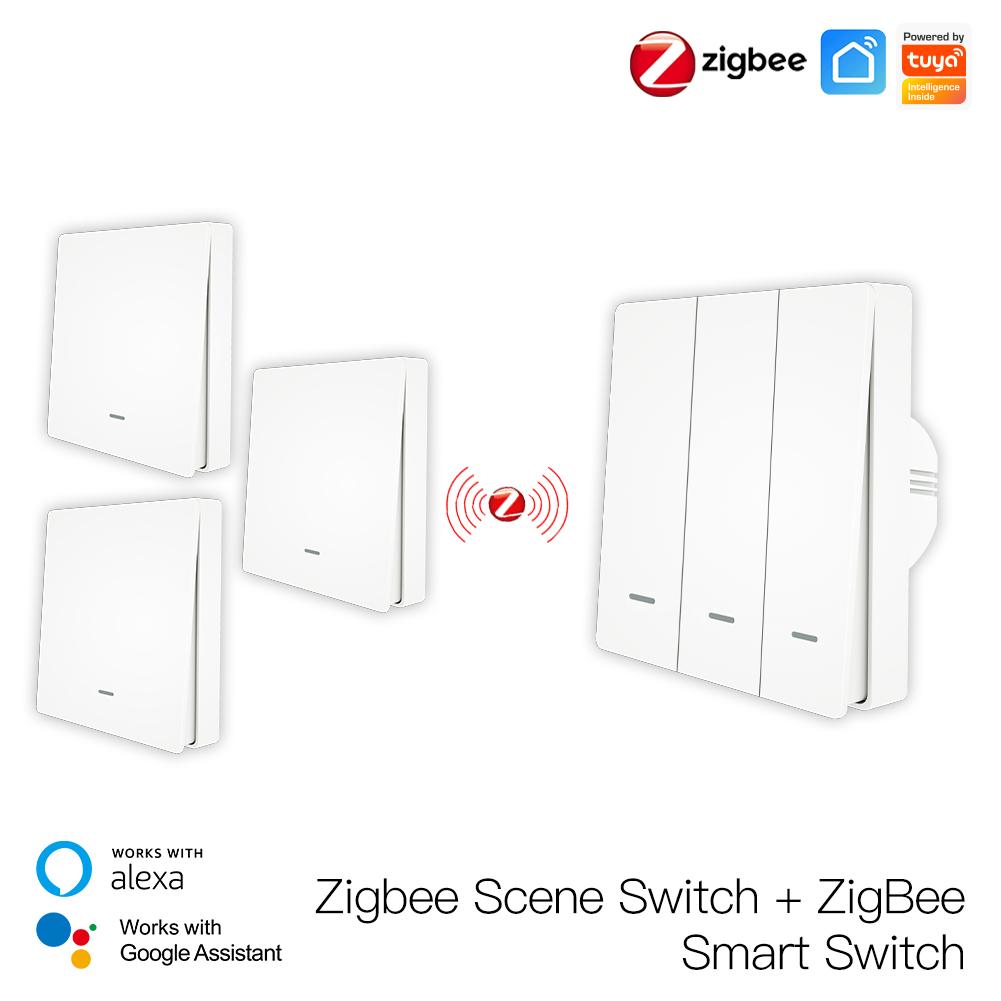
Multi-Control Association allows a ZigBee switch to trigger another device via software rather than physical copper wires. In a traditional home, a 2-way setup (controlling one light from two locations) requires a "traveler wire" physically connecting both switches. With ZigBee, you simply wire the light to one switch (Gang 1). The second switch (Gang 2) is wired only to power but connected to nothing else. Inside the app, you "associate" Gang 2 to Gang 1. When you press Gang 2, it sends a wireless signal to Gang 1 to toggle the light.

What is Decoupled Mode (Smart Bulb Mode)?
Decoupled mode separates the physical button press from the electrical relay. If you use smart bulbs (like Hue or Ikea Trådfri) with a standard switch, turning the switch "off" kills power to the bulb, making it unresponsive. In decoupled mode, the ZigBee switch keeps the power always on (relay closed) but sends a logical "off" command to the bulb when you press the button. This ensures your smart lights are always reachable.
Comparison: Traditional Wiring vs. ZigBee Logical Binding
| Feature | Traditional 2-Way Wiring | ZigBee Multi-Control |
|---|---|---|
| Wiring Requirement | Requires physical traveler wires between switches. | No physical connection between switches needed. |
| Installation Difficulty | High (chasing walls, replastering). | Low (swap existing switch faceplates). |
| Flexibility | Fixed function (on/off only). | Dynamic (dimming, scenes, automation). |
| Cost | High labor costs for electricians. | Hardware cost only (~$20-$40 per switch). |
Installation Best Practices for European Homeowners
The "No Capacitor" Breakthrough
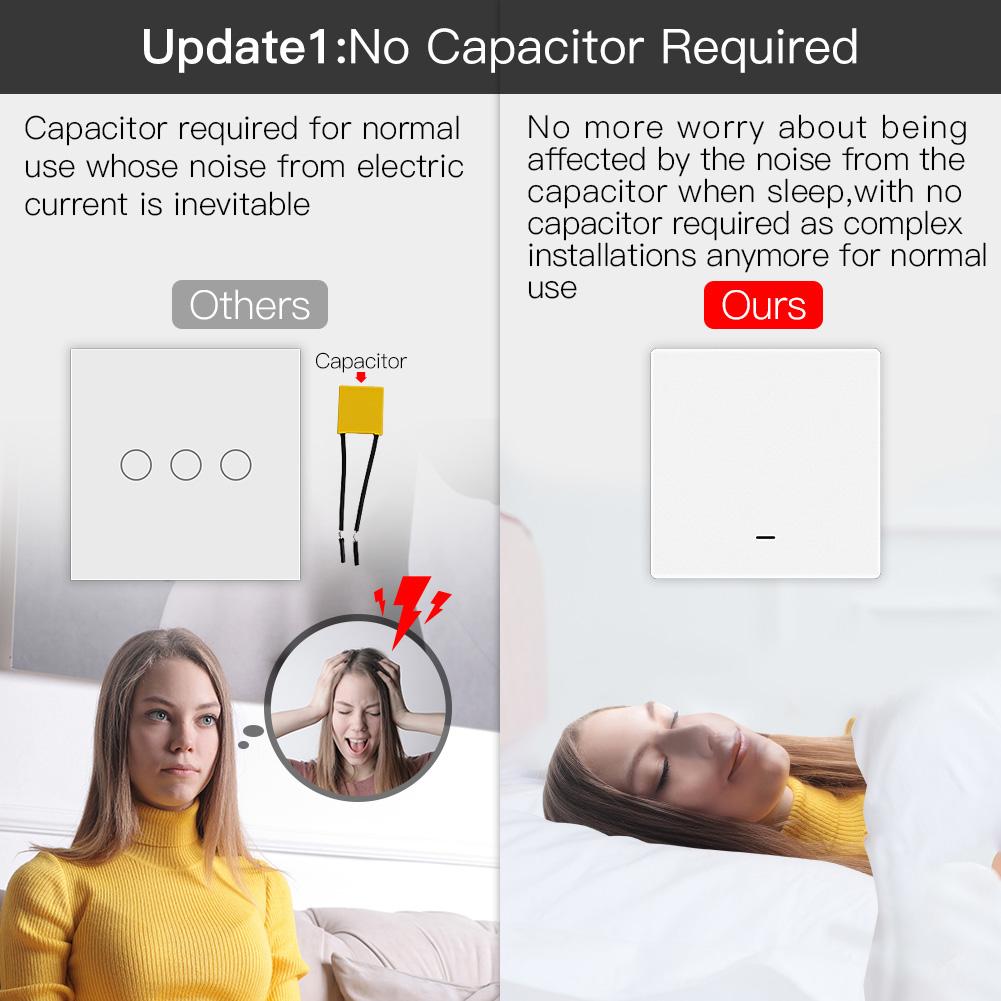
Older smart switches without a neutral wire often required a large capacitor to be installed at the light bulb to prevent flickering (caused by the switch "leaking" a small amount of power to stay alive). The latest generation of ZigBee switches uses advanced magnetic latching relays and optimized power management to eliminate the need for this capacitor. This makes installation significantly safer and easier, as you don't need to climb ladders to access your ceiling rose.

Video Guide: Installation & Setup
For a visual walkthrough of the wiring process, check out this installation demonstration:
📺 Related Video: ZigBee 1/2/3 Gang Smart Push Button Light Switch 2 Way Multi-Control Neutral Wire Optional EU installation
Expert Tip: Cross-Brand Compatibility
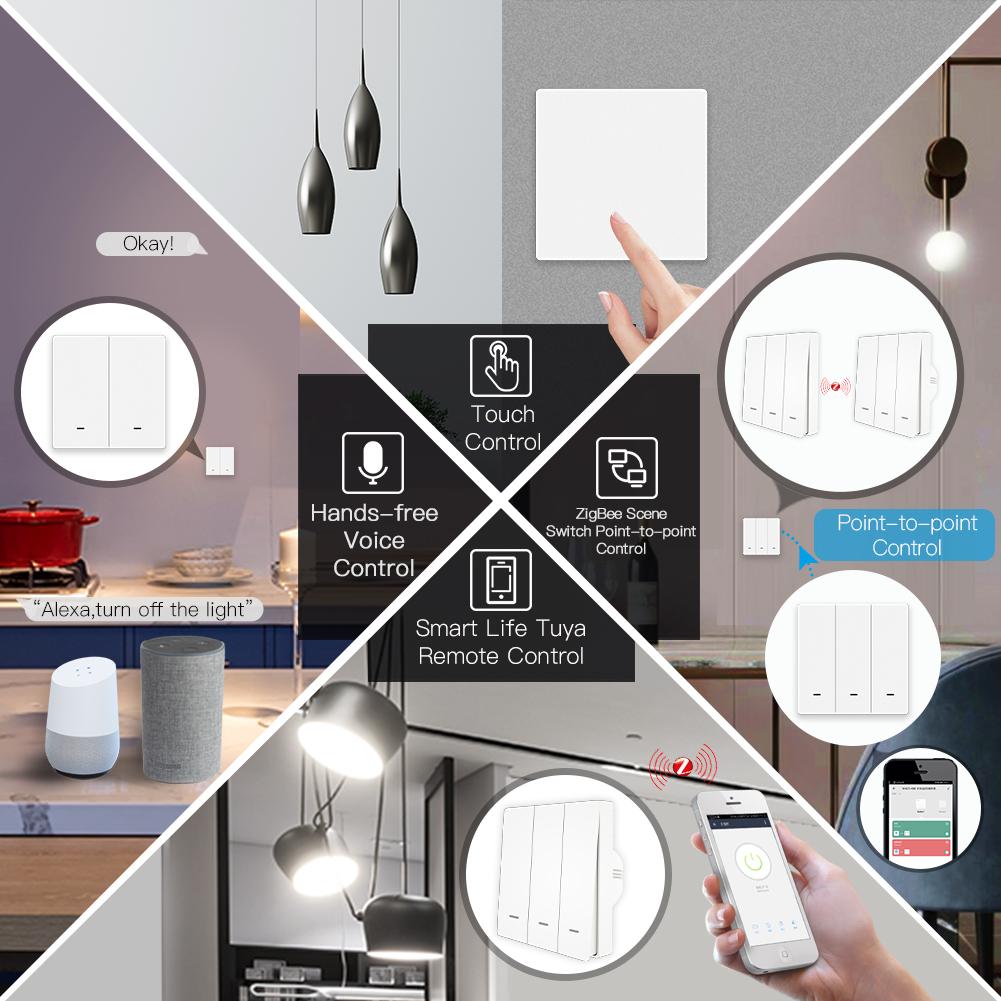
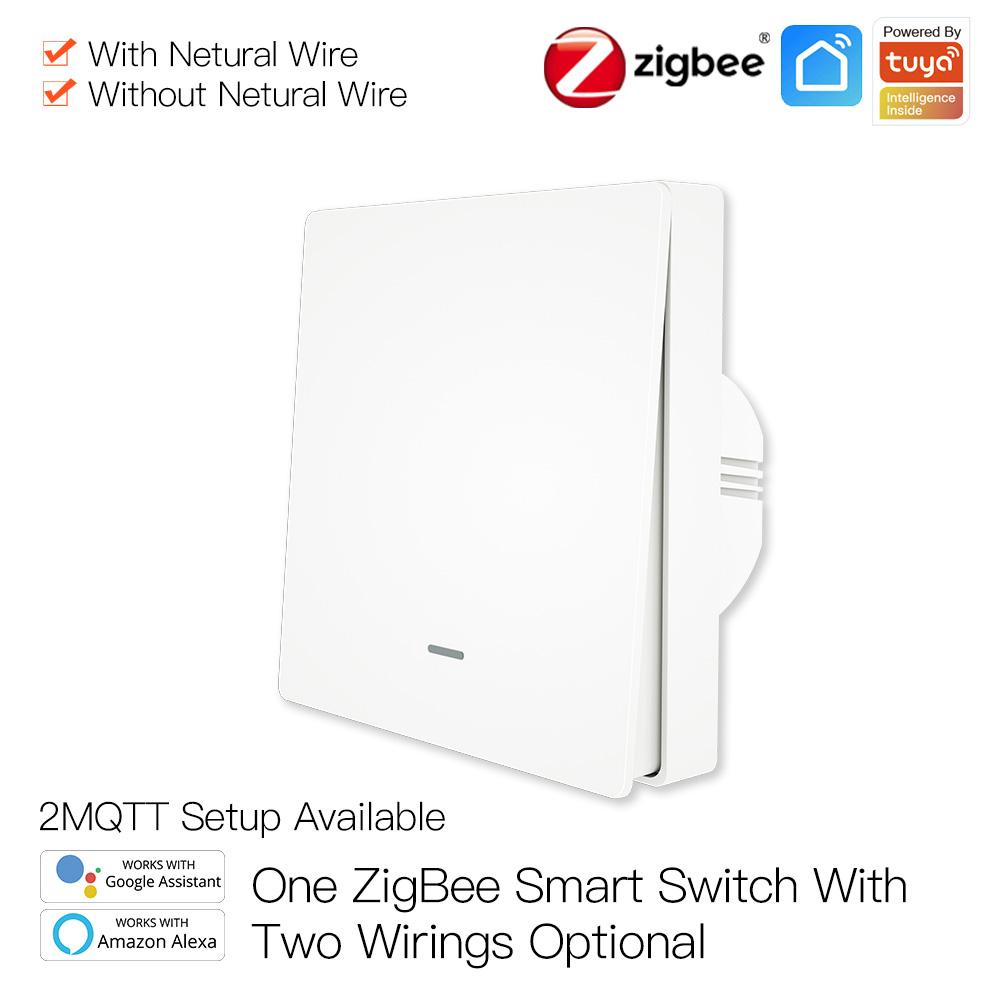
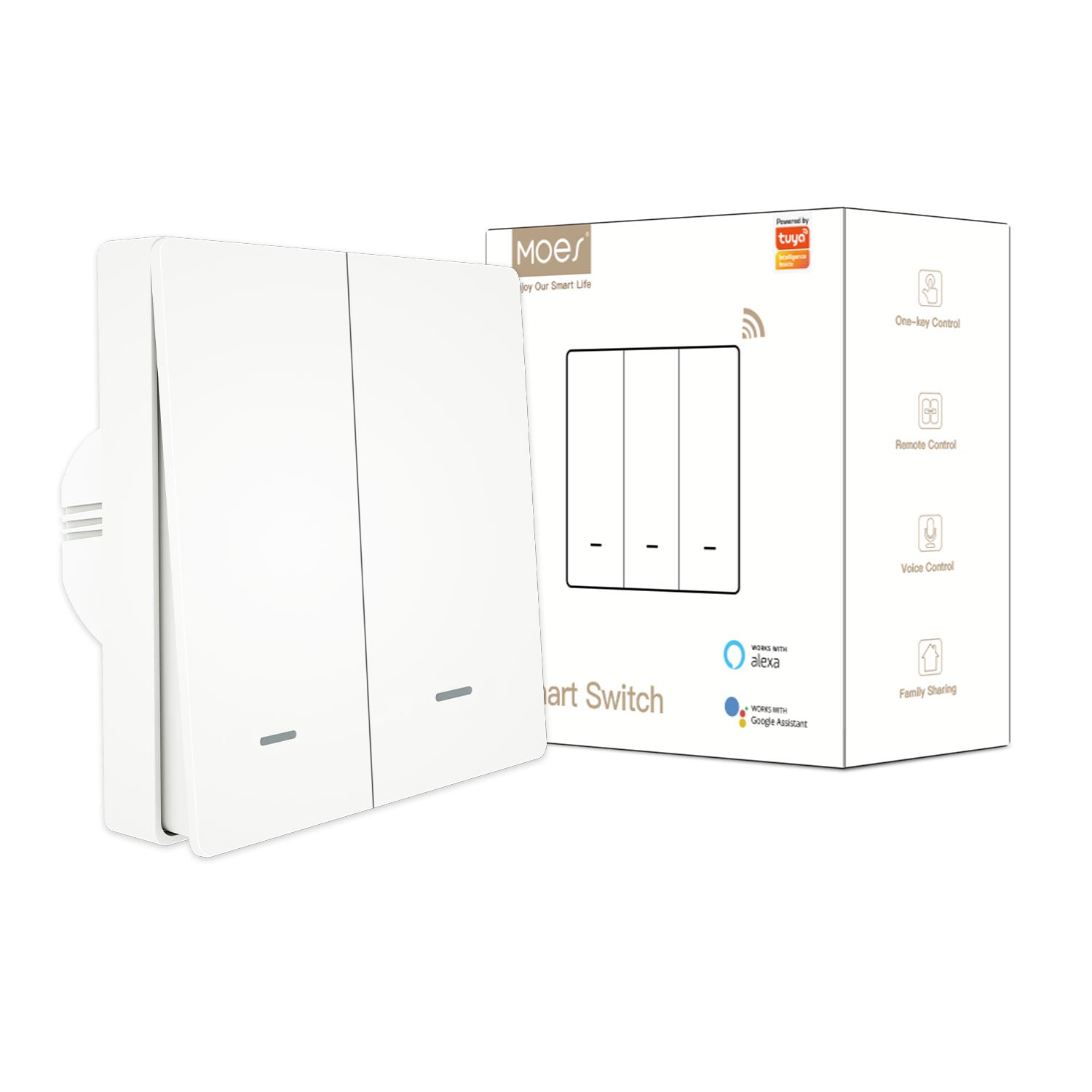
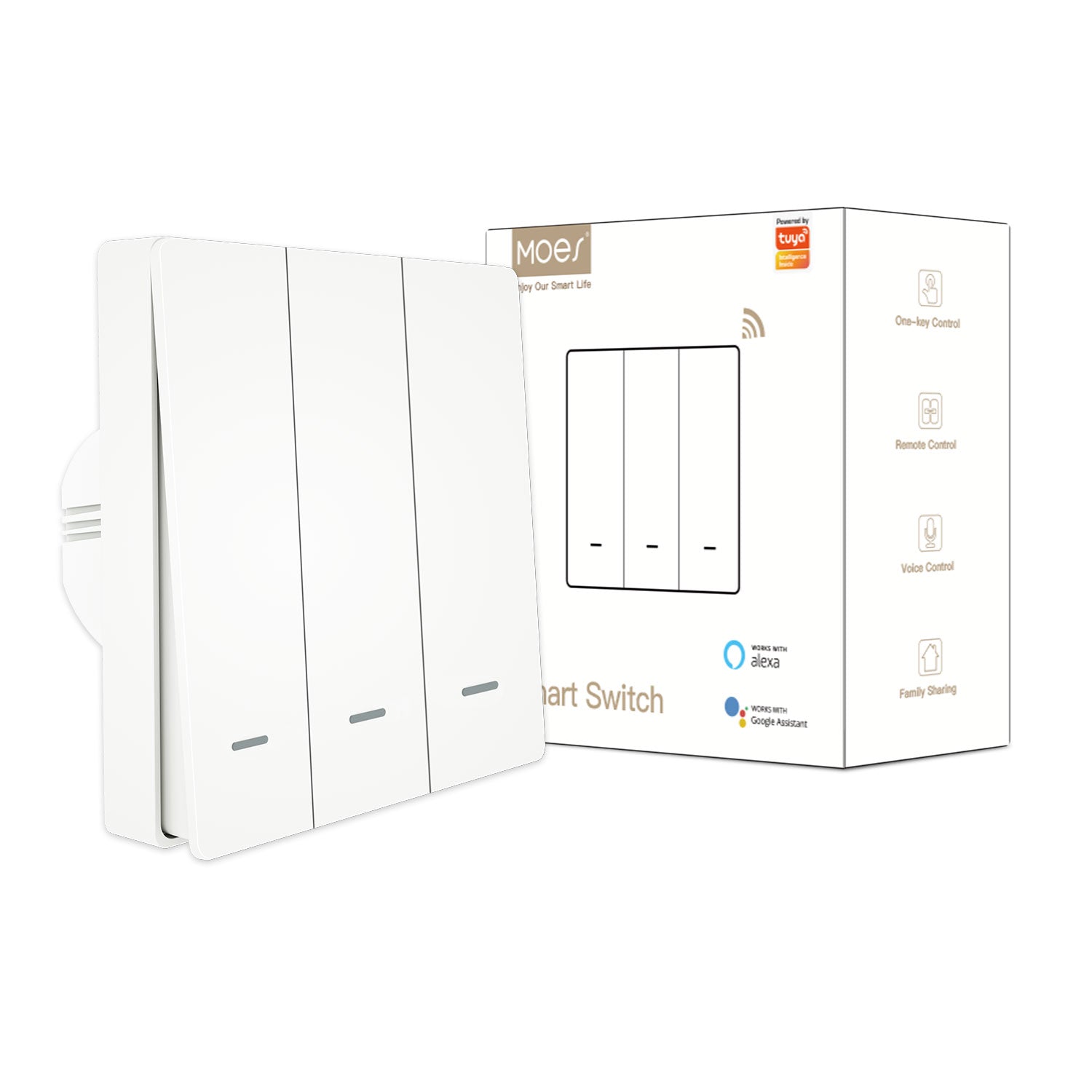
To ensure maximum stability, always look for ZigBee 3.0 certification. This standard guarantees that your switch will talk to hubs from different brands. For example, the ZigBee 1/2/3 Gang Smart Switch works seamlessly with the Tuya/Smart Life ecosystem, which can then be bridged to Home Assistant, Amazon Alexa, or Google Home for voice control.

What Users Say
"I have an old apartment in Berlin with no neutral wires. I was worried I'd have to use those ugly capacitors near the bulb, but this switch worked perfectly without one. The tactile feel is very premium."
"Set up a 2-way switching system for my hallway stairs. I didn't have to run a new cable up the stairs; I just associated the second switch in the app. Game changer for renovations."
"Integrates well with Home Assistant via Zigbee2MQTT. The response time is instant, unlike my old Wi-Fi switches that would lag when the network was busy."
Frequently Asked Questions (FAQ)
Does a ZigBee smart light switch need a hub?
Yes. Unlike Wi-Fi devices that connect directly to your router, ZigBee devices require a ZigBee Coordinator (Hub) to translate the ZigBee signal into data your network can understand. This hub is what allows you to control the lights via your phone or voice assistants like Alexa.
Can I install a ZigBee switch if I don't have a neutral wire?
Yes, absolutely. You should look for "No-Neutral" specific models. These switches are designed to harvest a tiny amount of power from the live wire to stay operational without completing the circuit via a neutral wire.
Will my lights work if the internet goes down?
Yes. This is a major advantage of ZigBee. If you have bound your switches directly to your smart bulbs or other switches (using ZigBee Binding), they will continue to communicate locally even if your internet connection or the hub goes offline.
How many gangs can a single ZigBee switch handle?
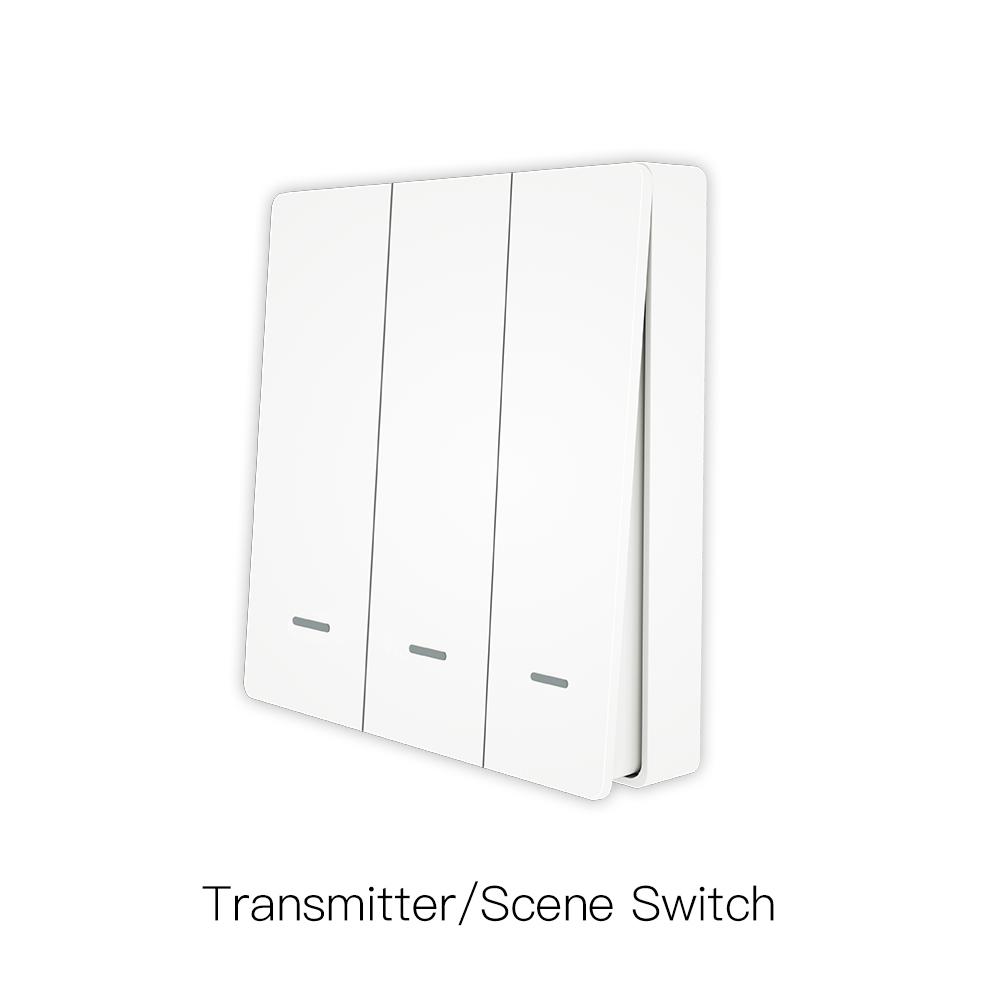
Most European standard ZigBee switches come in 1-gang, 2-gang, and 3-gang configurations. However, "Logical Multi-Gang" allows a single physical button to trigger a "scene" that could turn on 10+ lights simultaneously.
Is ZigBee better than Matter for light switches in 2025?
Currently, ZigBee is more mature for "no-neutral" setups. While Matter is the future of interoperability, the selection of affordable, no-neutral Matter switches is still limited compared to the vast ecosystem of ZigBee 3.0 devices available today.
Conclusion
Renovating older homes doesn't have to mean chasing walls or rewiring entire circuits. With ZigBee smart light switches, you can achieve sophisticated multi-gang lighting control, 2-way switching, and smart home automation using your existing wiring.
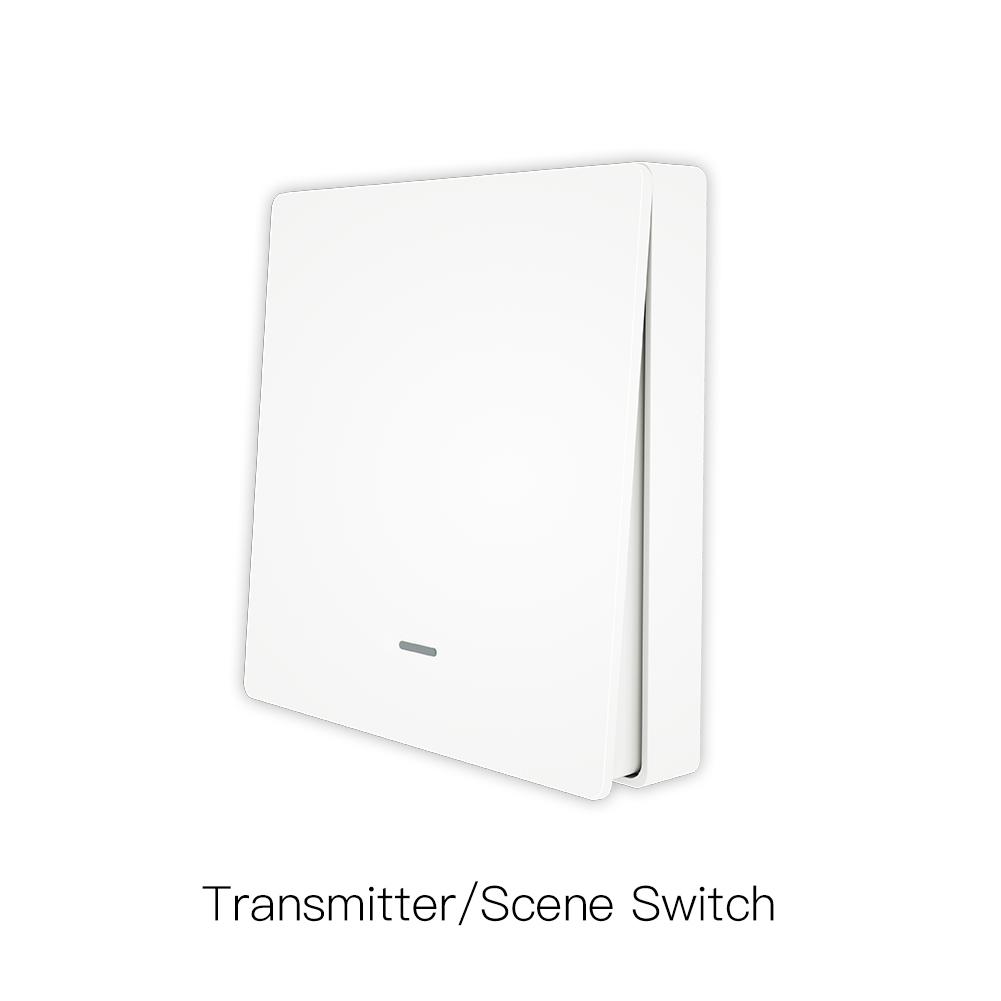
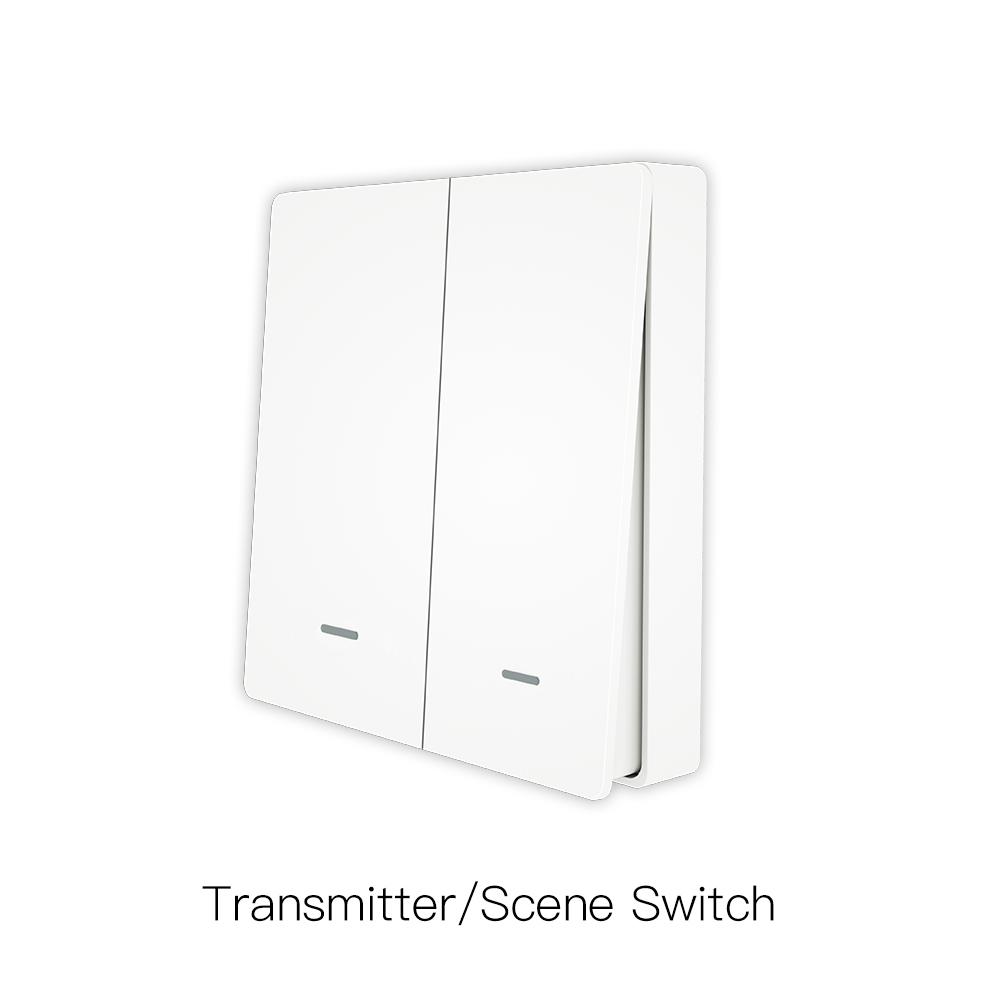
Whether you are using a Smart Button Scene Switch for simple control or a comprehensive Smart Switch Module hidden behind the wall, the technology is now robust enough to be "spouse-approved" and electrician-friendly.
Ready to upgrade your hallway lighting without a hammer? Browse our range of European-standard ZigBee smart light switches to start your next DIY project.