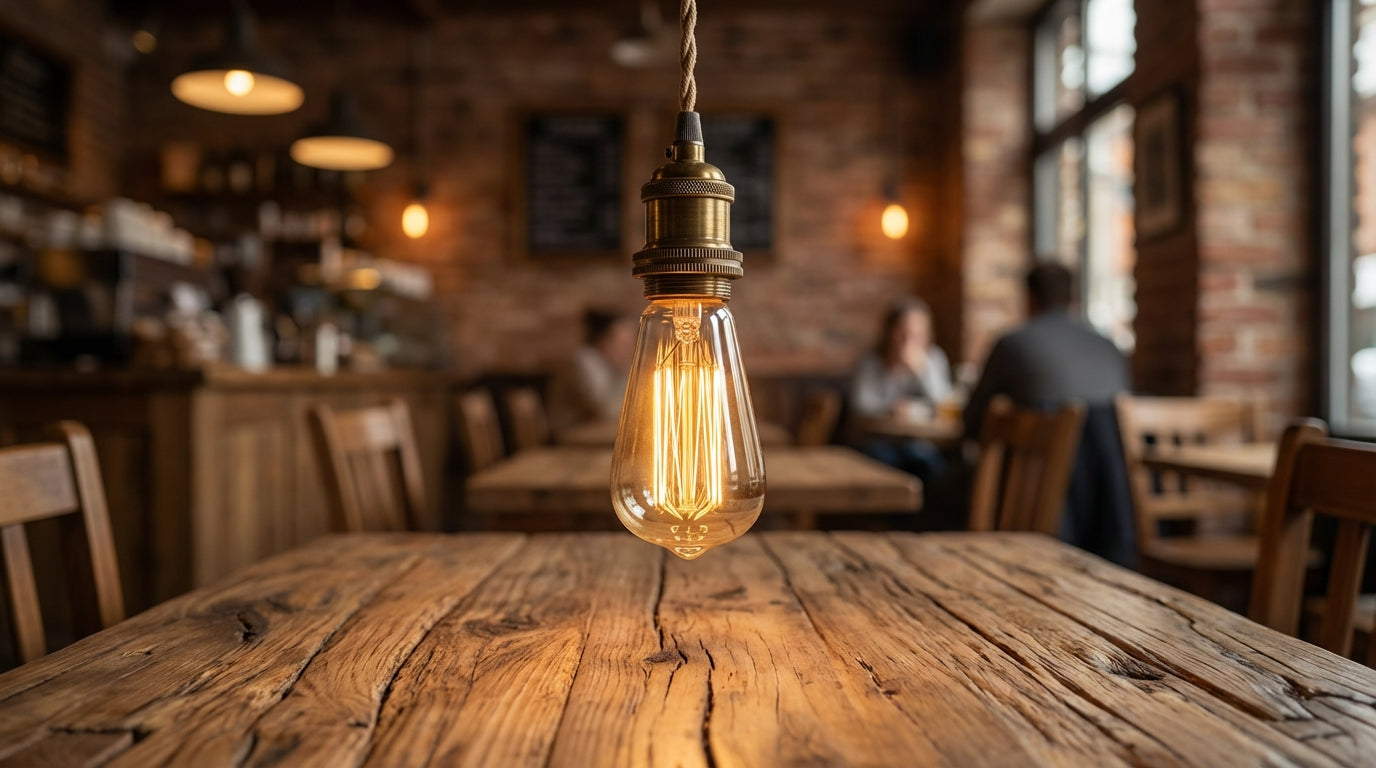
In the competitive world of hospitality, lighting acts as a silent salesman. For cafe owners and interior designers, selecting the best vintage LED bulbs is not merely about illumination—it is about crafting an emotional architecture that encourages dwell time and social sharing. A sterile, flickering space drives customers away, while a warm, high-CRI glow can make a simple latte look Instagram-worthy.
What defines the best vintage LED bulbs for cafes?
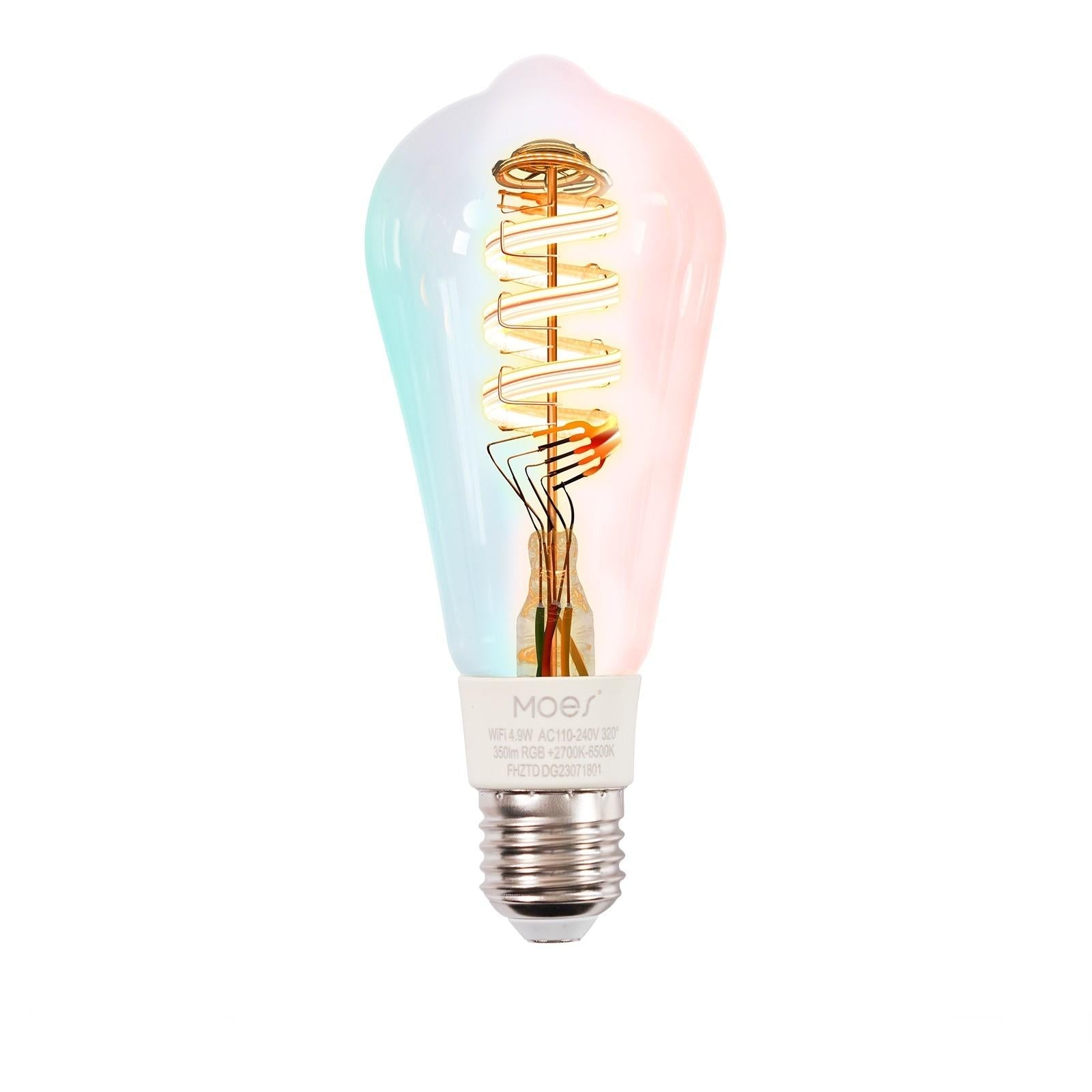
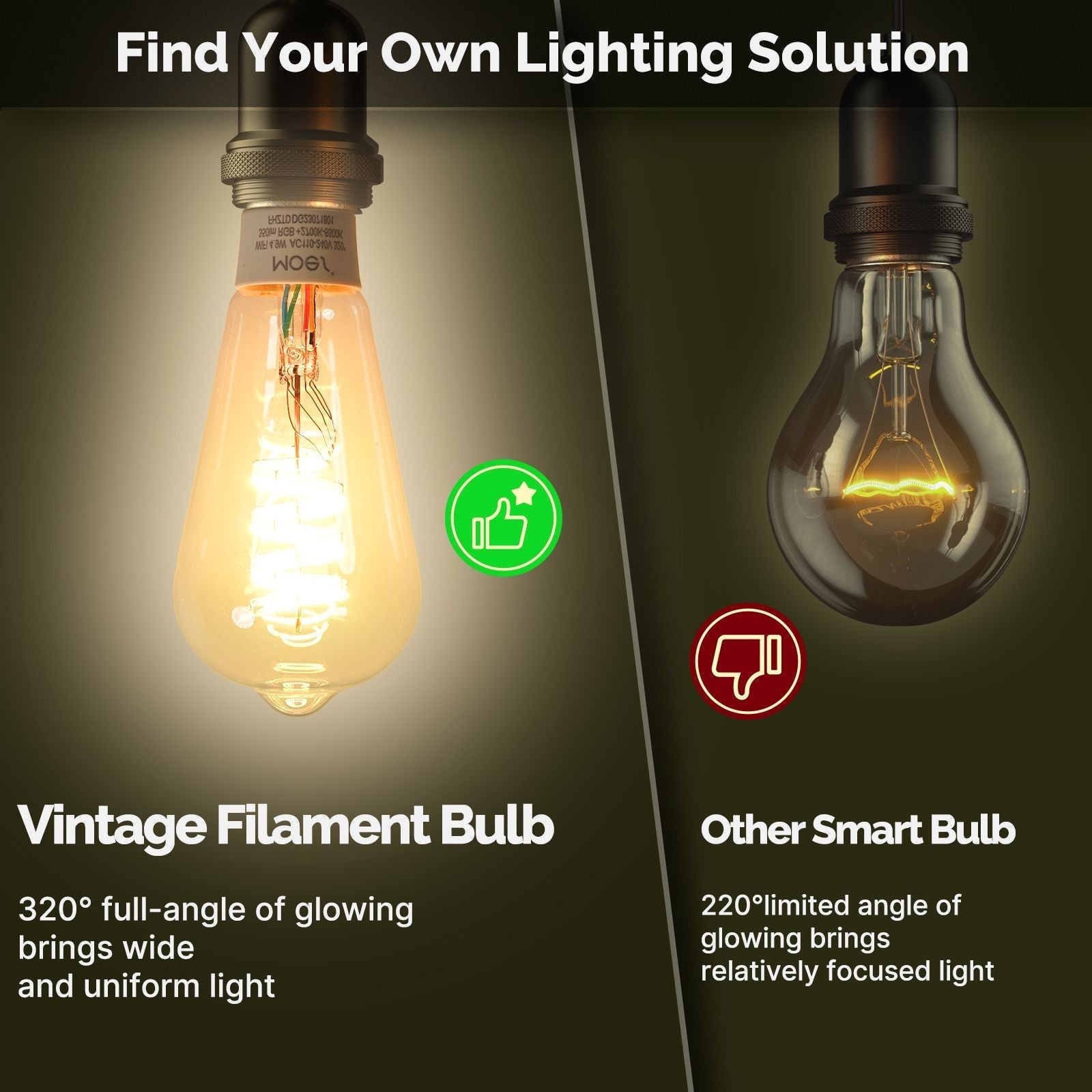
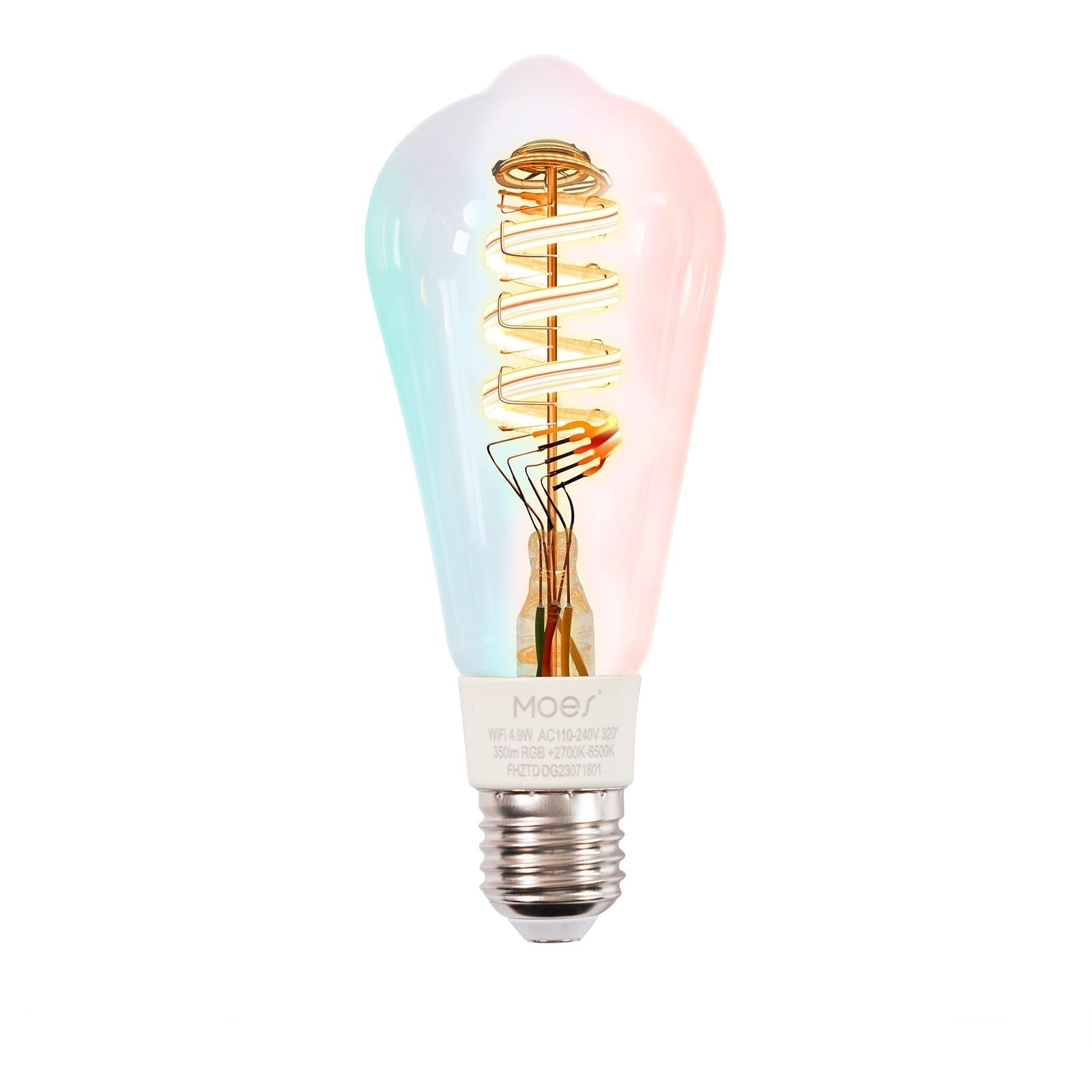
Vintage LED Edison bulbs are solid-state lighting devices that combine the aesthetic of 19th-century carbon filaments with modern energy efficiency. The top contenders in this specific entity category—Brightech and Hudson Lighting—dominate the market by offering distinct value propositions: Brightech excels in outdoor durability and string lighting, while Hudson Lighting sets the standard for indoor aesthetic fidelity. However, the industry is currently witnessing a paradigm shift towards Smart Wi-Fi LED Technology, which solves the historic limitations of fixed color temperatures.

The Aesthetic Science: Color Temperature and CRI in Cafe Settings
Color Temperature (measured in Kelvins) and Color Rendering Index (CRI) are the two primary attributes that determine the "photogenic" quality of your space.
The "Golden Hour" Effect
Most vintage bulbs target the 2200K (Amber Glow) to 2700K (Soft White) range. This specific spectral output mimics the "Golden Hour" of sunset, triggering a biological relaxation response in customers. However, a common pitfall is choosing a bulb that is too yellow (2000K), which can muddy the visual presentation of food.
CRI: The Instagram Factor
Color Rendering Index (CRI) measures a light source's ability to reveal the true colors of an object compared to natural sunlight. For a cafe, a CRI of 80 is the baseline, but a CRI of 90+ is preferred. High CRI ensures that the reds in a strawberry tart or the rich browns of an espresso crema pop on camera screens.
| Attribute | Brightech (Ambience Pro) | Hudson Lighting (Vintage) | LumiMuse Smart ST64 |
|---|---|---|---|
| Color Temp (Kelvins) | Fixed 2700K - 3000K | Fixed 2200K - 2700K | Tunable 2700K - 6500K |
| CRI Rating | ~80 Ra | ~80-85 Ra | High Fidelity RGB+W |
| Primary Use Case | Outdoor / String Lights | Indoor Atmosphere | Dynamic Mood / Smart Control |
Brightech vs. Hudson Lighting: Head-to-Head Attributes
When investigating the filament architecture and luminous flux, the distinction between these two giants becomes clear. This comparison helps clarify which entity serves your specific operational needs.
Brightech: The Outdoor Workhorse
Brightech has built its reputation on the "Ambience Pro" series. Their core advantage is WeatherTite™ technology. These bulbs are often encased in shatterproof plastic rather than fragile glass, making them the superior choice for outdoor string light setups where wind and weather are factors. However, the trade-off is often a less authentic "vintage" look up close.
Hudson Lighting: The Aesthetic Purist
Hudson Lighting focuses on the Squirrel Cage Filament design. Their bulbs typically use glass enclosures with a slight amber tint to replicate the vacuum tubes of the early 20th century. For indoor pendants where the customer is sitting directly underneath the fixture, Hudson offers a higher degree of visual authenticity.
The Operational Threshold: Dimmability and Lifespan
The most common complaint in hospitality lighting is the "Flicker Effect." This phenomenon occurs when modern LED Drivers are incompatible with older TRIAC wall dimmers.
The TRIAC Problem
Traditional wall dimmers work by "chopping" the voltage, which often confuses the internal electronics of standard vintage LEDs. This results in a strobe-like flicker that ruins video content recorded by customers. Hudson Lighting and Brightech both offer "Dimmable" versions, but they require specific, modern dimmer switches to function correctly.
The Smart Solution: App-Controlled Dimming
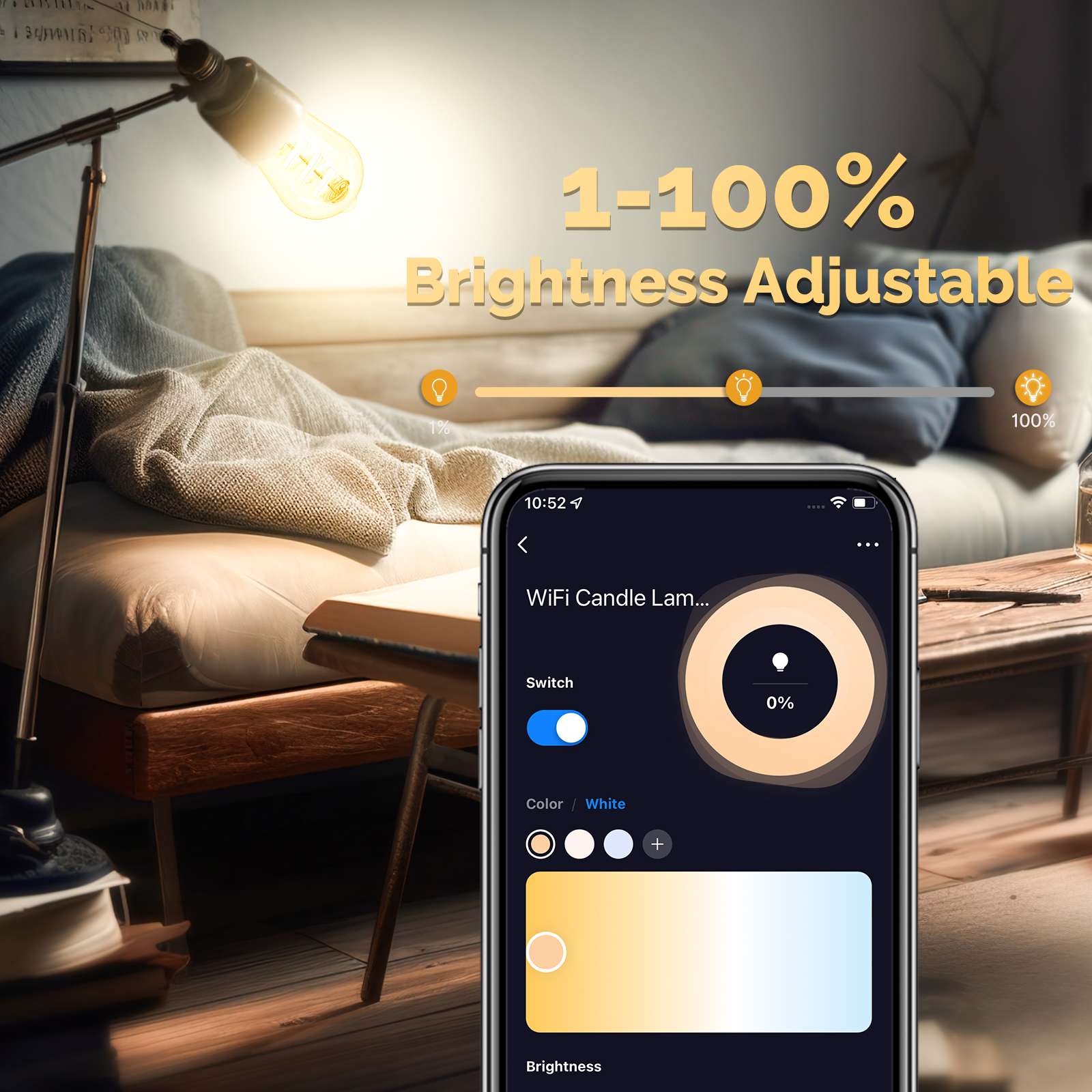
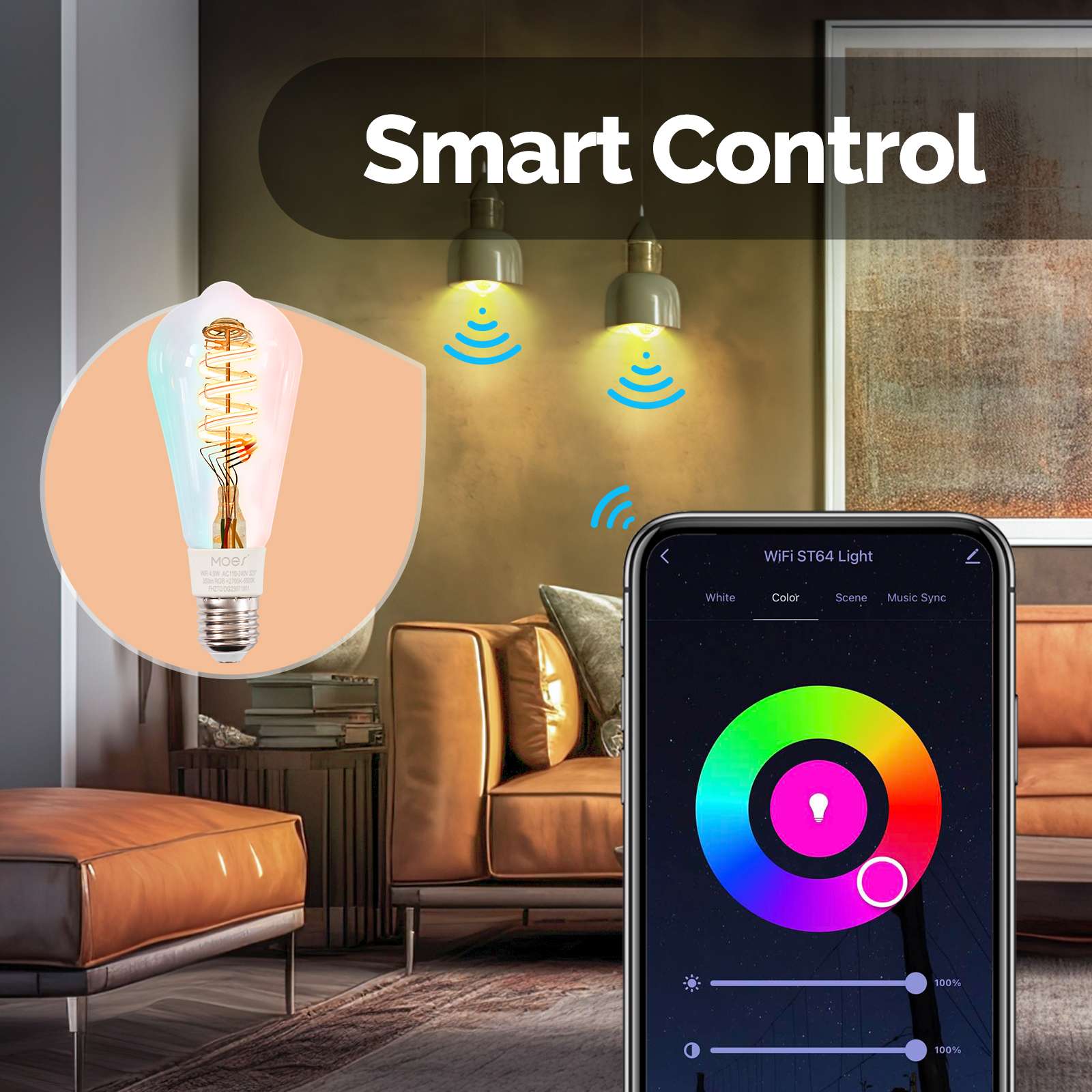
This is where the LumiMuse WiFi Smart ST64 Bulb offers a significant technological leap. By integrating the dimming logic directly into the bulb's firmware via the LumiMuse App, these bulbs bypass the physical wall dimmer entirely. You can achieve 1% to 100% brightness stability without upgrading your building's electrical wiring.
Furthermore, the ability to schedule lighting changes (e.g., bright Cool White 6500K for morning cleaning, transitioning to Warm White 2700K for evening service) provides an operational flexibility that fixed-filament bulbs cannot match.
📺 Related Video: WiFi E27 Smart Edison LED Light Bulbs 16 Million RGB Color Changing 2700K-6500K Dimmable app control demo
Implementation: Best Use Cases for Each Brand
To maximize your Return on Investment (ROI), map the bulb attributes to your specific "Zones of Application."

- Choose Brightech when: You are lighting an outdoor patio, pergola, or high-traffic area where glass breakage is a liability. Their durability is unmatched for retrofitting A19 sockets in exposed environments.
- Choose Hudson Lighting when: You need a static, always-on vintage look for indoor sconces or chandeliers where the bulb is the centerpiece of the design.
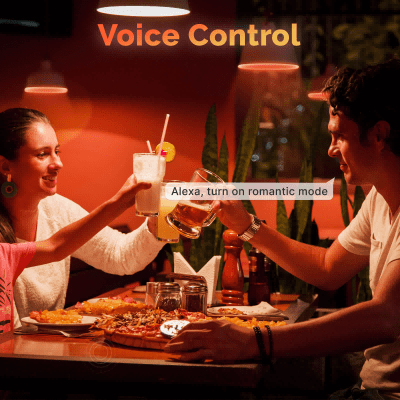
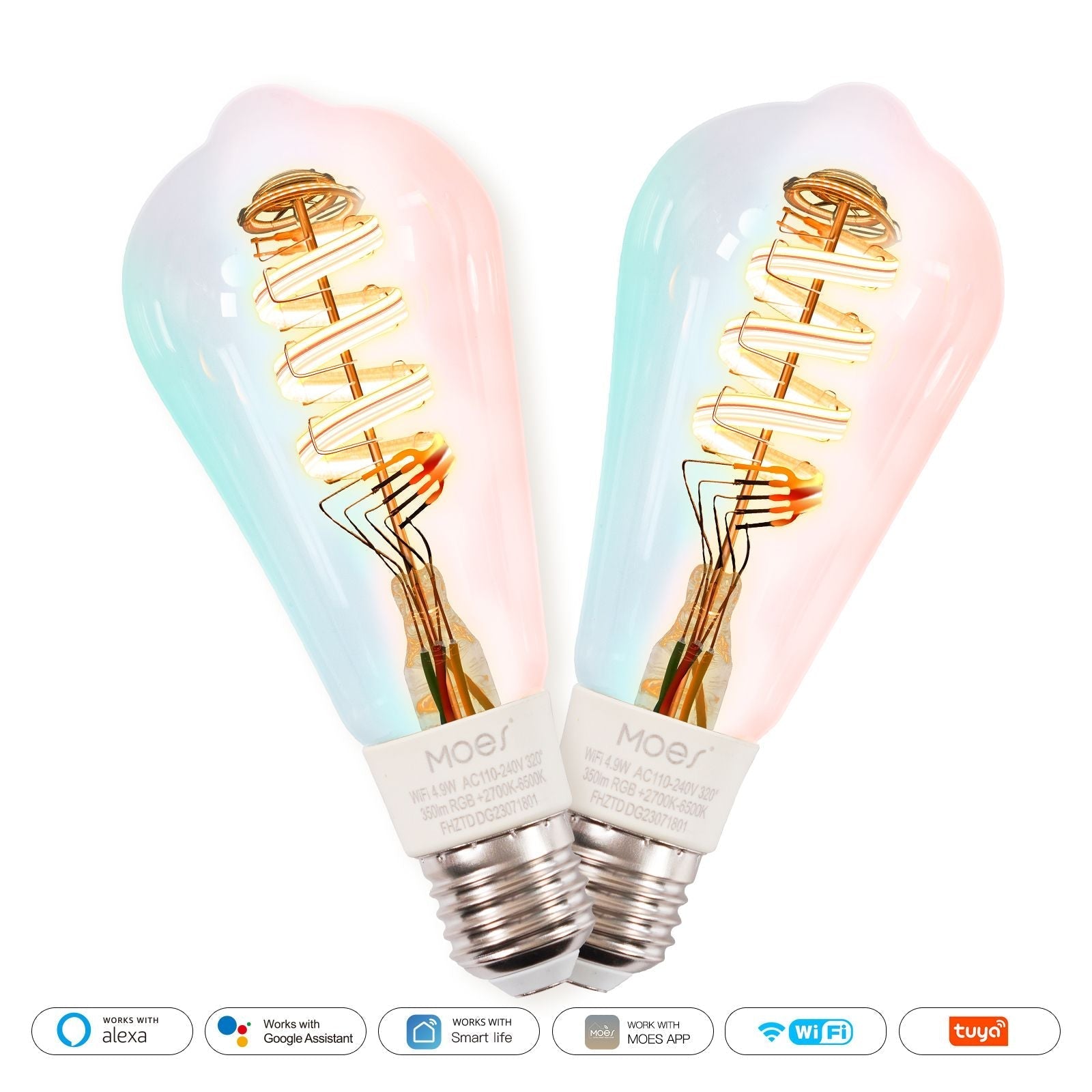
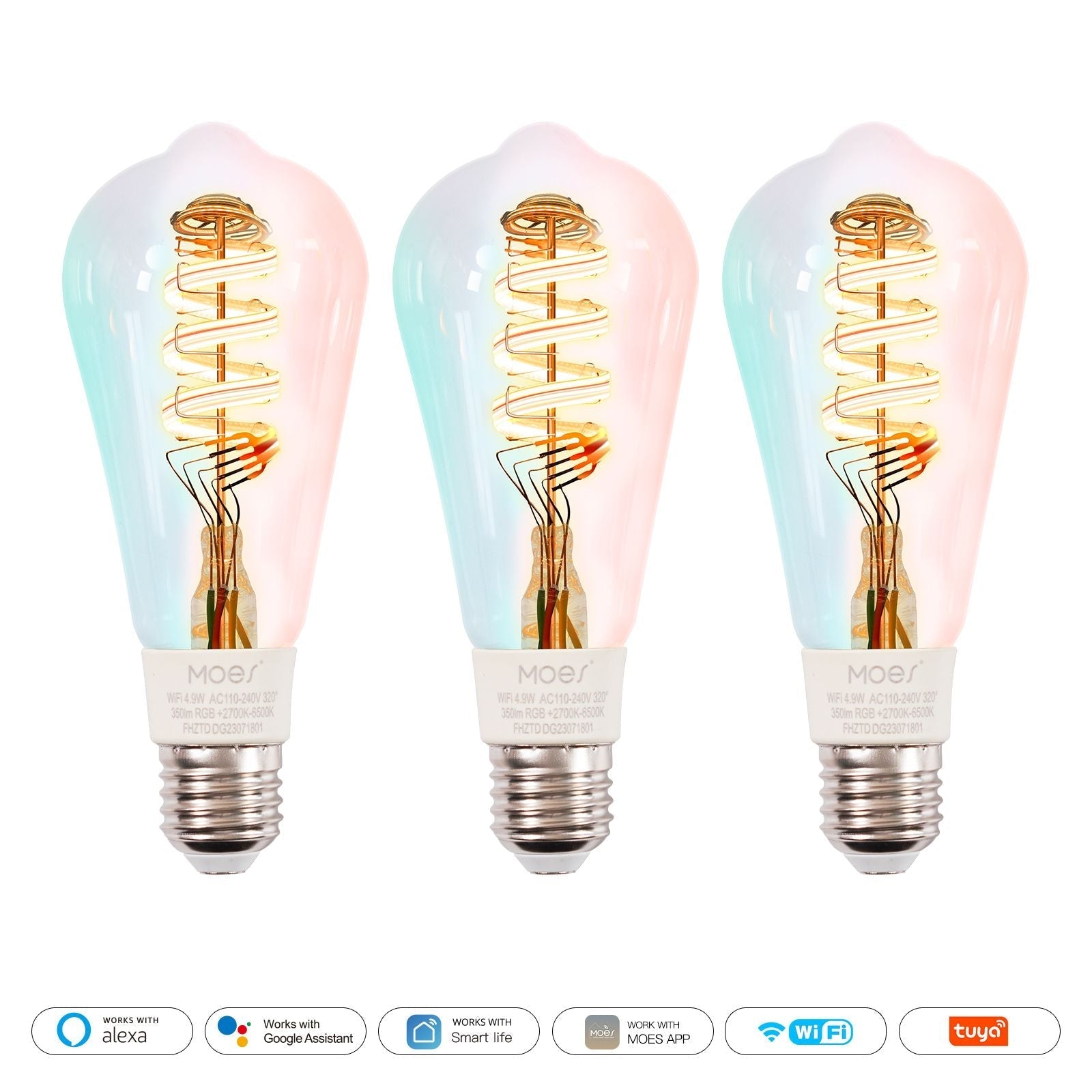
- Choose LumiMuse Smart Bulbs when: You need versatility. If your space transitions from a workspace in the day to a lounge at night, the Tunable White (2700K-6500K) and 16 Million RGB Colors allow you to change the entire mood of the venue instantly via voice control (Alexa/Google Home) or smartphone.
Conclusion
Ultimately, the battle between Brightech and Hudson Lighting comes down to environment: Brightech for resilience and Hudson for static vintage beauty. However, for the modern cafe owner who demands control over every pixel of their customer's experience, the LumiMuse WiFi Smart ST64 represents the future. By moving beyond fixed filaments to programmable atmospheres, you turn your lighting from a utility into a competitive advantage.
Ready to upgrade your atmosphere? Explore our Smart Edison Collection to see how technology can enhance vintage charm.