I. Introduction
School administrators are no longer just managing buildings; they are effectively managing biological environments. For decades, the metric for school lighting was simple: is it bright enough to read? Today, the science of photobiology has revealed that lighting is the "hidden lever" in student performance, regulating everything from sleep cycles to cognitive processing speed.
What is tunable white lighting in Schools?
Tunable white lighting is a high-performance LED system that allows for the dynamic adjustment of Correlated Color Temperature (CCT) and luminous intensity. In educational settings, solutions like those from Acuity Brands enable facilities to shift from warm, amber light (2700K) for calming activities to cool, blue-enriched light (5000K-6500K) to enhance student alertness and circadian synchronization.
The challenge, however, has always been complexity. This article outlines the roadmap for implementing Human-Centric Lighting (HCL), moving from the biological science of circadian rhythms to the specific, ease-of-use advantages offered by Acuity Brands’ nLight® platform and Mainstream Dynamic technologies.
II. The Biological Attribute: Circadian Rhythm Entrainment
To understand the ROI of tunable white lighting, one must understand the biological attribute it targets: the circadian rhythm. The human body uses light as the primary "zeitgeber" (time-giver) to regulate the sleep-wake cycle.

The Impact of CCT on Learning
Historically, schools utilized static fluorescent tubes (often 3500K or 4000K) that provided neither the relaxation of warm light nor the biological potency of daylight. Tunable white lighting changes this paradigm. By utilizing high-CCT light (5000K+) during the morning hours, schools can suppress the production of melatonin—the sleep hormone—and promote cortisol, which creates a natural state of alertness.
Spectral Power Distribution (SPD) and Melanopic Lux
It is not enough for a light to simply look white. The Spectral Power Distribution (SPD) of the fixture must be engineered to target the non-visual photoreceptors in the eye (ipRGCs). This is measured in Melanopic Lux. Acuity Brands’ fixtures are designed to deliver high circadian stimulus (CS) values in the blue spectrum without causing visual glare (UGR), ensuring that the light effectively signals the biological clock to "wake up" without straining the eyes.
Quick Reference Table: CCT vs. Student Behavior
| CCT Range (Kelvin) | Visual Appearance | Intended Student Behavior | Best Application |
|---|---|---|---|
| 2700K - 3000K | Warm White / Amber | Calming / De-escalation | Post-recess cool down, storytelling, behavioral intervention. |
| 3500K - 4000K | Neutral White | General Function | Hallways, cafeteria, routine transitions. |
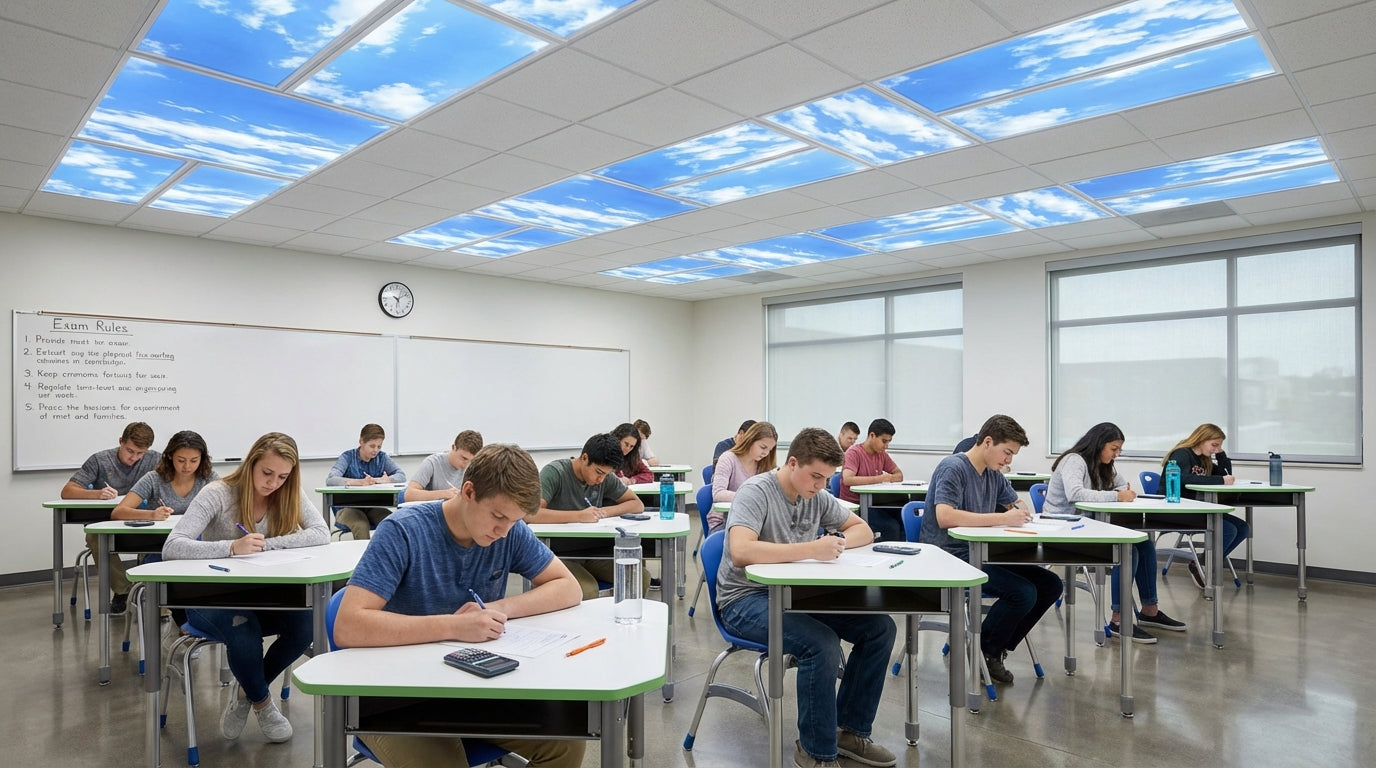
| 5000K - 6500K | Cool White / Daylight | Focus / Alertness | Standardized testing, STEM labs, morning arrival (circadian entrainment). |
III. The Acuity Brands Advantage: Mainstream Dynamic & nLight®
Many schools hesitate to adopt tunable white lighting due to perceived costs and complexity. Acuity Brands addresses this with Mainstream Dynamic, a technology architecture that simplifies the installation of dynamic lighting.
Mainstream Dynamic Technology
Mainstream Dynamic moves the complexity of color tuning from the external controls into the driver and fixture itself. This "all-in-one" approach means that a tunable white fixture installs as easily as a standard static fixture. This drastically reduces the labor costs associated with specialized wiring, making tunable white lighting affordable for public school budgets.
Control Logic: The nLight® Networked System
Hardware is only half the equation; control logic is the other. The nLight® networked lighting control (NLC) platform serves as the central nervous system of the school.
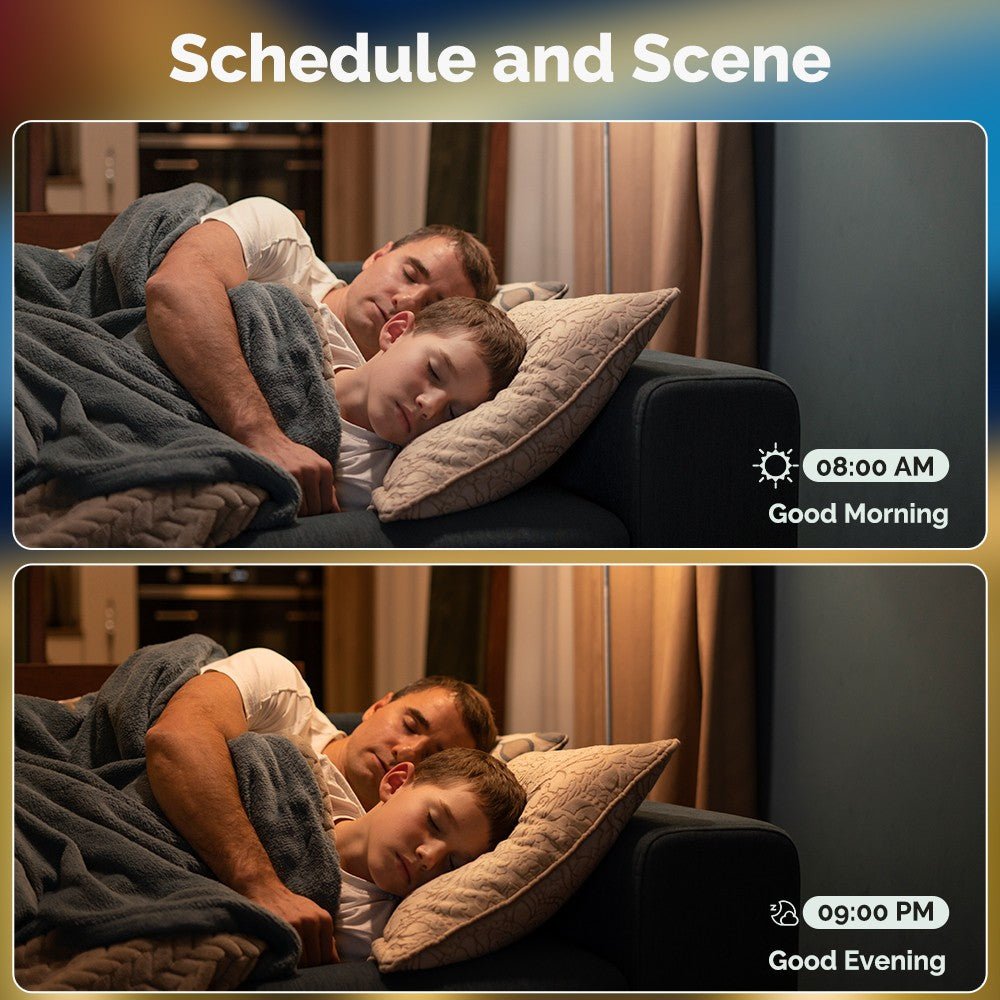
- District-Wide Scheduling: Administrators can push a global schedule across an entire campus or district.
- Granular Control: While the schedule runs automatically, teachers retain local overrides via nPod wall stations.
Data Insight: Research from the Lighting Research Center (LRC) suggests that tunable lighting in classrooms can contribute to higher reading speeds and significant reductions in fidgeting, much like the precision found in modern LED panel lights.
IV. Solving the "Implementation Gap"
The "Implementation Gap" occurs when schools install sophisticated technology that goes unused because it is too difficult for staff to operate.

Reducing Teacher Cognitive Load
A teacher’s cognitive load is already maxed out. They cannot be expected to act as lighting designers. Acuity Brands solves this through Digital Programming and intuitive user interfaces. Instead of fumbling with sliders, nLight wall stations are labeled with semantic outcomes:
- "Focus" (triggers 5000K at 100% intensity)
- "AV Mode" (dims lights near screens)
- "Calm" (triggers 2700K at 50% intensity)
{{VIDEO: Tuya Matter WiFi Smart LED E27 Dimmable Light Bulbs RGB 2700K-6500K W+C [Action]}}
Infrastructure Synergy
For facilities managers, the value lies in integration. Acuity’s systems communicate via BACnet, allowing the lighting network to share occupancy data with HVAC and Security systems.
V. Strategic Implementation: From Audit to Classroom
Implementing a tunable white lighting system requires a strategic approach. It is rarely feasible to overhaul an entire district overnight.
1. Identifying High-Impact Zones
Begin with areas where biological impact is highest, such as Special Education (SPED) rooms, STEM Labs, and windowless classrooms.
2. Retrofit Solutions and Pilot Testing
For schools not ready for a full nLight infrastructure overhaul, or for specific standalone areas like counselor rooms, smaller-scale retrofits are a viable entry point.
Agile Retrofit Option:
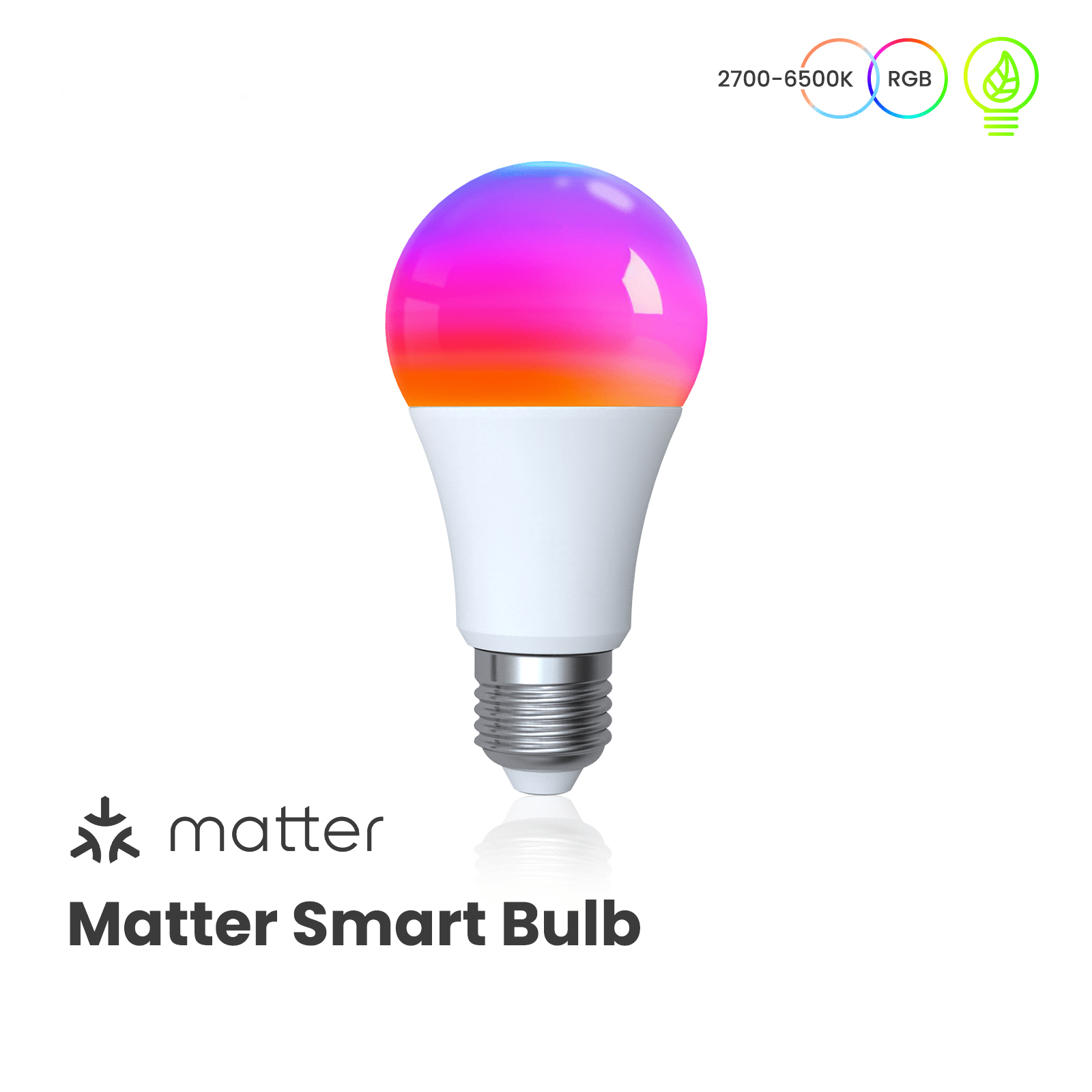
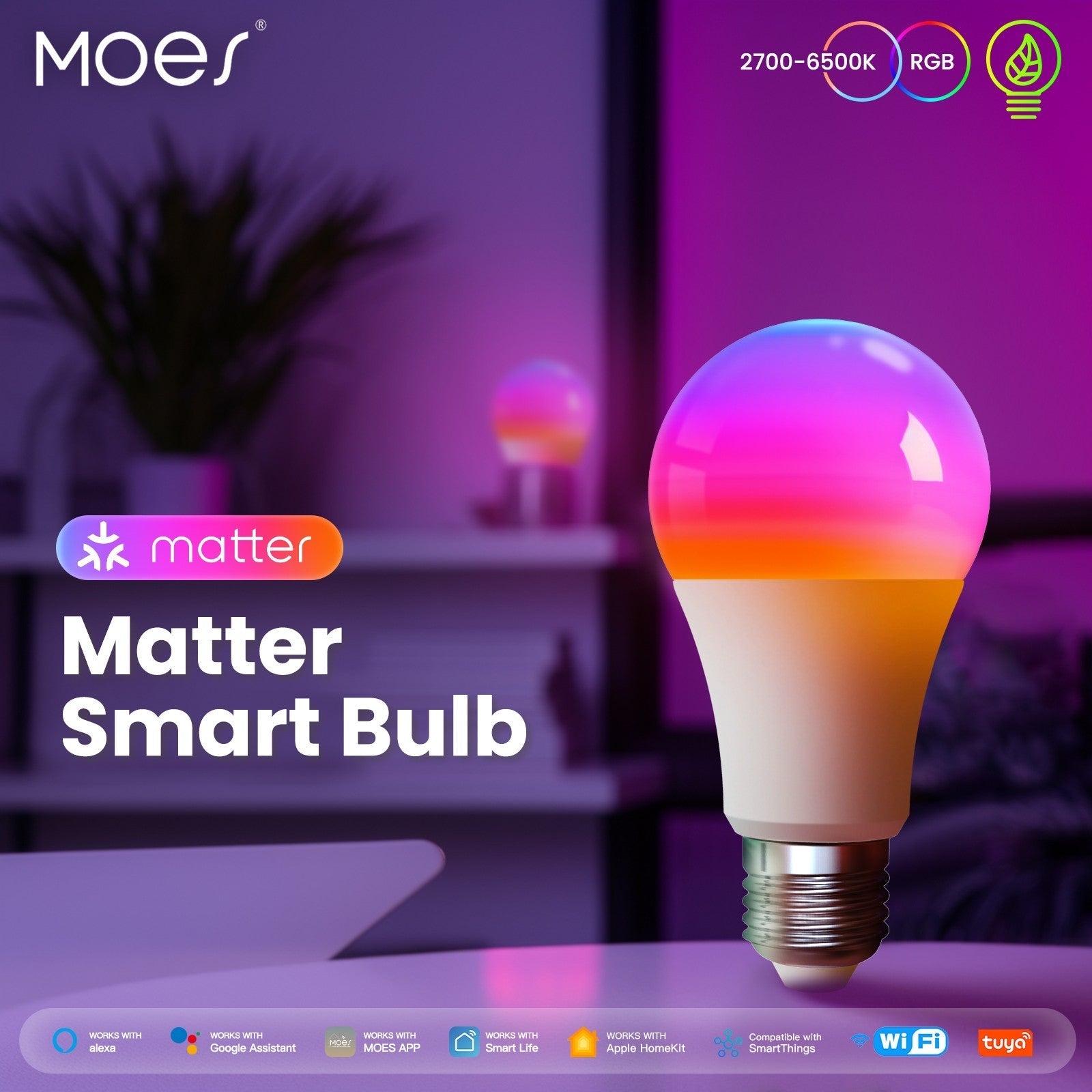
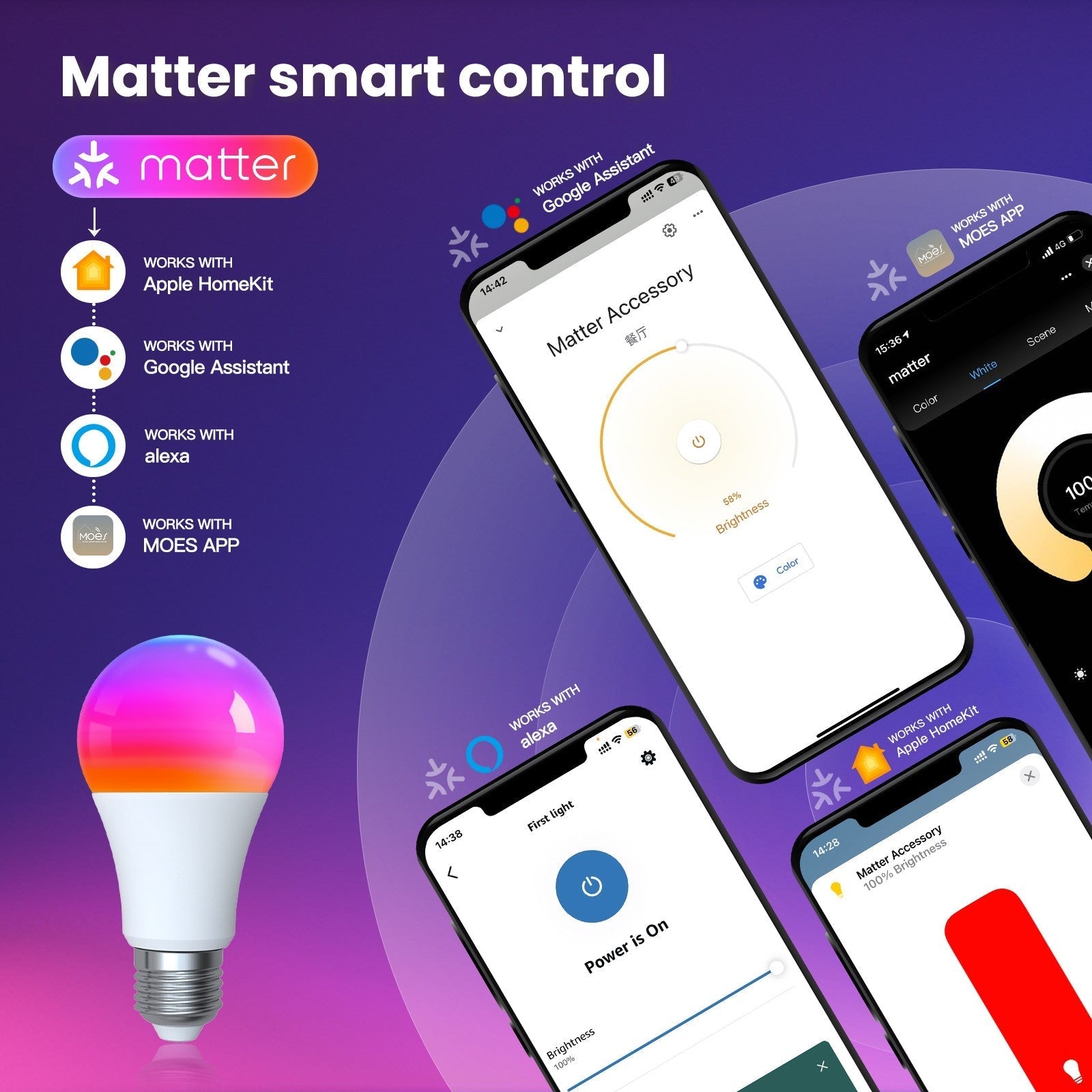
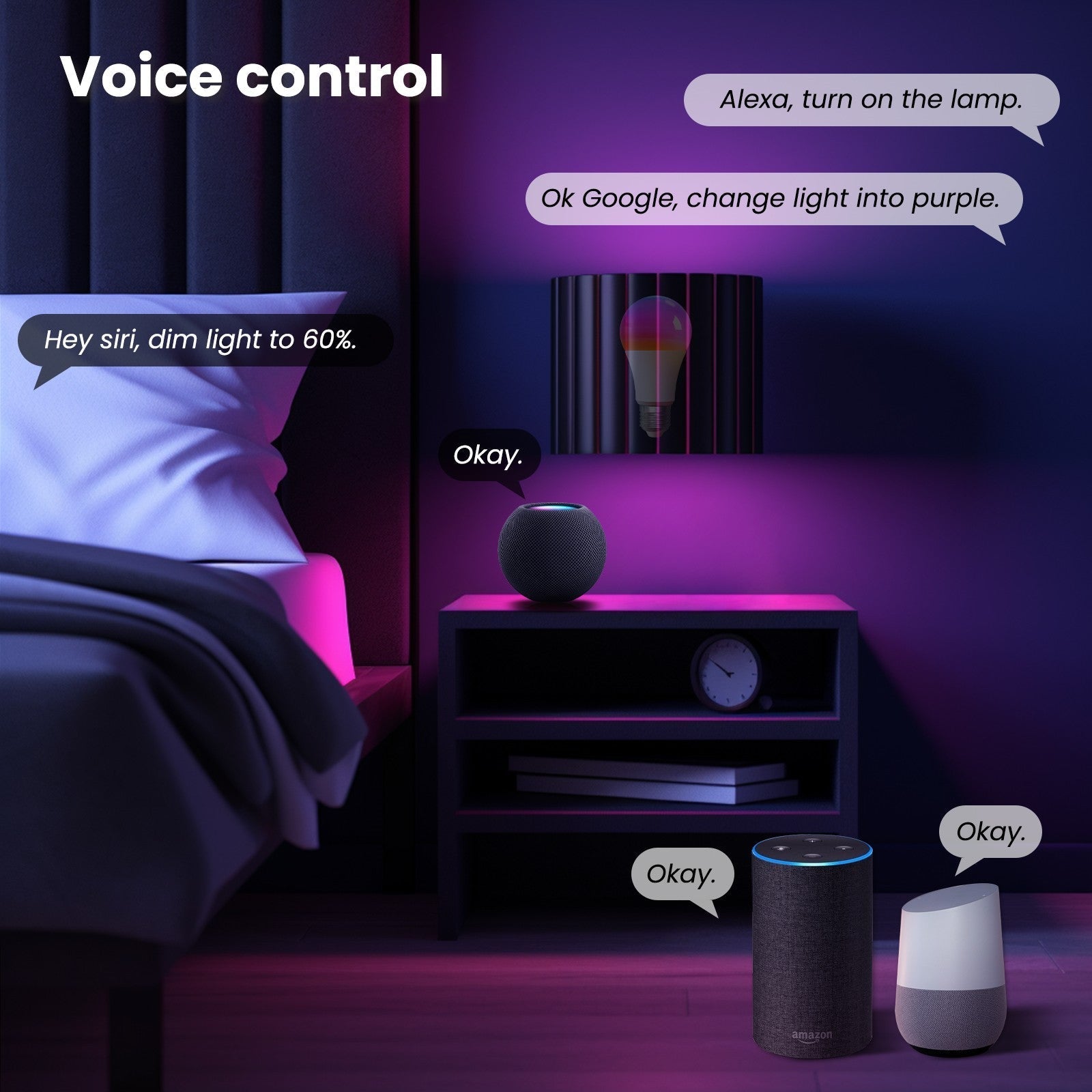
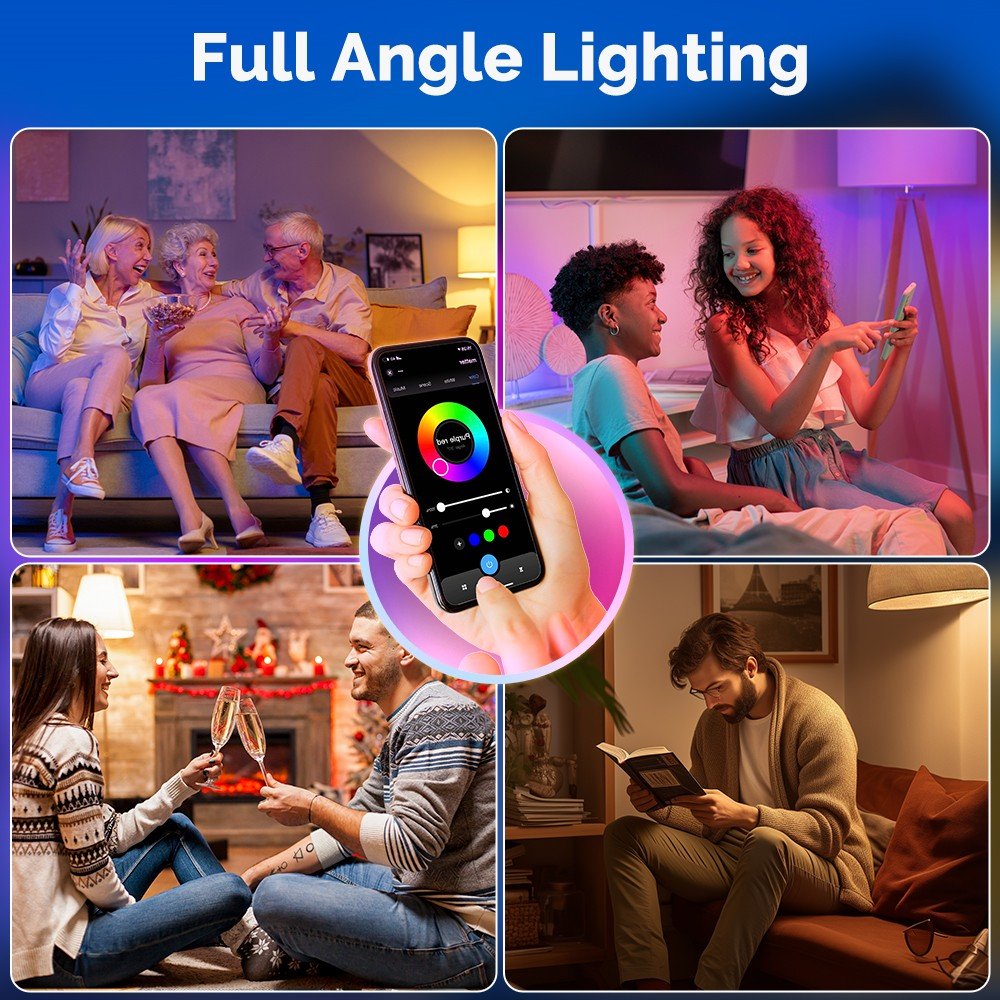
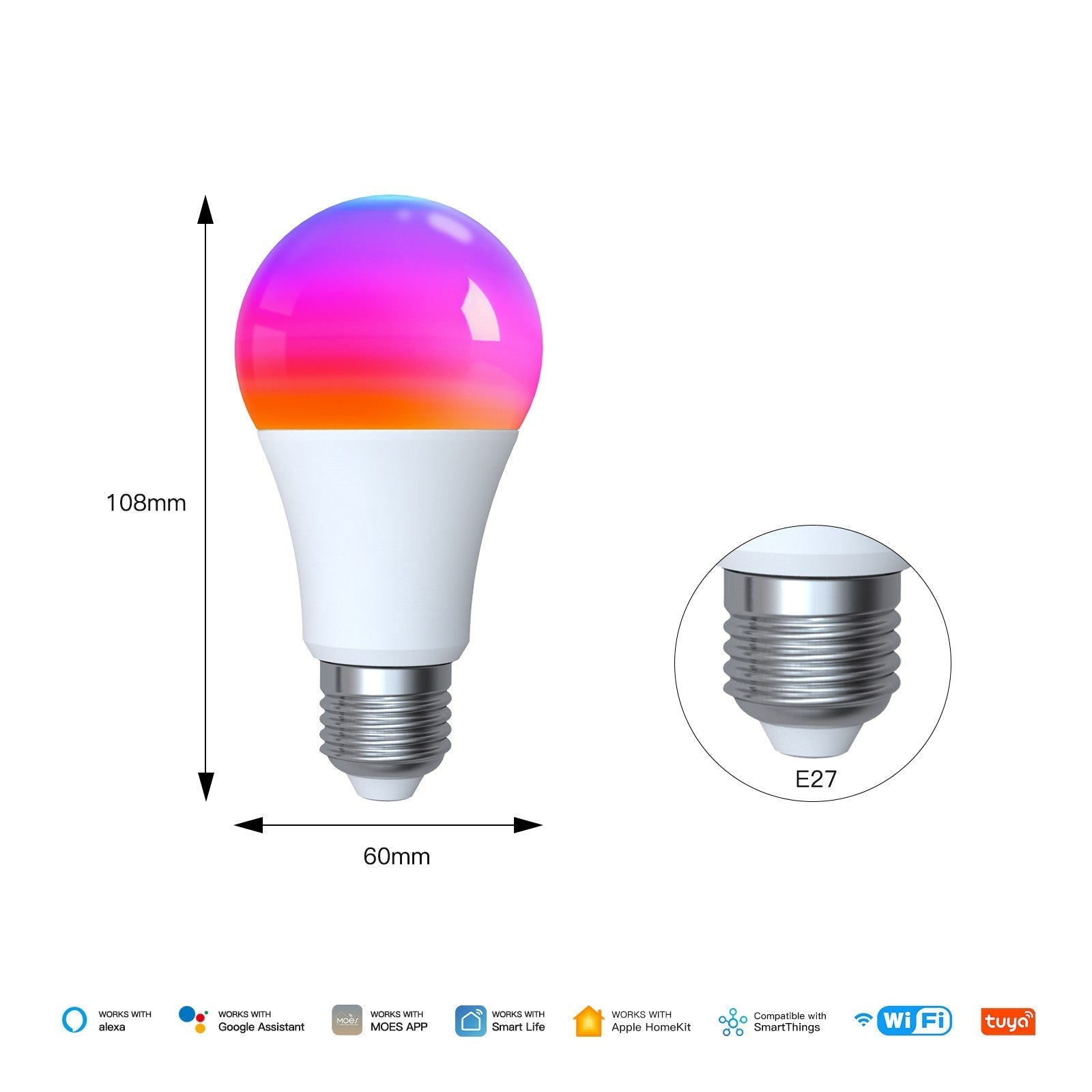
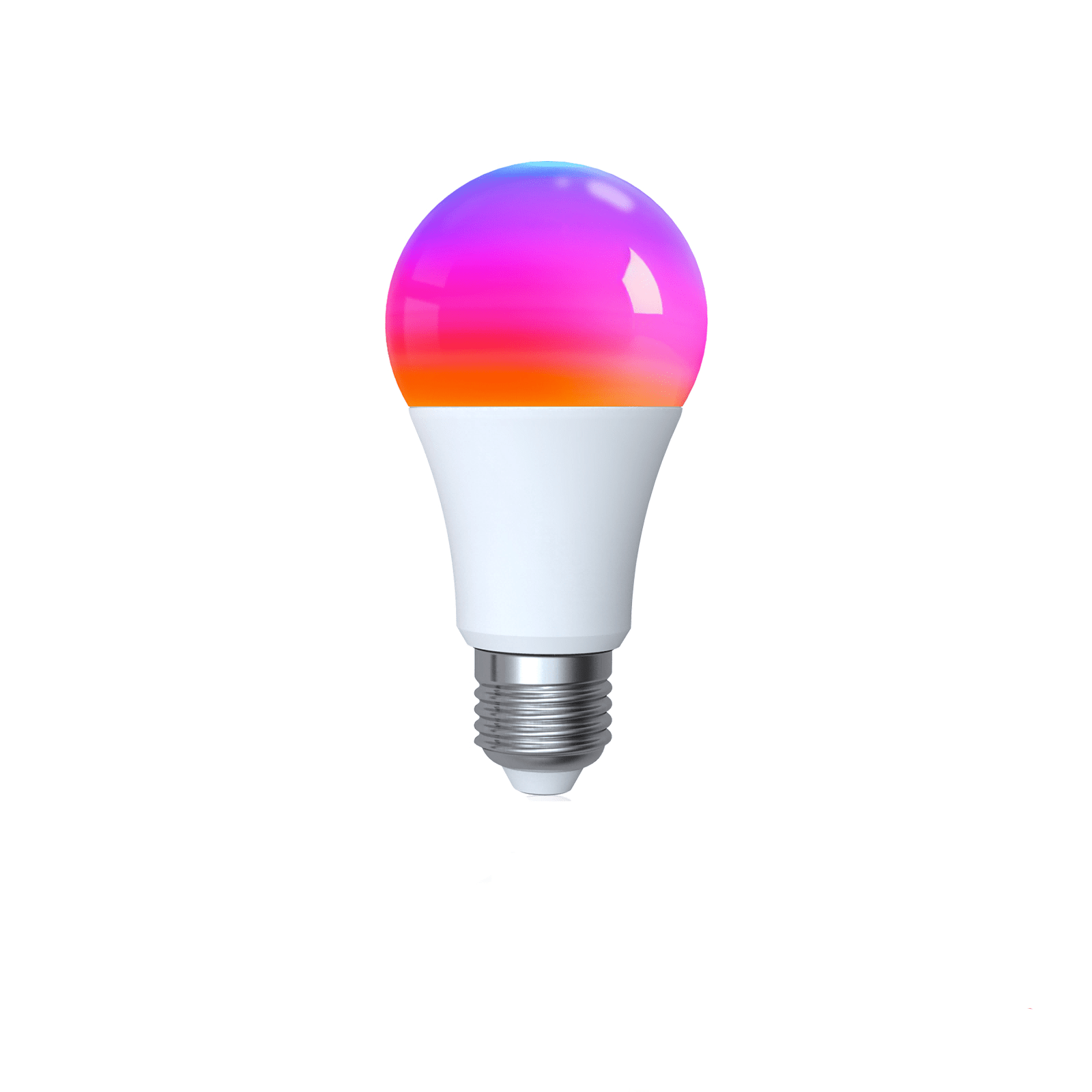
For individual lamps or small breakout areas where hardwired controls are impossible, products like the Tuya Matter WiFi Smart LED E27 Dimmable Light Bulbs offer an immediate solution. These bulbs cover the full 2700K-6500K spectrum and integrate via Matter/WiFi.

3. The 4-Step Implementation Roadmap
- The Lighting Audit: Measure current foot-candles and Melanopic Lux levels.
- The Pilot Program: Retrofit 2-3 "High-Impact Zones" using Acuity fixtures or flexible smart bulbs.
- Teacher Feedback Loop: Collect behavioral and utility data for one semester.
- District-Wide Rollout: Use pilot data to justify campus-wide integration during renovation cycles.
VI. Conclusion
Tunable white lighting is more than an infrastructure upgrade; it is an investment in human capital. By moving away from static, industrial lighting and adopting dynamic systems, schools can create environments that biologically support learning rather than hindering it.
Through Acuity Brands’ Mainstream Dynamic technology, the barrier to entry—complexity—has been removed. Whether through a comprehensive networked system or strategic spot-retrofits, the ability to control the spectrum of light is now within reach of every school district.
Ready to modernize your learning environment? Request a comprehensive "Lighting Audit & Circadian Strategy Session" with an Acuity Brands educational specialist today to begin your transition to human-centric lighting.