
Strategic Summary: Deciding between surface mount and recessed lighting often comes down to ceiling height and structural access. This guide compares installation costs, visual impact, and the "Canless" revolution that is bridging the gap between these two fixtures.
I. Introduction
You are standing in the middle of a room, looking up. You have two fears: turning your ceiling into "Swiss cheese" with too many holes, or clamping a bulky fixture onto a low ceiling that makes the room feel claustrophobic.
This is the classic dilemma of Surface Mount vs. Recessed Lighting. For years, the choice was binary: expensive, invasive renovation for recessed "cans," or a quick-and-dirty fixture swap for surface mounts. But in 2026, the technology has shifted.
What is the Difference?
Direct Answer: The primary difference between surface mount vs recessed lighting is the installation method and visual profile. Recessed lighting is installed inside the ceiling, sitting flush with the drywall to create a clean, spacious look ideal for low ceilings. Surface mount lighting attaches to the ceiling surface (via a junction box), acting as a decorative element and providing wider light dispersion, but occupying physical headroom.
This guide analyzes the cost, installation complexity, and light quality of both entities to help you decide.
II. Visual Impact: Ceiling Height and Spatial Perception
Lighting is not just about illumination; it is about volume. The physical footprint of your fixture dictates how large a room feels.
The "Headroom" Attribute
Standard ceilings in many older homes are 8 feet (2.4 meters). A surface mount fixture typically drops 4 to 12 inches from the ceiling.
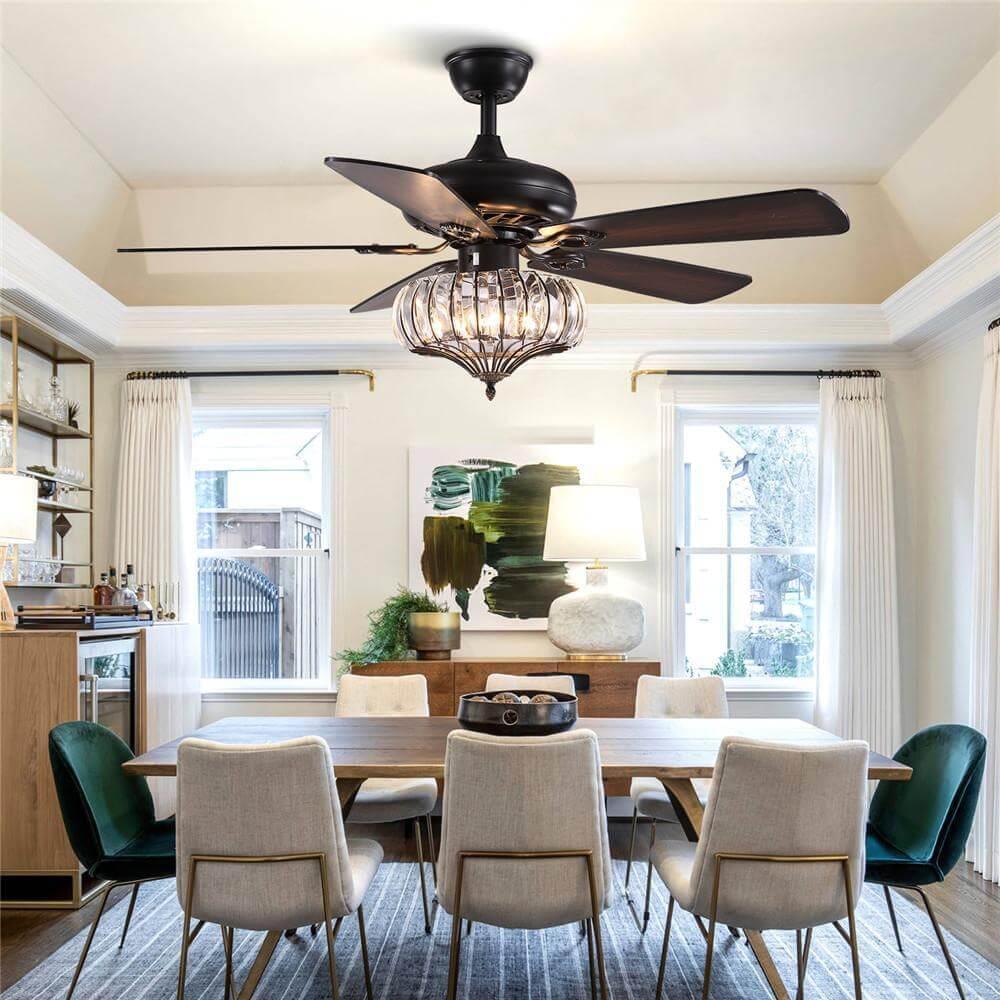
- Surface Mount Risk: In an 8-foot room, a 12-inch fixture leaves only 7 feet of clearance. Tall guests may instinctively duck, and the room feels vertically compressed.
- Recessed Benefit: Recessed lights are "invisible" hardware. By tucking the mechanics into the plenum (the space between the ceiling and the floor above), you reclaim vertical space, making low ceilings feel significantly higher.
Aesthetic Function: Architecture vs. Decoration
- Recessed Lighting (Architectural): These fixtures are designed to disappear. They draw attention to what they light (art, countertops, floors), not the light itself. They are the standard for modern, minimalist design.
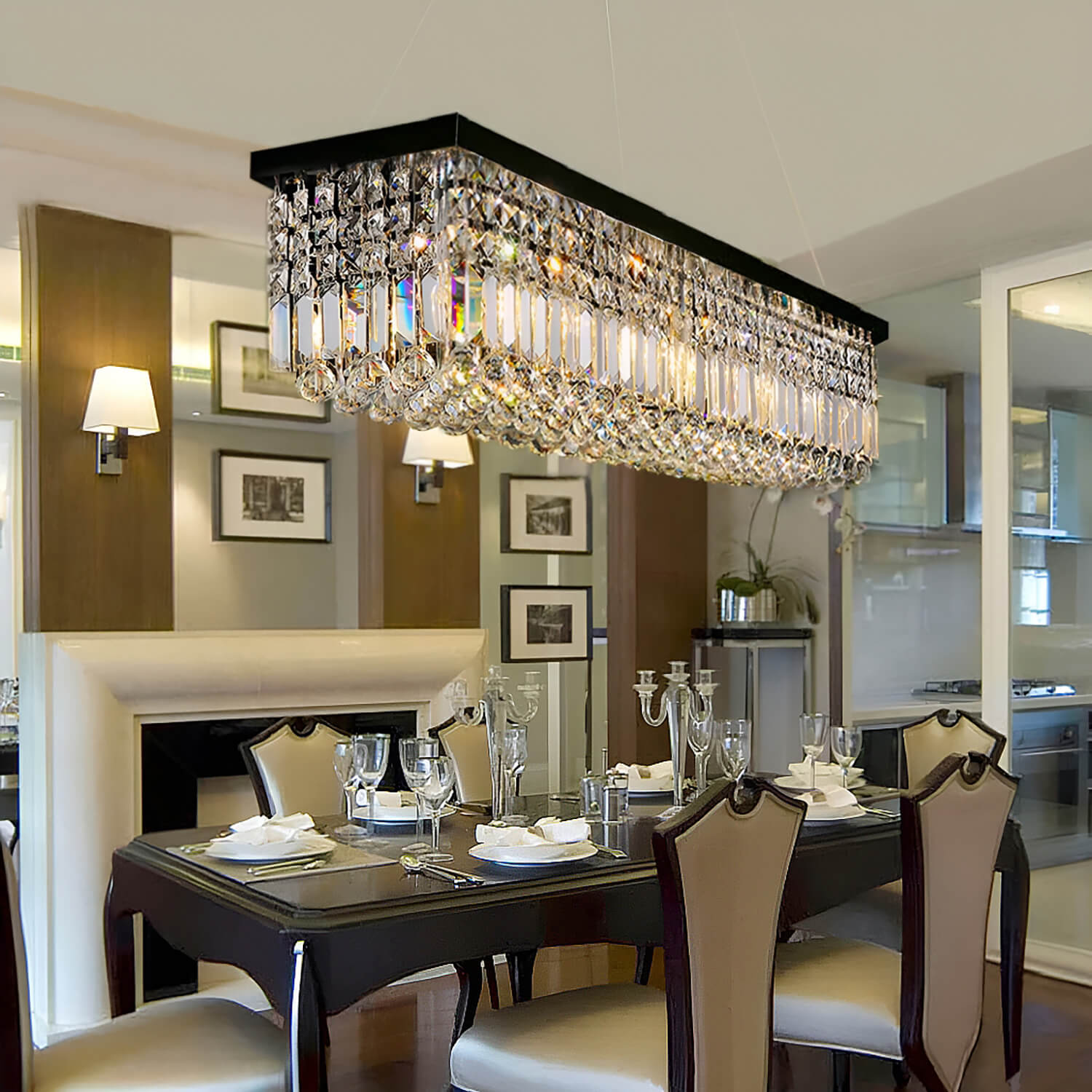
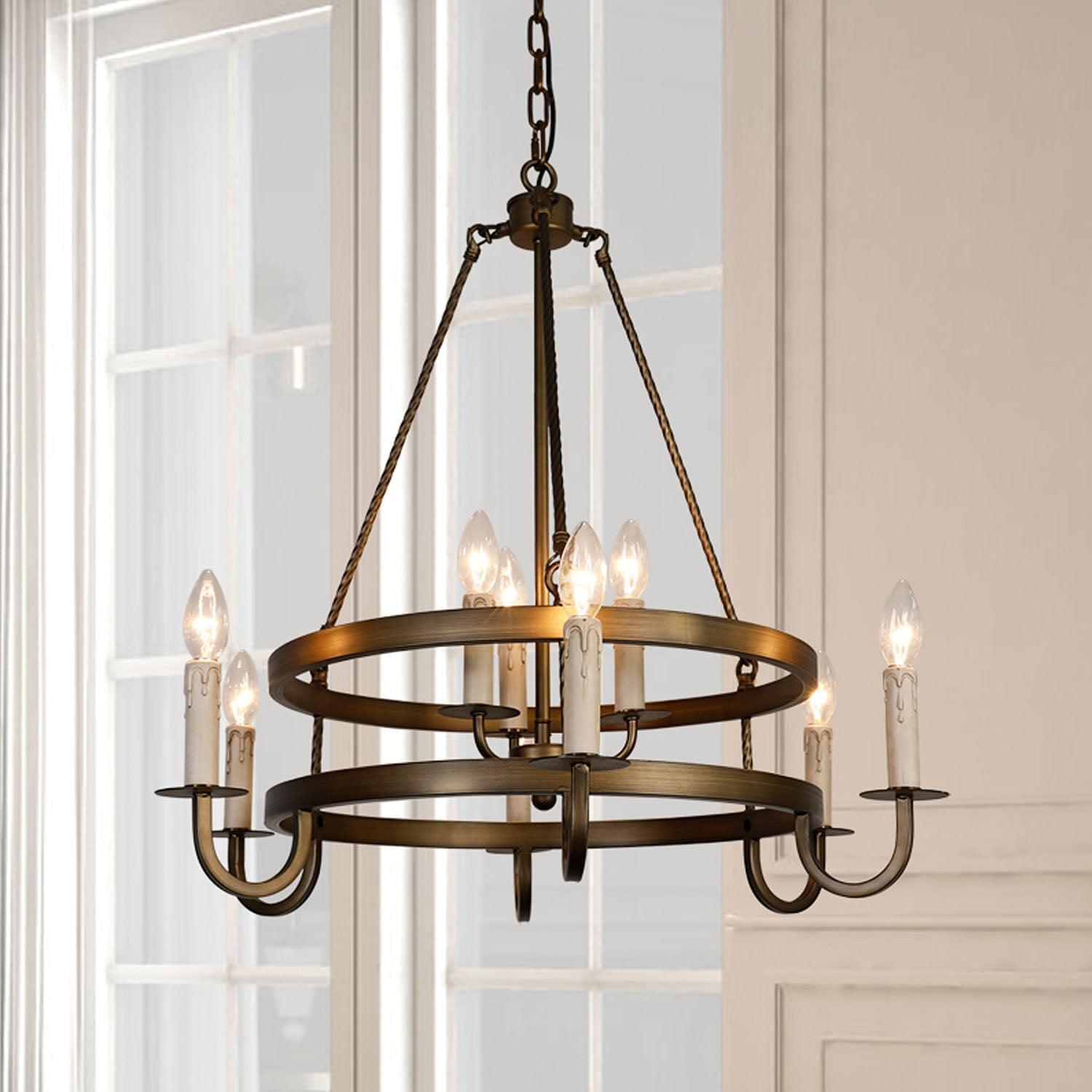
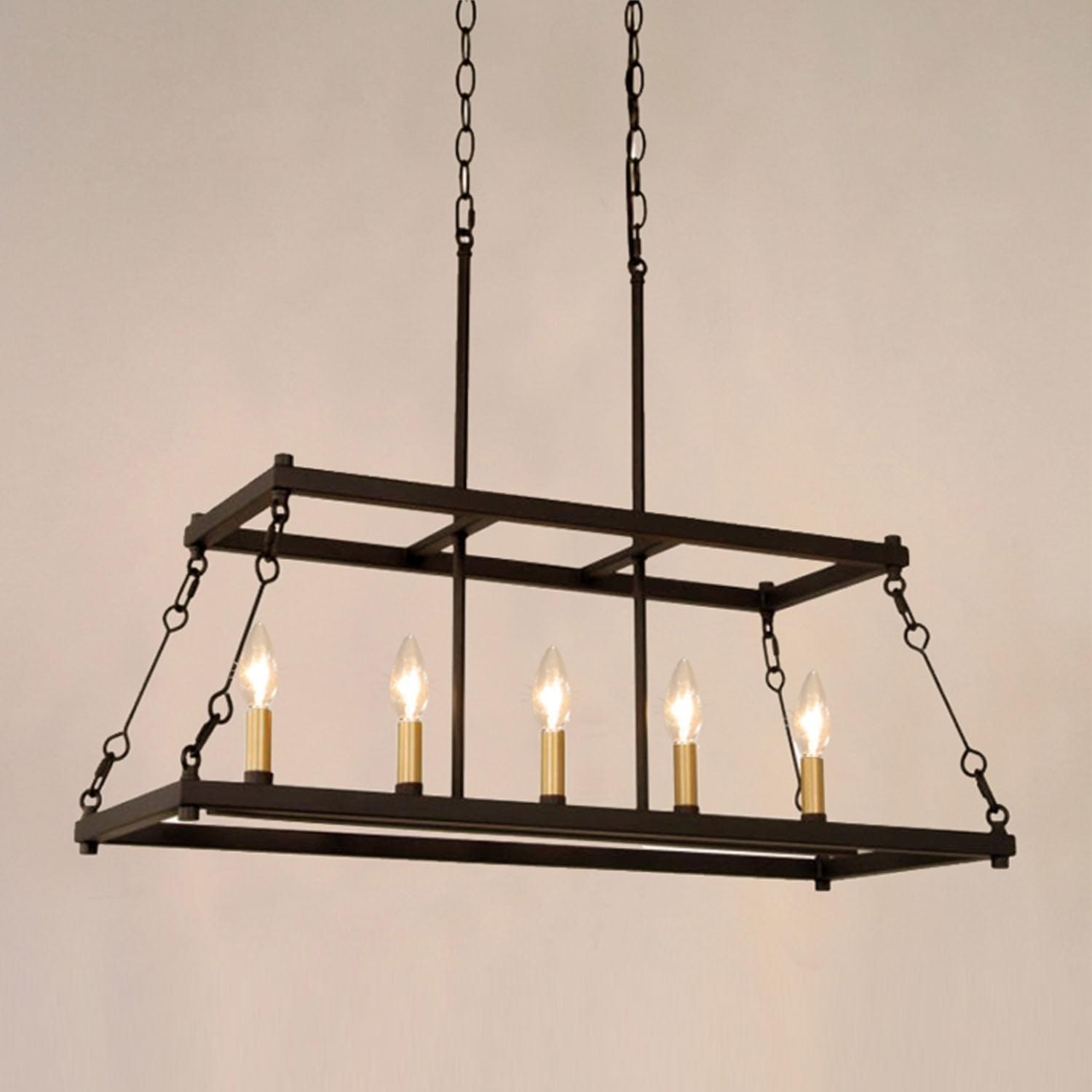
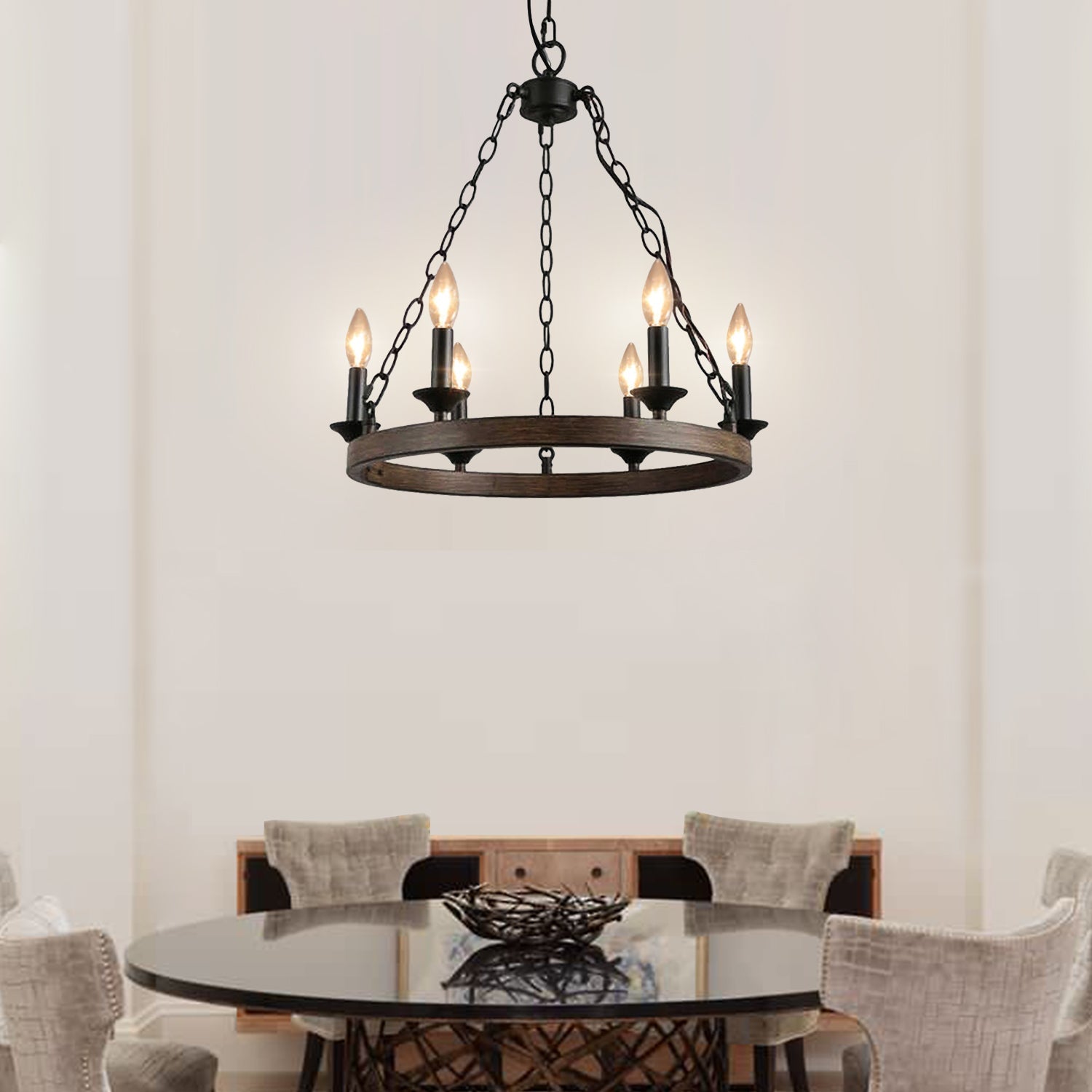
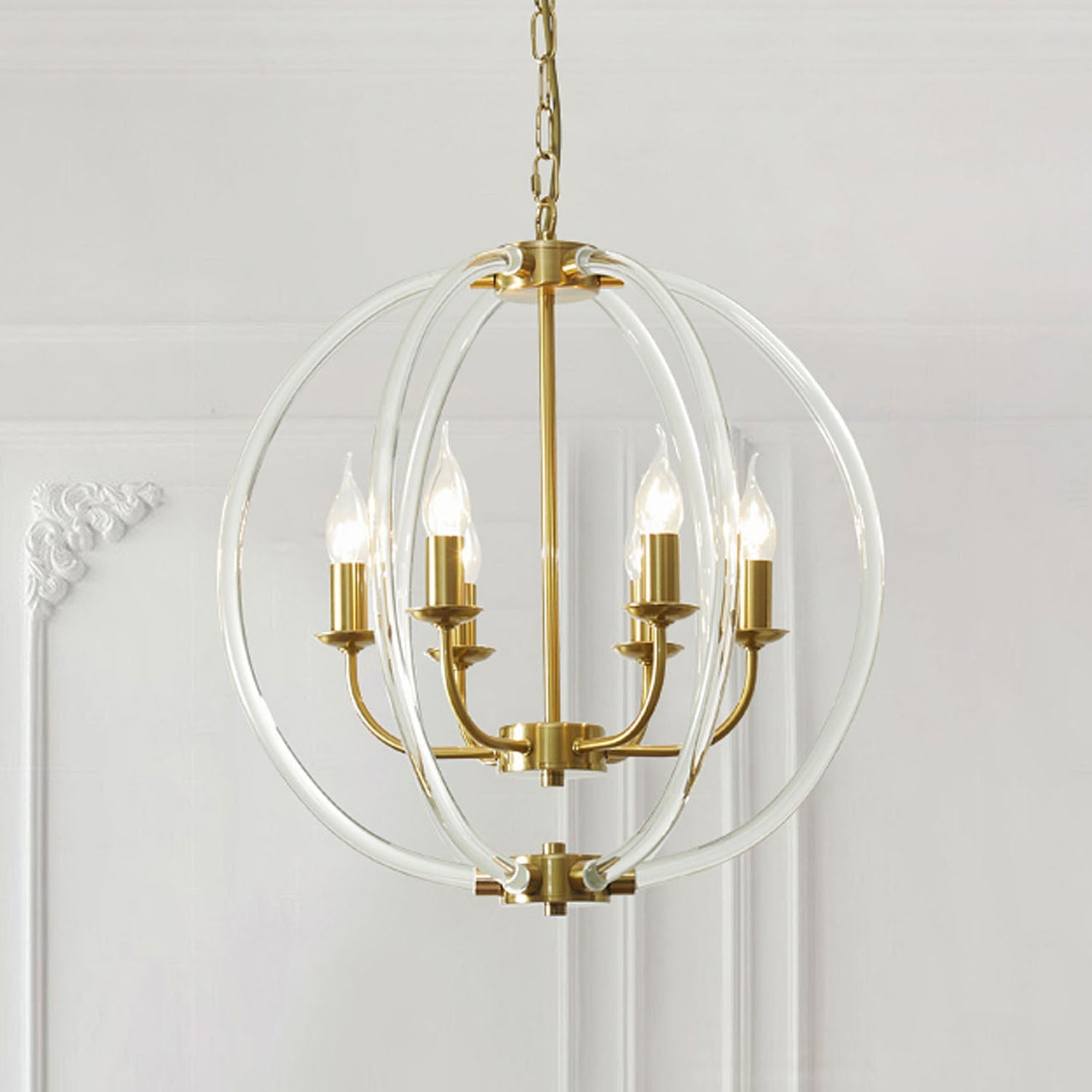
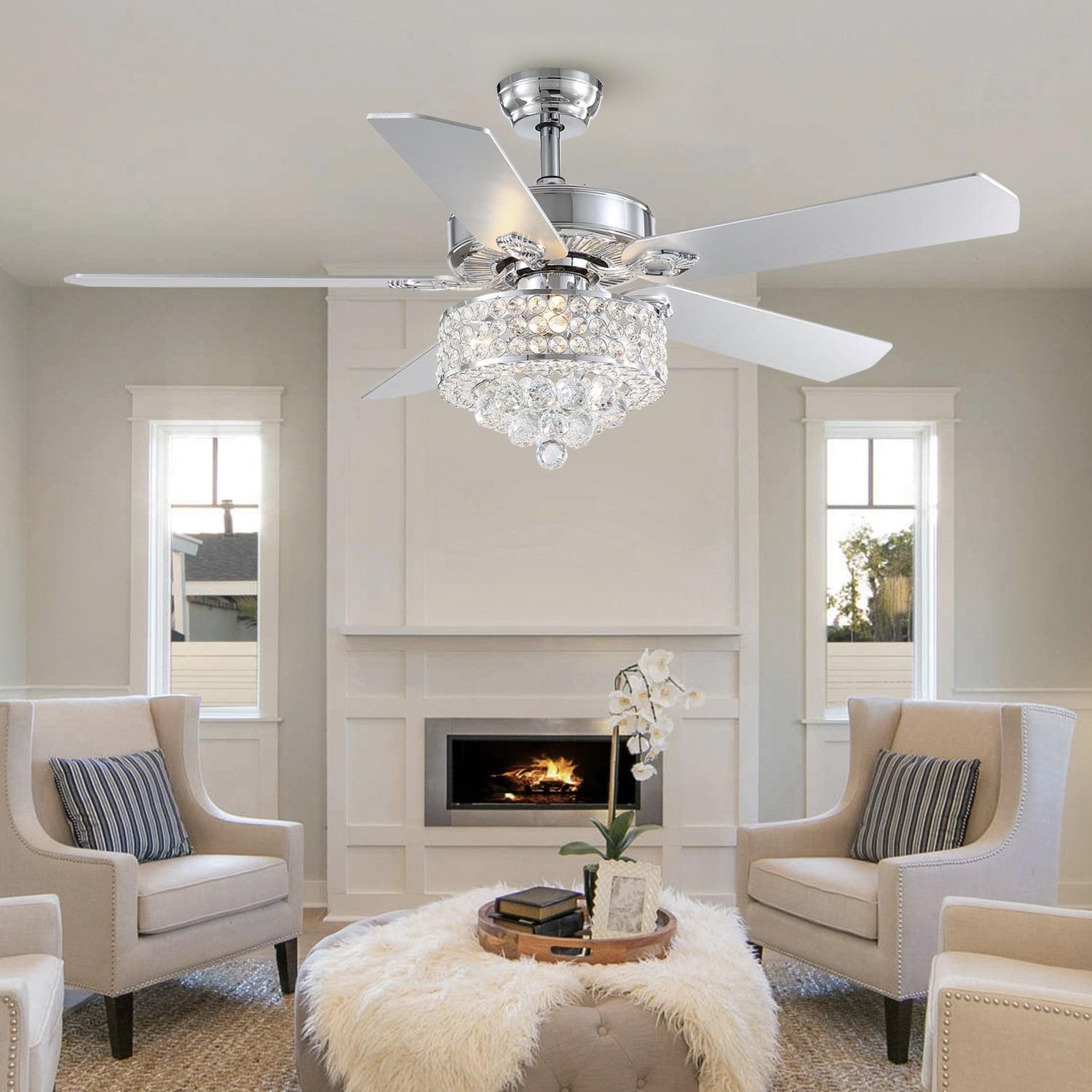
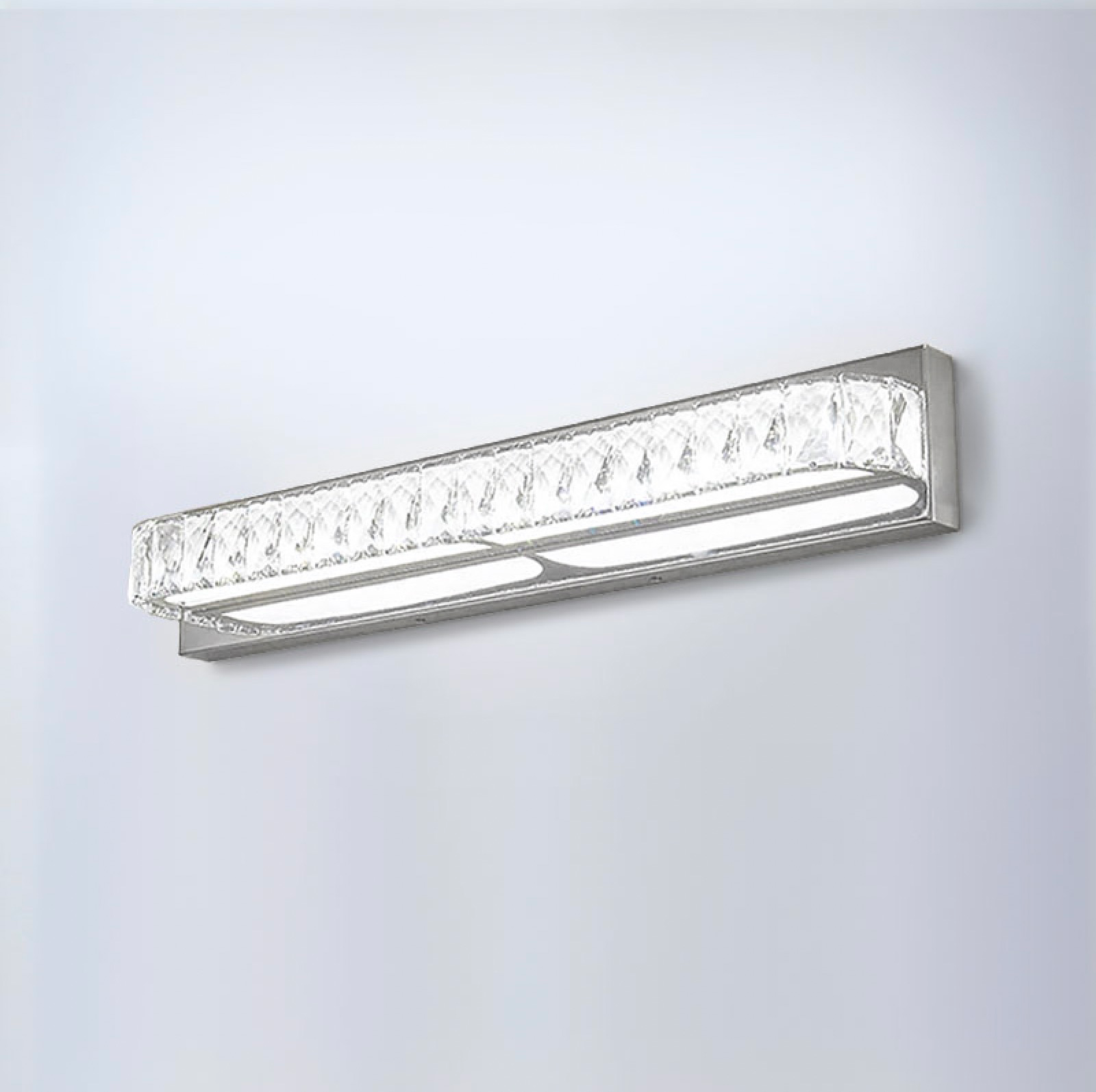
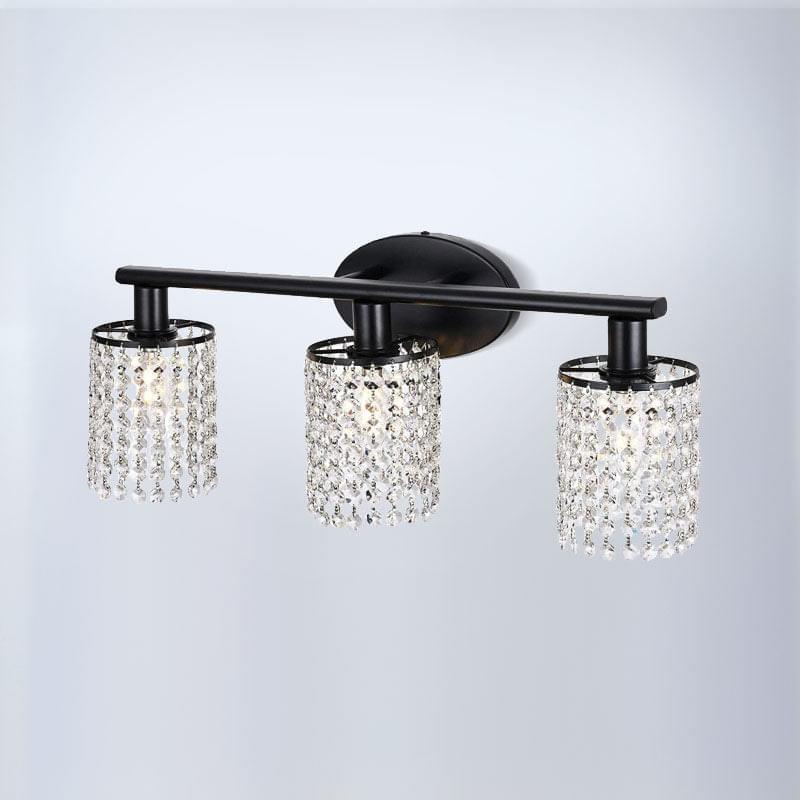
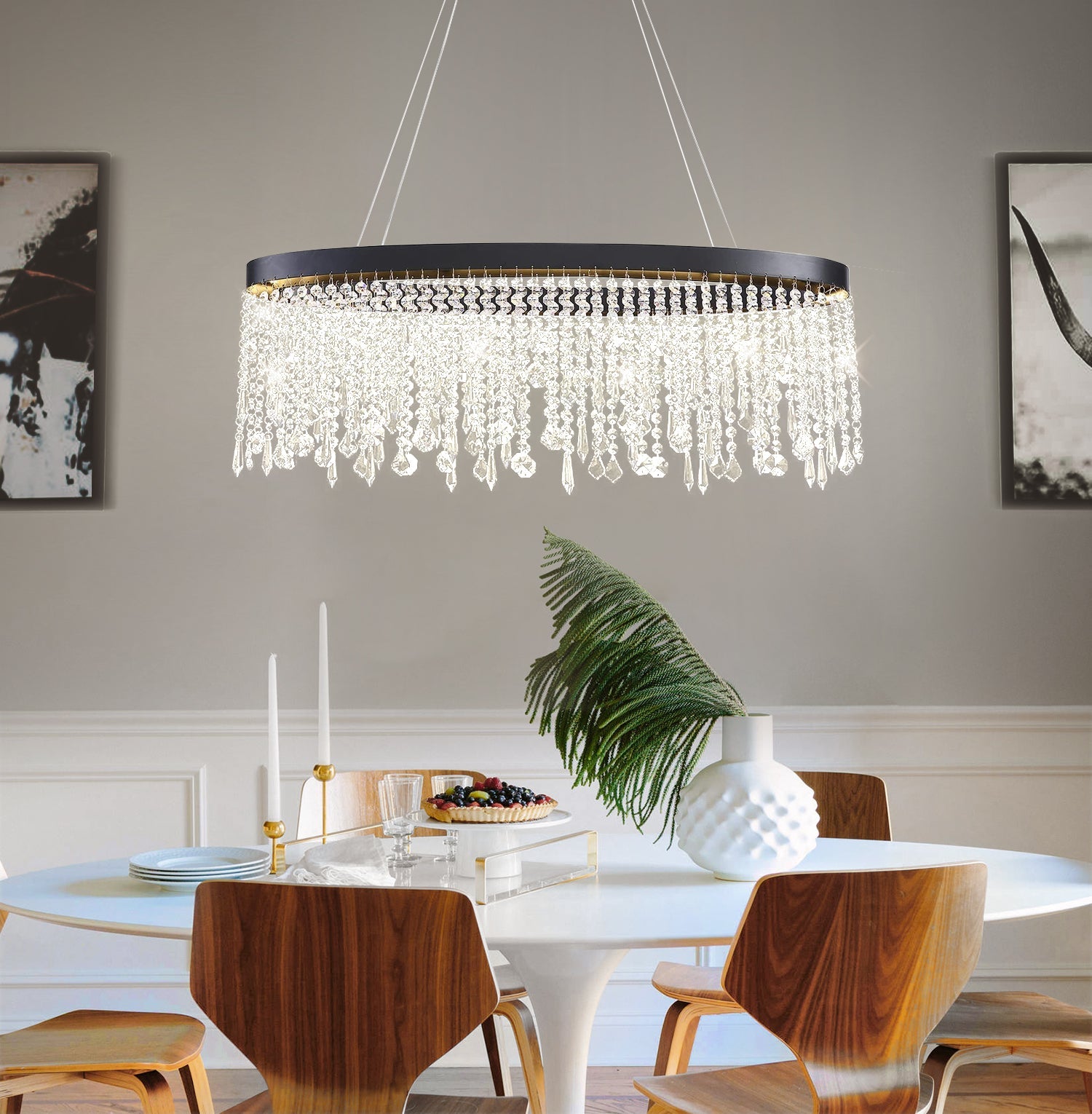
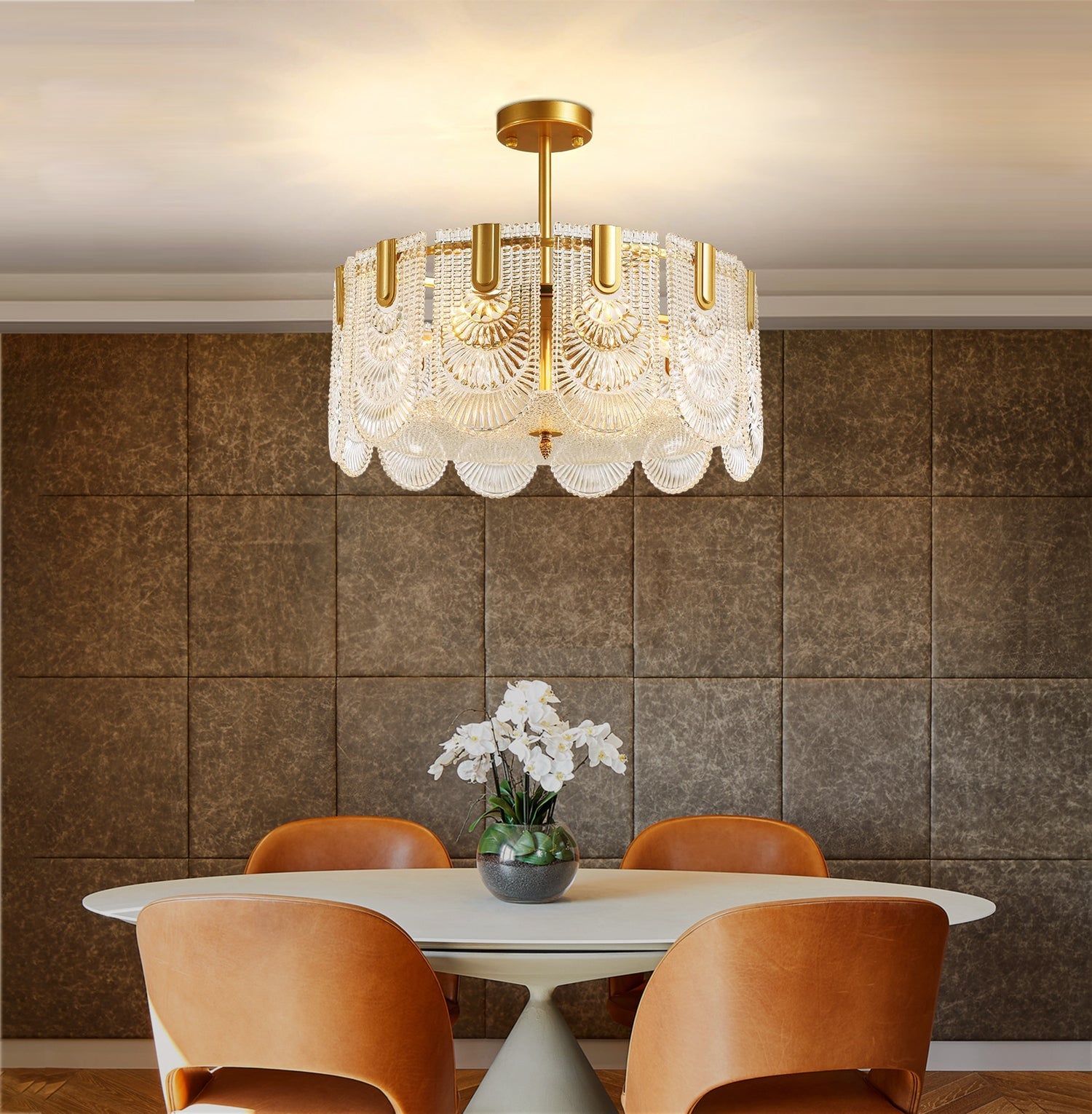
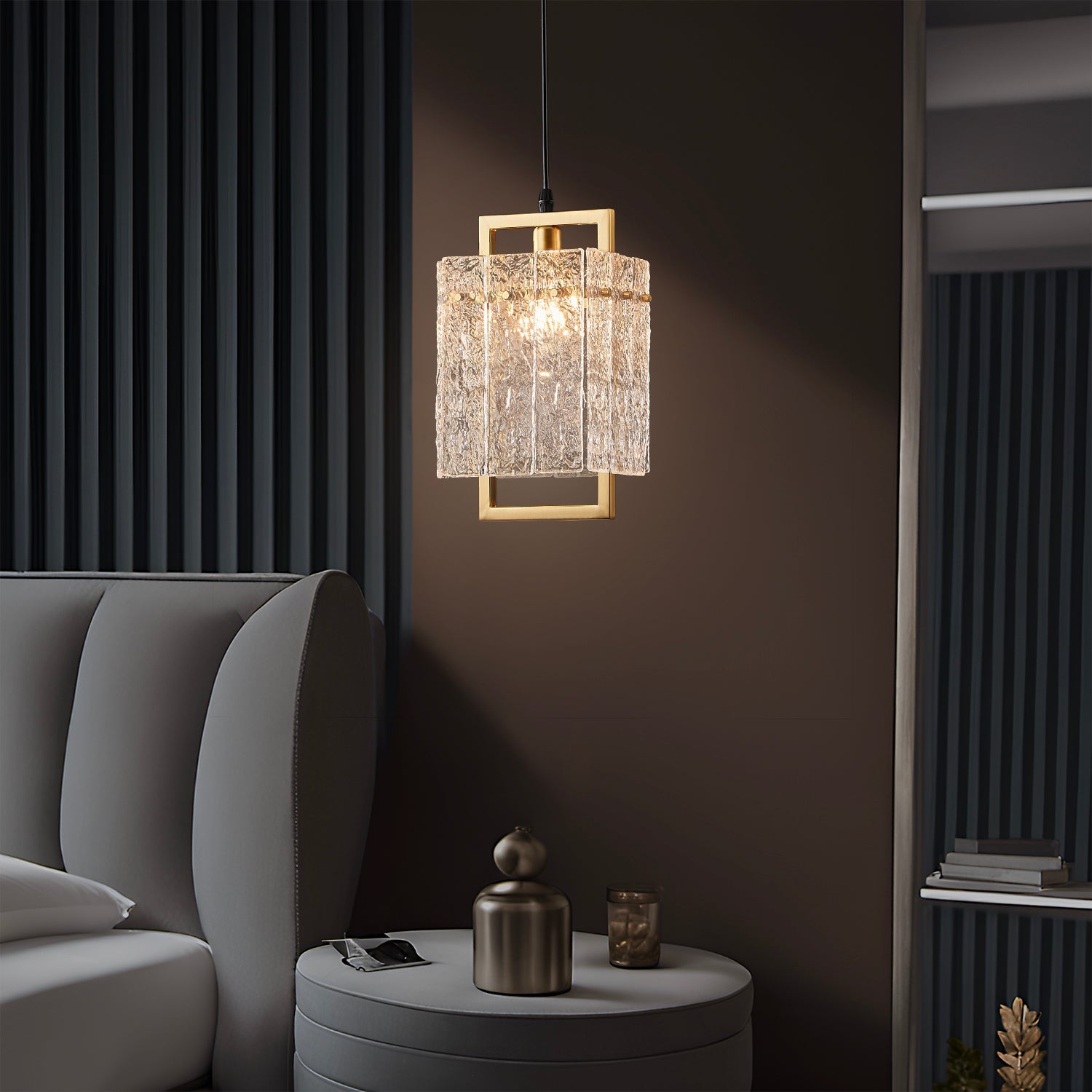
- Surface Mounts (Decorative): These are "Statement Pieces." A brass flush-mount or a geometric LED fixture adds texture and serves as a focal point. They work best in rooms where the ceiling is a blank canvas needing visual weight.
Rule of Thumb:
- Ceilings under 8 feet: Prioritize Recessed Lighting or ultra-slim Flush Mount Round LED Ceiling Lights to maximize perceived height.
- Ceilings over 9 feet: Surface Mounts are excellent here; they fill the empty void and bring the light source closer to the living space.
III. Installation Realities: The Renovator’s Perspective
This is where the budget is won or lost. The structural reality of your ceiling—joists, ductwork, and wiring—dictates which fixture is viable.
Structural Interference
- Recessed "Cans": Traditional recessed lighting requires a "Housing" (a metal can) to be inserted into the ceiling. If a joist runs exactly where you want a light, you cannot install it there. You must compromise your layout.
- Surface Mounts: These only require a standard Junction Box (J-Box). Since J-Boxes are shallow and sit on or near the surface, they rarely conflict with deep structural framing.
Insulation and Airflow (IC Ratings)
If you are installing lights in a top-floor ceiling below an attic, you face the Insulation Contact (IC) entity.
- Recessed Hazard: Old recessed lights generate heat. If insulation touches a non-IC rated housing, it creates a fire hazard. You must buy specific "IC-Rated" housings, which are bulkier and harder to install in retrofits.
- Surface Advantage: Because the heat source sits below the insulation barrier, surface mounts rarely compromise the thermal envelope of the house.
The "Damage" Factor
- Recessed Retrofit: Installing 6 recessed lights requires cutting 6 holes. It also involves "fishing" wire through the ceiling joists, which often requires cutting access holes in the drywall that must be patched and painted later.
- Surface Retrofit: Usually requires zero drywall repair. You simply unscrew the old fixture and screw in the new one.
IV. Light Quality: Beam Angle and Dispersion
How the light leaves the fixture changes the "mood" of the room.
Beam Spread Physics
-
Recessed (Downlighting): These are directional. They push light down in a cone (typically 45° to 60° beam angle).
- The Downside: They can create the "Cave Effect", where the top corners of the room remain dark while the floor is bright. To fix this, you need more lights (a grid pattern).
- Surface Mount (Omni-directional): Most surface fixtures have a 180° to 360° spread. They throw light onto the walls and onto the ceiling itself (uplighting). This reflected light softens shadows and makes the room feel brighter with fewer lumens.
Layering Strategy
Smart renovators use both. Use LED Recessed Downlights for Task Lighting (over kitchen counters) and surface mounts for Ambient Lighting (center of the bedroom).
V. The "Middle Ground": Canless LED Wafers (Information Gain)
Most guides stop at "Cans vs. Surface." This ignores the dominant technology of 2026: The Canless LED Wafer.
This technology disrupts the comparison. Canless lights look exactly like recessed lights but install with the ease of a surface component.

Why Canless Changes the Game
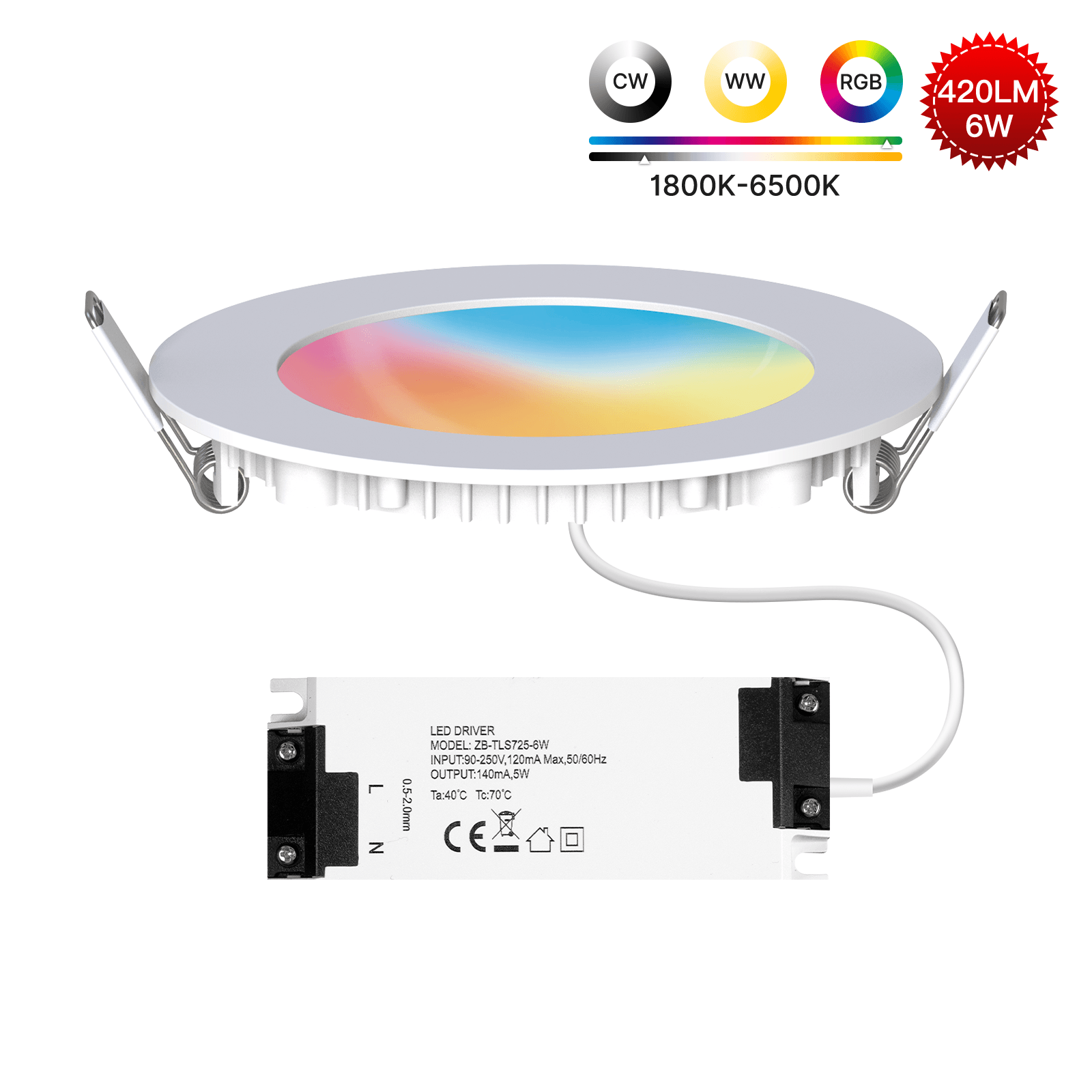
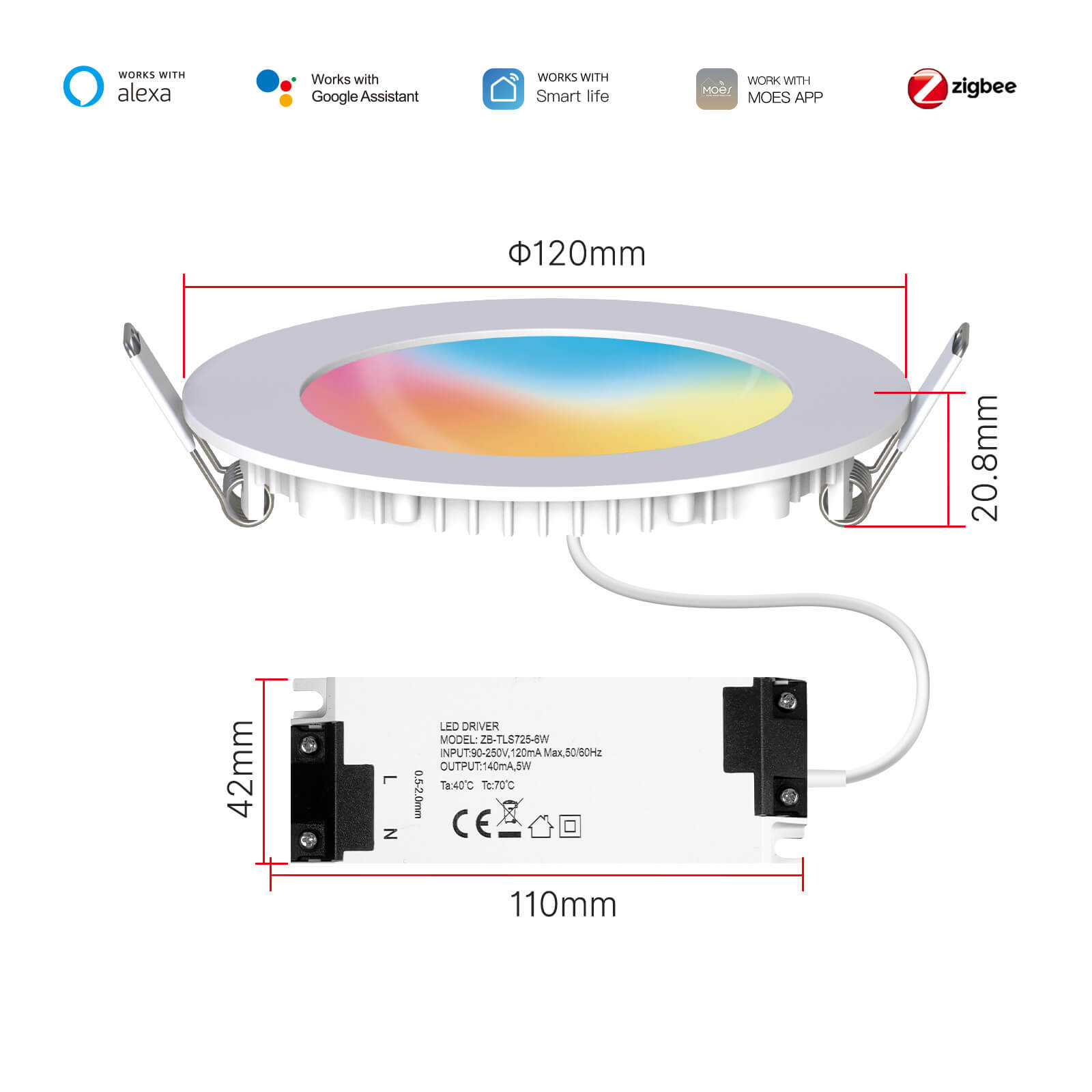
- Zero Clearance: They are roughly 1/2 inch thick (the depth of drywall). They do not need a "housing." If you hit a joist, you can simply mount the light under the joist.
- Spring Clip Installation: No complex brackets. You cut a hole, wire the small driver to the mains, and snap the light in with spring clips.
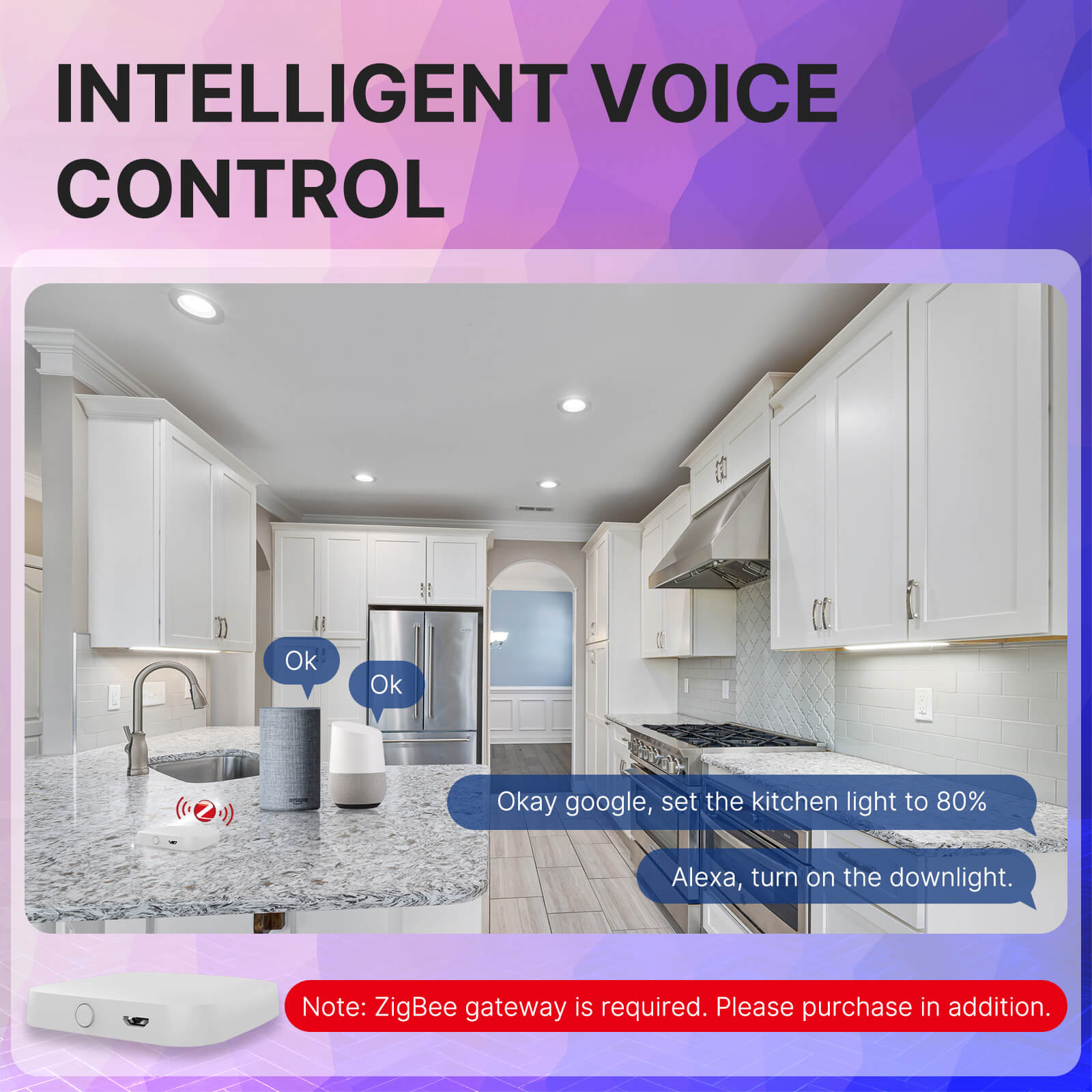
- Smart Integration: Modern wafers are often smarter than traditional bulbs.
📺 Related Video: installing canless recessed lighting vs traditional housing
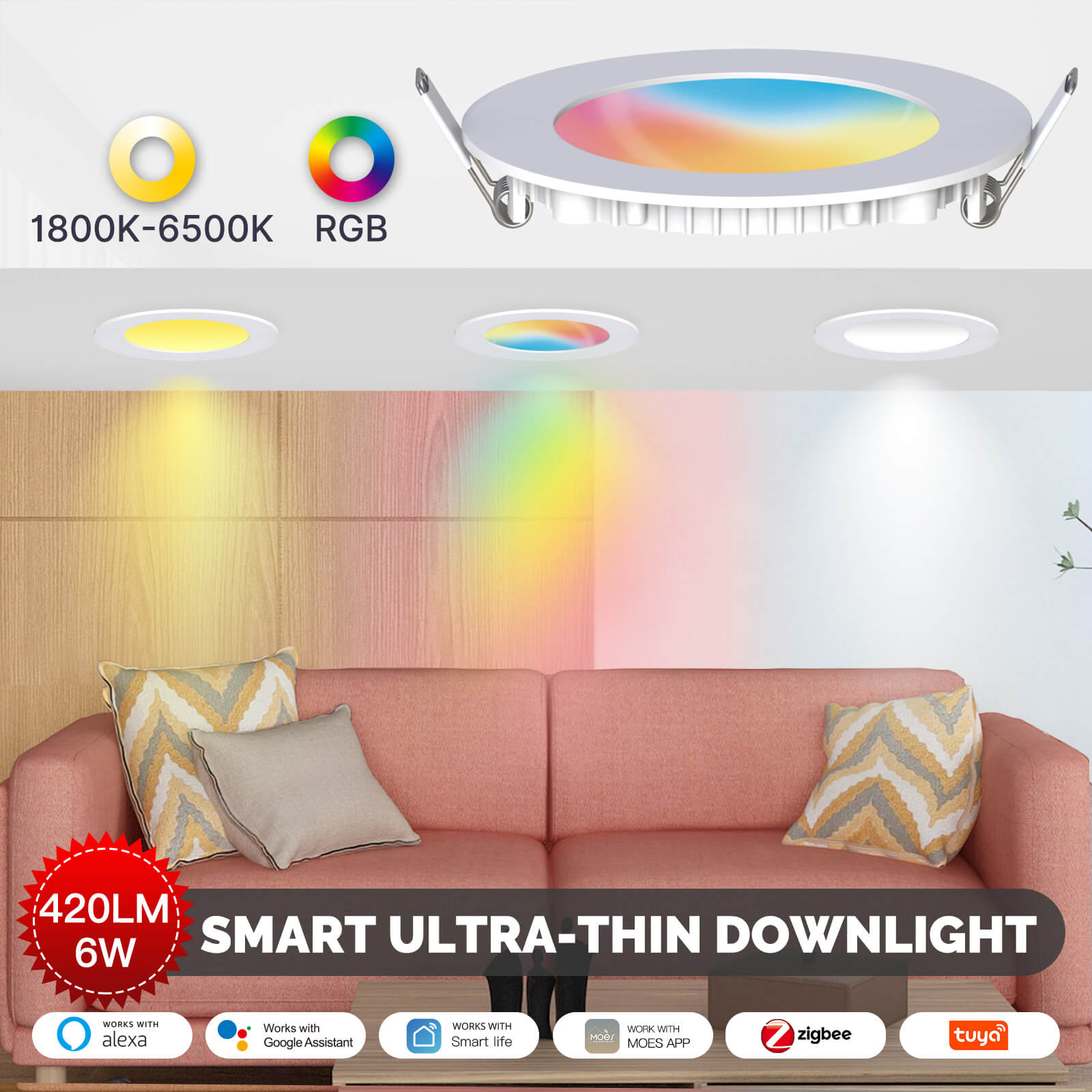
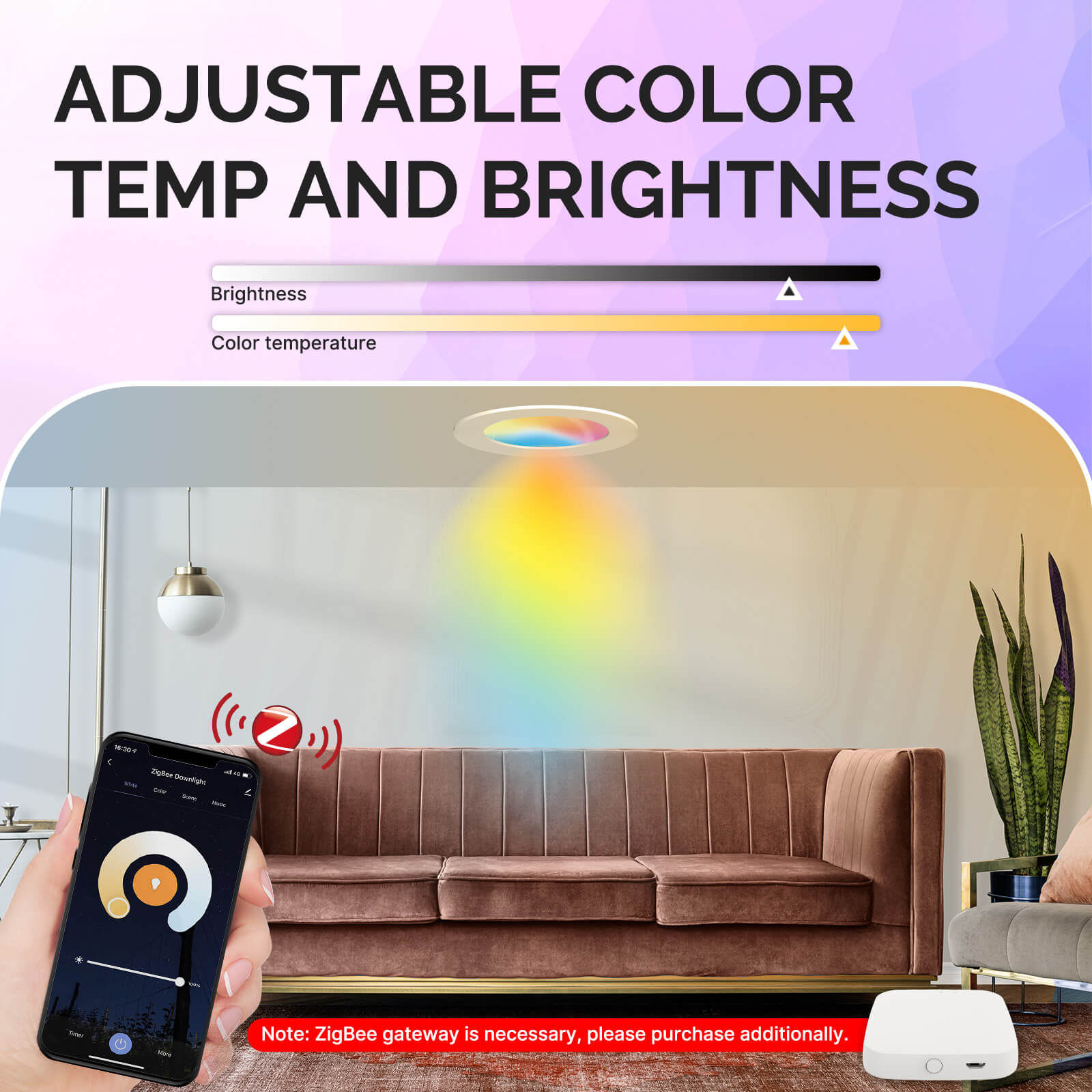
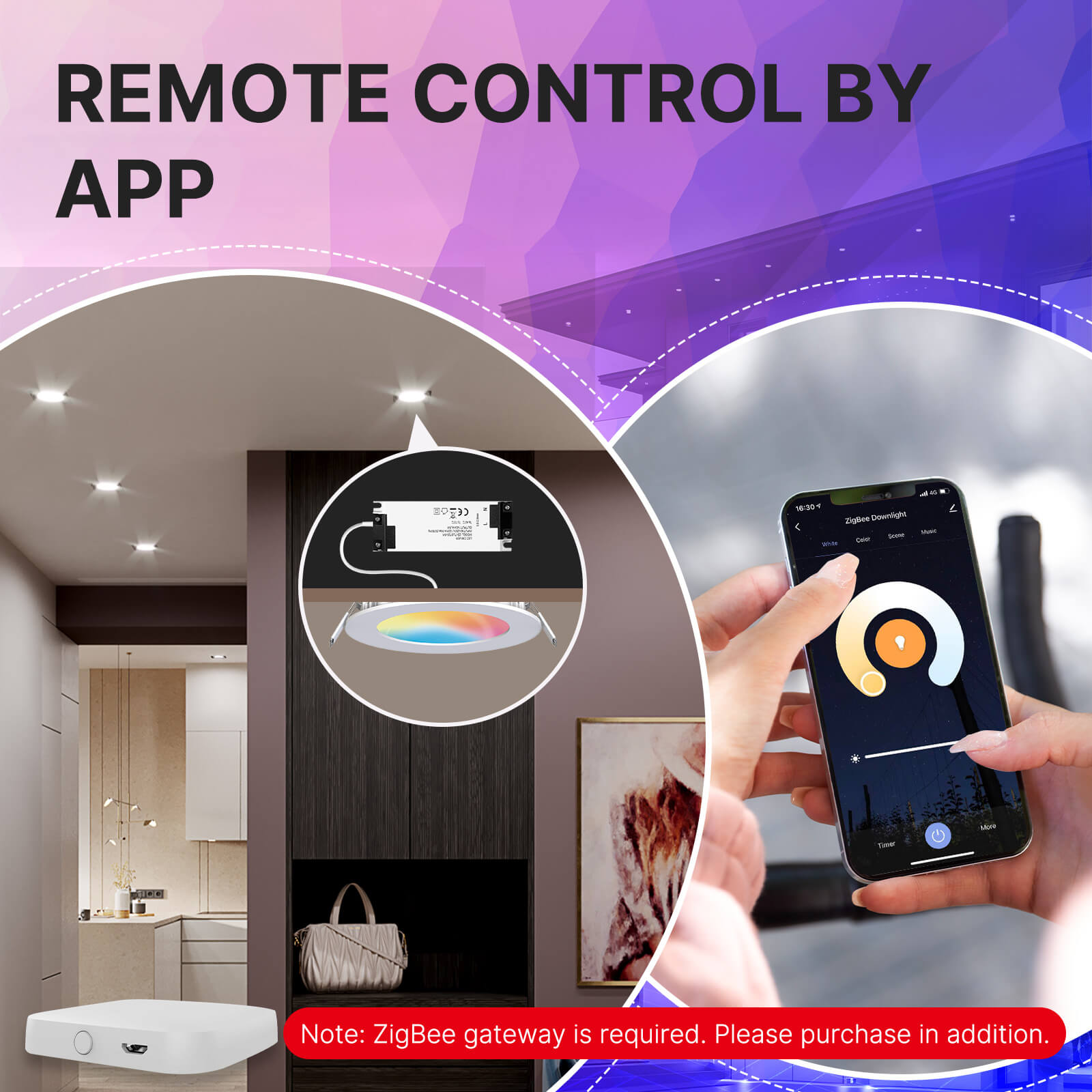
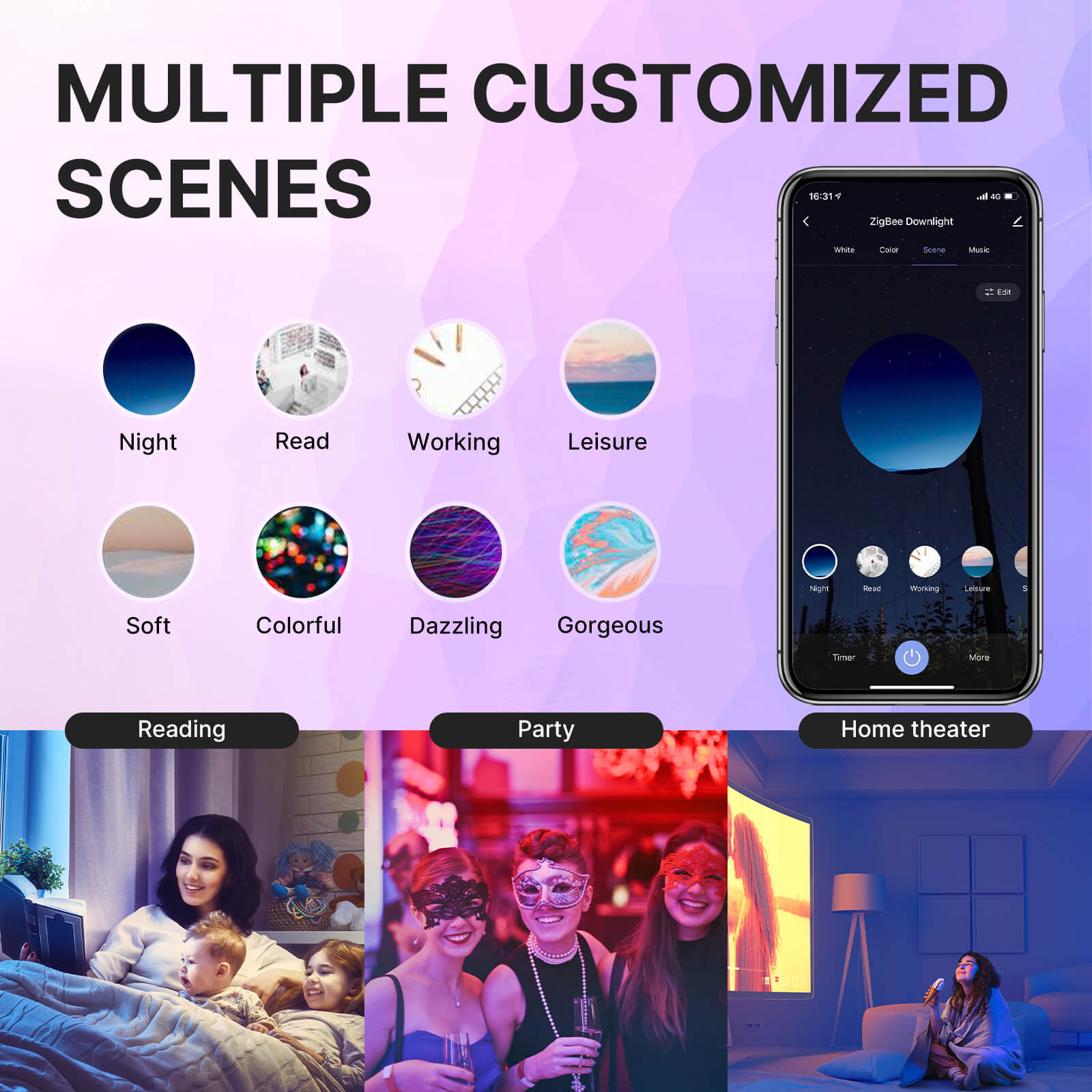
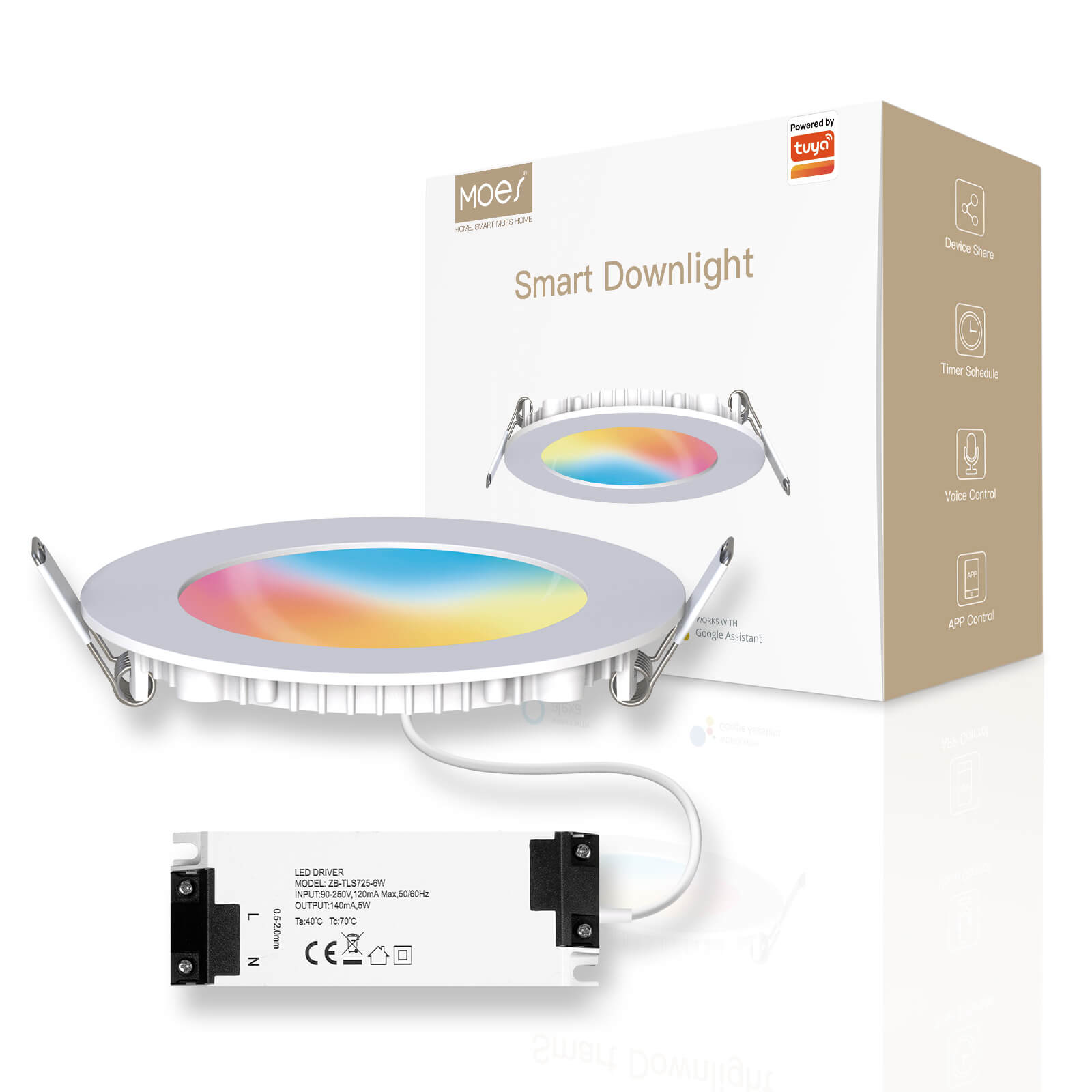
For example, the LumiMuse ZigBee Downlight is an ultra-thin unit that fits into tight ceiling plenums where traditional cans would fail. Unlike old static recessed lights, it offers biological rhythm adjustments (1800K-6500K) and music sync, effectively bringing the "smart home" features usually reserved for surface lamps into a recessed form factor.
VI. Cost Breakdown: Materials vs. Labor
Data from 2025-2026 indicates a massive divergence in labor costs rather than material costs.
The Renovation Invoice (Mock Breakdown)
Scenario: Lighting a 12x12 Living Room.
| Feature | Traditional Recessed (Cans) | Surface Mount (Center Fixture) | Canless LED Wafer (Modern Recessed) |
|---|---|---|---|
| Material Cost | $150 (6 x Housings + Trims) | $150 (1 x High-End Fixture) | $180 (6 x Smart Wafers) |
| Labor (Electrician) | $1,200+ (Drilling joists, wiring 6 spots) | $150 (Swap existing box) | $600 (Easier wiring, no framing issues) |
| Drywall Repair | $300 (Patching access holes) | $0 | $0 - $100 |
| Total Est. Cost | ~$1,650 | ~$300 | ~$780 |
- Surface Mount is the budget winner for retrofits.
- Traditional Recessed is the most expensive due to labor intensity.
- Canless offers the "Recessed Look" for roughly half the installation cost of traditional cans.
VII. Conclusion
The battle between surface mount vs recessed lighting is no longer just about aesthetics; it is about utilizing modern technology to solve structural problems.
- Choose Recessed (specifically Canless Wafers) if you have low ceilings (<8ft), want a minimalist "architectural" look, or need to distribute light evenly across a large kitchen or basement.
- Choose Surface Mount if you have concrete ceilings, want to avoid cutting drywall, or need a decorative centerpiece to anchor a dining room or bedroom.
Next Steps for Your Renovation:
If you are leaning toward the sleek, recessed look but dread the installation, the LumiMuse ZigBee Downlight offers the perfect hybrid solution: ultra-thin profile, smart control, and zero structural headache.
For those planning a complete lighting overhaul, consider how these fixtures pair with other layers. Read our guide on Flush Mount Round LED Ceiling Lights for hallways, or explore deep-dive specs on LED Recessed Downlights to finalize your plan.