
You just changed a burnt-out light bulb. Now, you’re standing over the trash can with a fragile glass globe in your hand. Do you toss it in the blue recycling bin? Do you wrap it in a paper towel and throw it in the trash? Or do you need to drive it somewhere special?
Making the wrong choice here is more than just a procedural error. If that bulb is a Compact Fluorescent Light (CFL), breaking it in your trash can release toxic mercury vapor into your home or the local water supply. If it’s an LED, you might be sending valuable rare earth elements and microchips to a landfill where they will never be recovered.
This guide provides the Broken Bulb Protocol and a definitive roadmap for disposing of lighting e-waste safely and legally. We will also answer the critical question of how to recycle light bulbs correctly.
Quick Answer: Can I Recycle Light Bulbs in Curbside Bins?
No. You cannot recycle CFL or LED light bulbs in standard curbside recycling bins.
- CFLs contain mercury and are classified as Household Hazardous Waste (HHW).
- LEDs contain circuit boards and are classified as E-Waste.
Both must be taken to designated drop-off points (like major hardware retailers) or municipal hazardous waste facilities. Only old-fashioned incandescent bulbs are typically legally permitted in standard trash, though even they cannot be recycled with glass bottles due to different melting points.
I. Bulb Identification: Sorting Hazardous Waste from E-Waste
Before you dispose of a bulb, you must identify its Entity Type. Modern waste management systems treat light bulbs not as "glass waste," but as complex technology vessels.

The Material Composition of CFLs (Mercury Risk)
The spiral-shaped CFL (Compact Fluorescent Lamp) was the bridge technology between incandescents and LEDs. Its defining attribute is Mercury Vapor. Inside the glass tube, an electric current drives mercury vapor to emit ultraviolet light. When these bulbs break, that mercury escapes.
- Safety Status: Hazardous Material.
- Disposal Priority: High (Containment required).
The Component Complexity of LEDs (Electronic Waste)
Light Emitting Diodes (LEDs) are not really "bulbs" in the traditional sense; they are glowing computers. If you were to crack one open, you would find a Printed Circuit Board (PCB), a heat sink, and an LED Driver.
- The Misconception: People think LEDs are recyclable because of the glass.
- The Reality: They are recyclable because of the tech. The drivers contain gold, copper, and rare earth elements. However, they also contain trace amounts of lead and arsenic, making them dangerous if they leach into groundwater from a landfill.
- Related Concept: For a deeper dive into the complexity of these components, you might want to read about Understanding LED Technology.
Entity Comparison Table: Know Your Bulb
| Attribute | Incandescent / Halogen | CFL (Fluorescent) | LED (Light Emitting Diode) |
|---|---|---|---|
| Primary Material | Glass & Tungsten Filament | Glass, Mercury Vapor, Phosphor | Plastic, Microchips, Aluminum |
| Classification | General Trash (Usually) | Hazardous Waste (HHW) | E-Waste (Electronic) |
| Curbside Recyclable? | No (Melting point too high) | NO (Toxic risk) | NO (Requires disassembly) |
| Toxic Content | None | Mercury (< 5mg) | Lead/Arsenic (Trace amounts in circuit) |
| Valuable Recovery | Low (Scrap metal) | Medium (Mercury reuse) | High (Gold, Copper, Gallium) |
II. How to Recycle CFL and LED Bulbs (The Disposal Ecosystem)
Once you have identified your bulb, you need to introduce it to the correct "Disposal Entity." Do not guess; use one of these verified channels when determining how to recycle light bulbs.
📺 Related Video: how to recycle cfl and led light bulbs
1. Retail Take-Back Programs
Major retailers have established themselves as the primary collection hubs for consumer lighting waste.
- Home Depot & Lowe’s: Most locations in the United States maintain a recycling kiosk near the entrance or customer service desk. These bins are specifically designed for unbroken CFL bulbs.
- IKEA: Often accepts both CFLs and LEDs as part of their sustainability commitment.
- Batteries + Bulbs: A specialty franchise that accepts a wider range of e-waste, including ballasts and tubes (sometimes for a small fee).
2. Municipal HHW Facilities
Your local government likely operates a Household Hazardous Waste (HHW) facility. These are often open to residents on specific "drop-off days." This is the safest option for:
- Fluorescent tubes (which don't fit in retail bins).
- Broken bulbs (which retailers often refuse).
- Large quantities of LEDs.
3. Mail-Back Kits
If you live in a rural area or manage a business, "Mail-Back Programs" are a valid attribute of the recycling ecosystem. Companies like Waste Management or Veolia sell pre-paid kits. You fill a lined box with old bulbs and ship it back. The cost ensures proper mercury distillation and glass recovery.
Step-by-Step Disposal Guide:
- Do not tape bulbs together. Recyclers need to separate them easily.
- Protect the glass. Place the bulb in its original packaging or a small zip-lock bag.
- Find a location. Use the search tool on Earth911 or your local municipal website.
III. The "Broken Bulb Protocol": Safety & Containment
This section is critical. If a CFL bulb breaks, you are no longer dealing with trash; you are dealing with a hazmat situation in your living room.

Immediate Action: Ventilation
The moment a CFL breaks, mercury vapor is released.
- Evacuate: Have people and pets leave the room. Avoid walking through the breakage area.
- Ventilate: Open a window and leave the room for 10-15 minutes.
- HVAC Shutdown: Turn off your central heating or air conditioning. You do not want the mercury vapor circulating through your ductwork to other rooms.
The Cleanup Process (Do Not Vacuum)
WARNING: NEVER vacuum broken CFL glass immediately. The vacuum's exhaust will blow mercury mist into the air, increasing your exposure.
The Safe Cleanup Attributes:
- Scoop: Use stiff paper or cardboard to scoop up large glass shards.
- Stick: Use duct tape or packing tape to pick up small fragments and powder from the floor.
- Wipe: Use damp paper towels to clean the area.
- Contain: Place all shards, tape, and paper towels into a glass jar with a metal lid (like a mason jar) or a heavy-duty sealable plastic bag.
Only after you have removed all visible debris should you consider vacuuming, and you should immediately empty the vacuum bag outside.
IV. The Environmental Impact of Improper Disposal
Why go through this trouble? The connection between "Light Bulbs" and "Environmental Health" is defined by two mechanisms: Leaching and Resource Recovery.
Soil and Water Contamination
When a CFL is crushed in a landfill, the mercury escapes. A single gram of mercury can contaminate a 20-acre lake, making fish unsafe to eat. While modern bulbs contain less mercury than older ones, the aggregate effect of millions of bulbs creates a significant toxic load.
The Circular Economy of LEDs
LEDs are tech products. Throwing them away is like throwing away a smartphone.
- Rare Earth Elements: LEDs rely on elements like Gallium and Indium. These are scarce. Recycling allows us to harvest these materials for new electronics.
- The Driver Circuit: The base of your LED contains a driver. This component regulates power and prevents flickering. It is rich in copper and gold. (See our LED Drivers Guide for more on how these components work).
The Universal Waste Rule
The EPA established the Universal Waste Rule to streamline the recycling of common hazardous materials.
- Federal vs. State: While federal regulations might exempt households from strict hazardous waste laws (allowing some disposal in trash), State Laws often override this.
- Strict States: California, Maine, Massachusetts, Minnesota, New Hampshire, Vermont, and Washington strictly prohibit placing any mercury-containing lamp in the trash. In these regions, recycling is a legal requirement, not a suggestion.
V. Conclusion: The Smart Transition
Recycling your old bulbs is the closing loop of the product lifecycle. But the most effective way to reduce lighting waste is to extend that lifecycle.
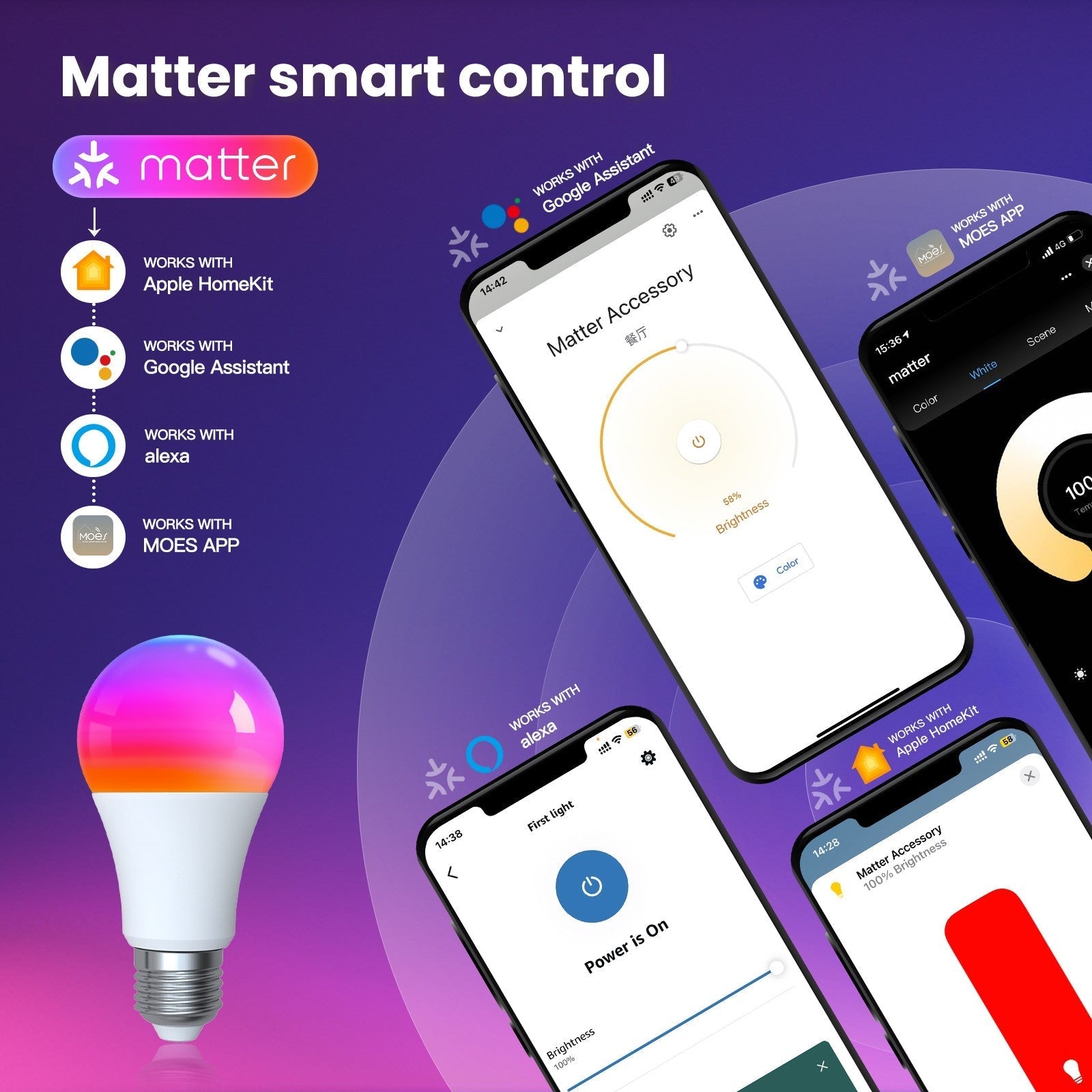
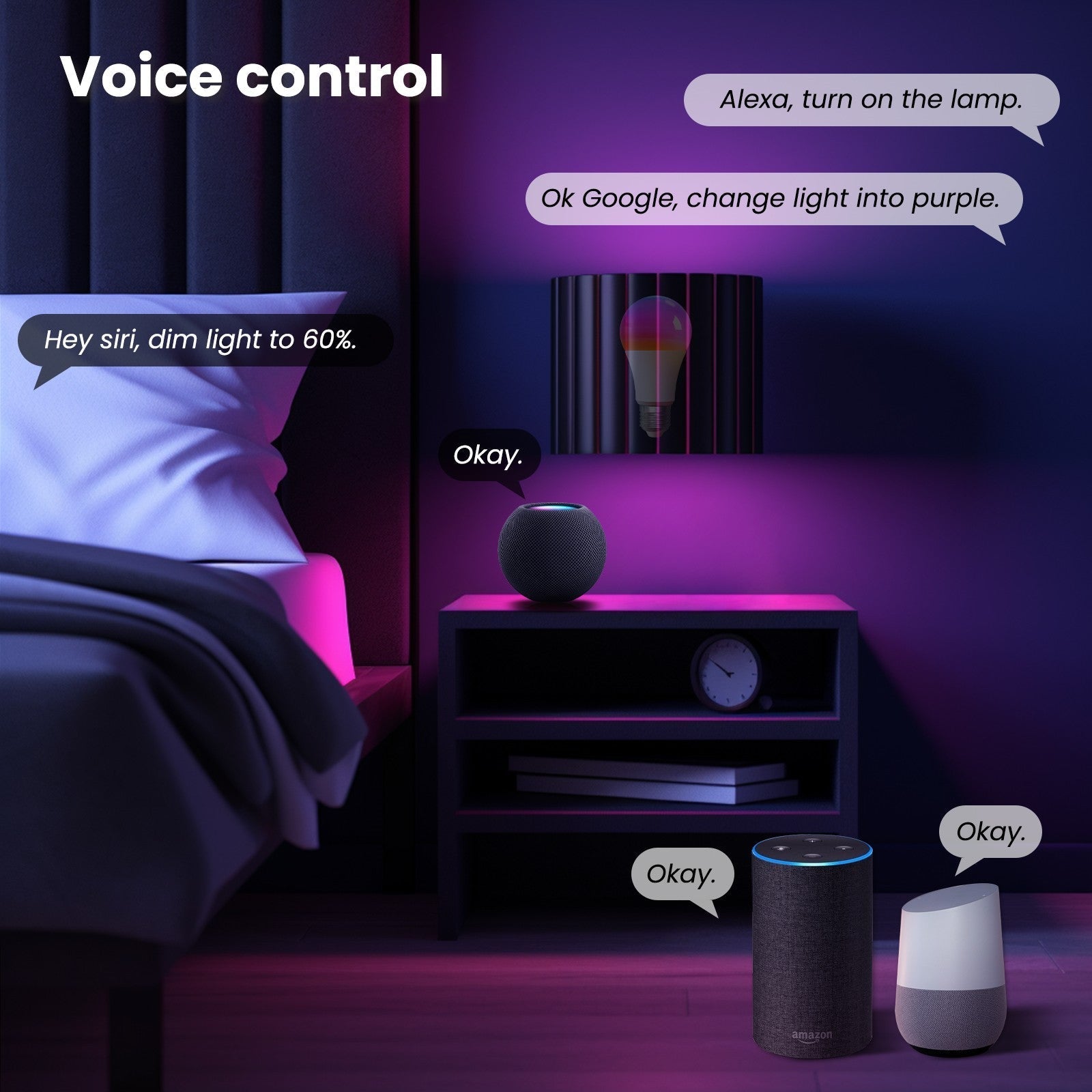
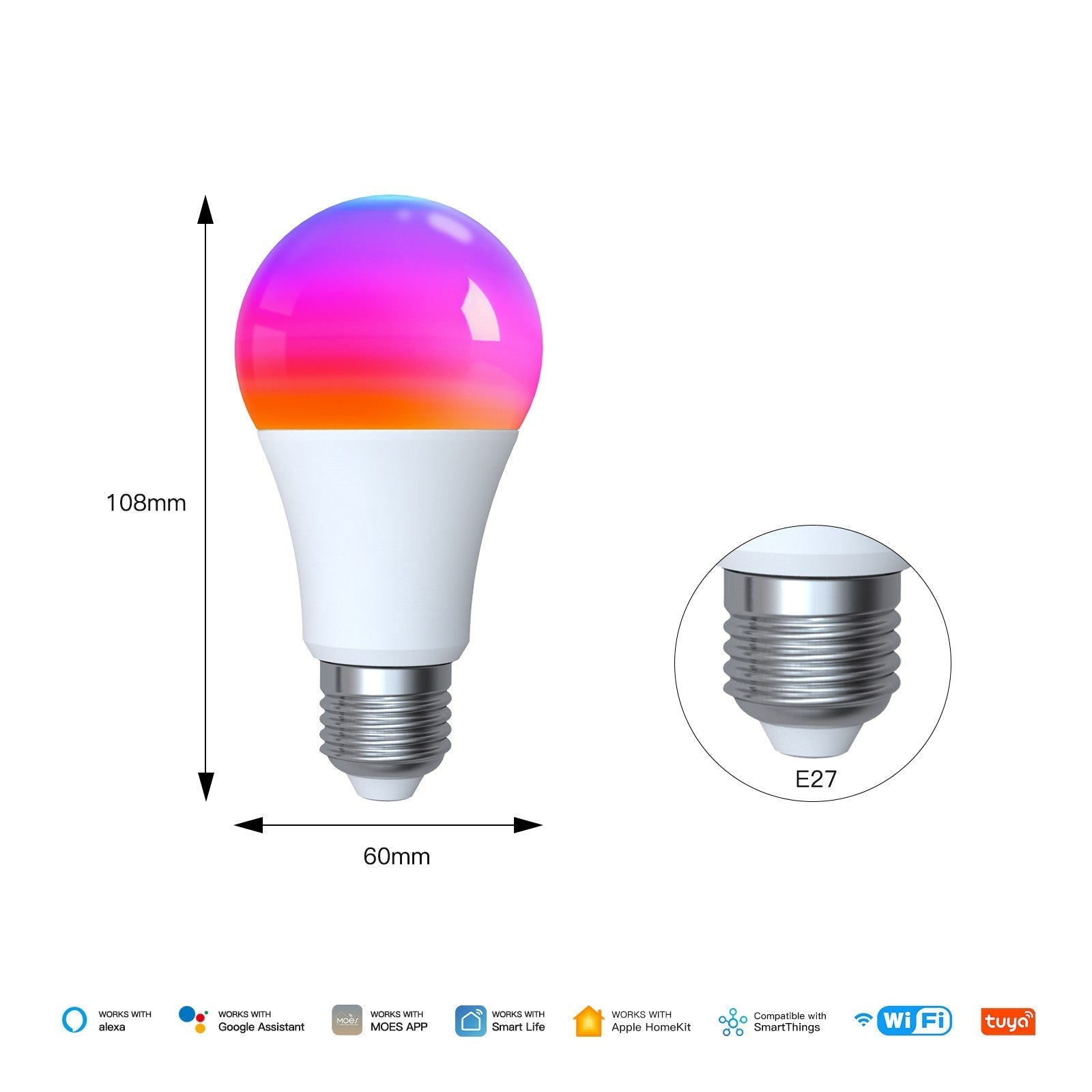
The "disposable" nature of cheap incandescent and early CFL bulbs is why we have this waste crisis. Modern lighting entities, like the Tuya Matter WiFi Smart LED Bulb, are designed to break this cycle.

- Longevity: With a lifespan of 25,000+ hours, you are replacing bulbs (and generating waste) far less frequently.
- Efficiency: At 9W, it reduces the load on power plants, cutting mercury emissions at the source (coal plants).
- Smart Integration: Compatibility with the Matter protocol ensures the tech doesn't become obsolete quickly, further delaying its entry into the waste stream.
Take Action Today:
Don't let that dead bulb sit in a junk drawer.
- Check your bulb type (Spiral = Mercury; Chip = E-Waste).
- Visit Earth911.com to find your nearest drop-off.
- Upgrade your socket to a long-lasting smart solution to prevent future waste.