
For professional system integrators, the cost of a wireless lighting control system is rarely defined by hardware pricing. The true cost lies in commissioning labor, site reliability, and the frequency of "truck rolls" required to troubleshoot dropped connections.
When specifying a wireless protocol for a retrofit or new build, the choice between Zigbee 3.0 and Bluetooth Mesh is not a matter of preference—it is a calculation of topology, node density, and integration requirements. This is particularly crucial when analyzing Zigbee vs Bluetooth Mesh lighting solutions for specific client needs.
The Core Distinction:
Zigbee operates on a Routing Mesh topology rooted in a central coordinator (Gateway), making it the superior choice for residential and light-commercial projects requiring deep integration with Smart Home platforms (Tuya, Alexa, Google).
Bluetooth Mesh utilizes a Managed Flood topology that operates independently of a hub, offering higher throughput and lower latency for large-scale industrial environments (warehouses, airports) with thousands of nodes.
This guide analyzes the technical architecture, commissioning workflows, and interoperability of both standards to determine the correct specification for your next project.
1. Architecture & Topology: Routing vs. Managed Flood
To predict system behavior under load, integrators must understand how data packets traverse the network. Both protocols operate on the 2.4GHz ISM band, but their packet delivery methods differ fundamentally.

Zigbee 3.0: The Routing Mesh
Zigbee utilizes a Routing Topology. In this hierarchy, devices are assigned specific roles:
- Coordinator (The Gateway): The root of the network. It manages security keys and network formation.
- Routers (Mains-powered nodes): These devices (switches, bulbs) repeat signals to extend range.
- End Devices (Battery sensors): These sleep to conserve power and communicate only with their parent router.
Latency Implications: Because messages follow a specific path (A to B to C), latency increases with the number of "hops." In high-density environments, a single failed router can trigger a network rediscovery process, causing temporary latency spikes.
Bluetooth Mesh: The Managed Flood
Bluetooth Mesh uses a Managed Flood topology. It does not use routing tables. Instead, when a switch sends a command, it "floods" the network. Every mains-powered node listening on that address re-transmits the message.
- Benefit: This creates a multi-path delivery system. If one node fails, the message naturally arrives via an alternate path without network reconfiguration.
- Efficiency: To prevent network saturation, Bluetooth Mesh uses a TTL (Time to Live) counter and a message cache to ensure nodes do not relay the same message twice.
2. The Integrator’s Matrix: Performance & Commissioning
The primary friction point for integrators is commissioning speed. How fast can you pair 200 devices and hand over the system?
📺 Related Video: Zigbee 3.0 vs Bluetooth Mesh technical comparison
Commissioning Labor & The Gateway Bottleneck
Zigbee requires a central coordinator to establish the network. Commissioning typically involves putting the Gateway into "pairing mode" and adding devices sequentially or in batches.
- Advantage: Centralized control allows for sophisticated automation rules and remote access via the cloud.
- Constraint: If the Gateway fails, local automation may persist (if binding is set), but remote control and scene orchestration are lost.
Bluetooth Mesh is unique because it supports Phone-Direct Commissioning. An installer can provision devices directly using a smartphone app without needing a hub on-site during construction.
- Advantage: Faster deployment in bare-shell construction sites where internet/Wi-Fi is not yet active.
- Constraint: Remote access still requires a gateway bridge later in the process.
Scalability Limits
| Feature | Zigbee 3.0 | Bluetooth Mesh |
|---|---|---|
| Topology | Routing Mesh (Point-to-Point) | Managed Flood (Publish/Subscribe) |
| Max Hops | 15-30 (Implementation dependent) | 127 (Theoretical) |
| Practical Node Limit | ~200-300 per Gateway | 1,000+ per Subnet |
| Throughput | 250 kbps | 1 Mbps (BLE 4.2+) |
| Commissioning | Gateway Required | Smartphone Direct (Gateway optional) |
| Security | AES-128 w/ Trust Center | AES-128 + Obfuscation |
| Ideal Use Case | Smart Home / Office Retrofit | Industrial / Warehousing |
3. The Role of the Gateway in Modern Retrofits
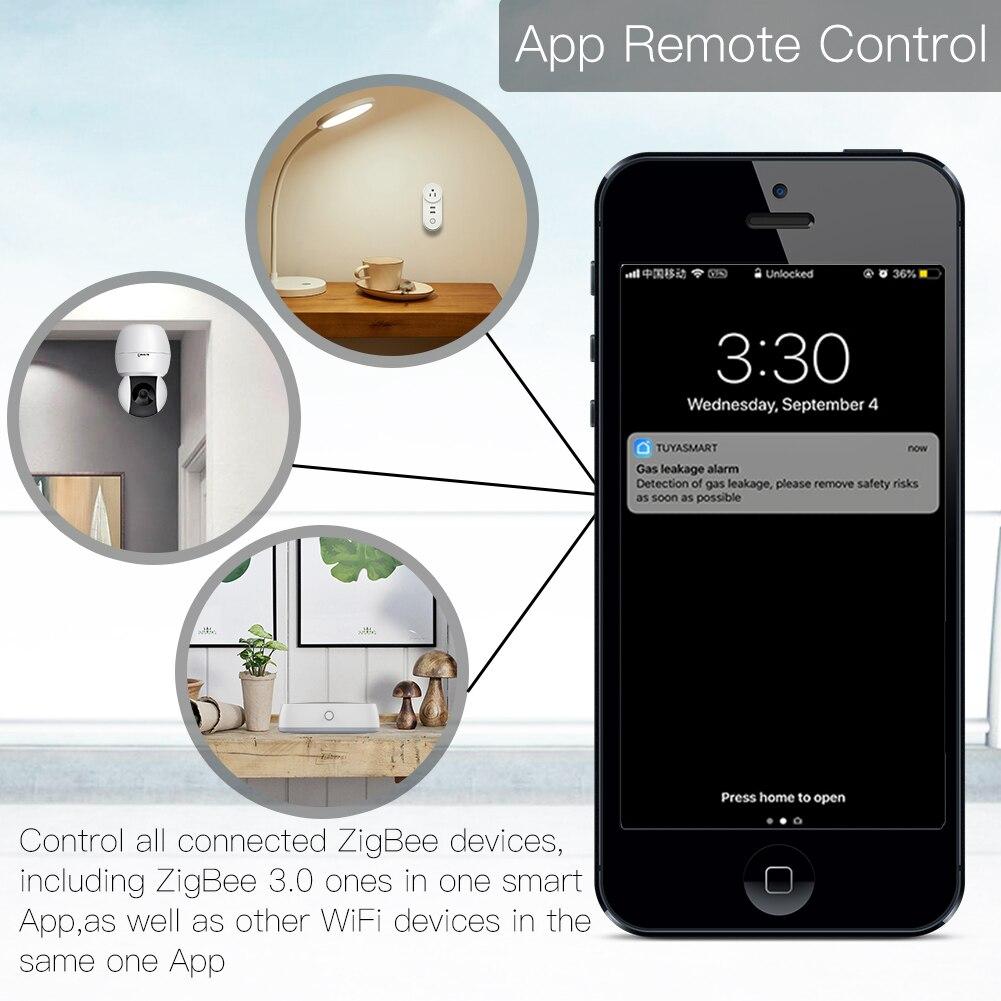
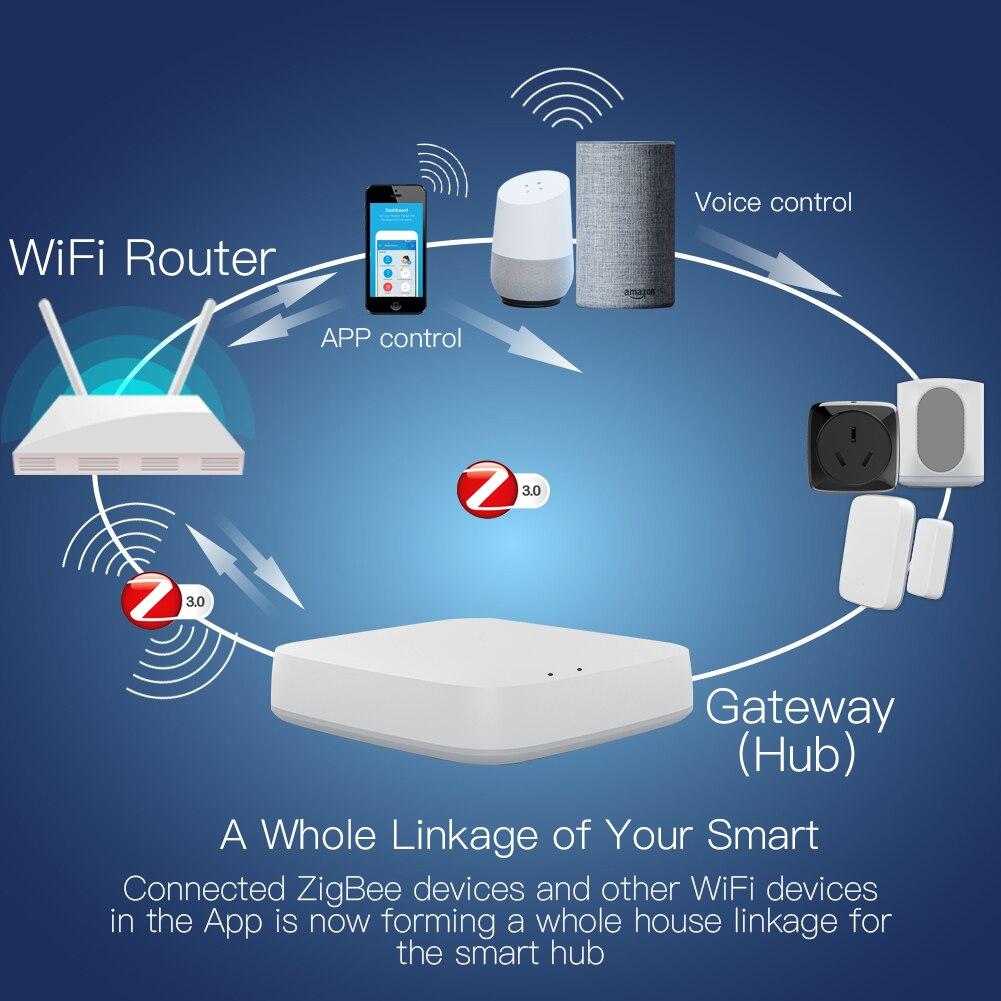
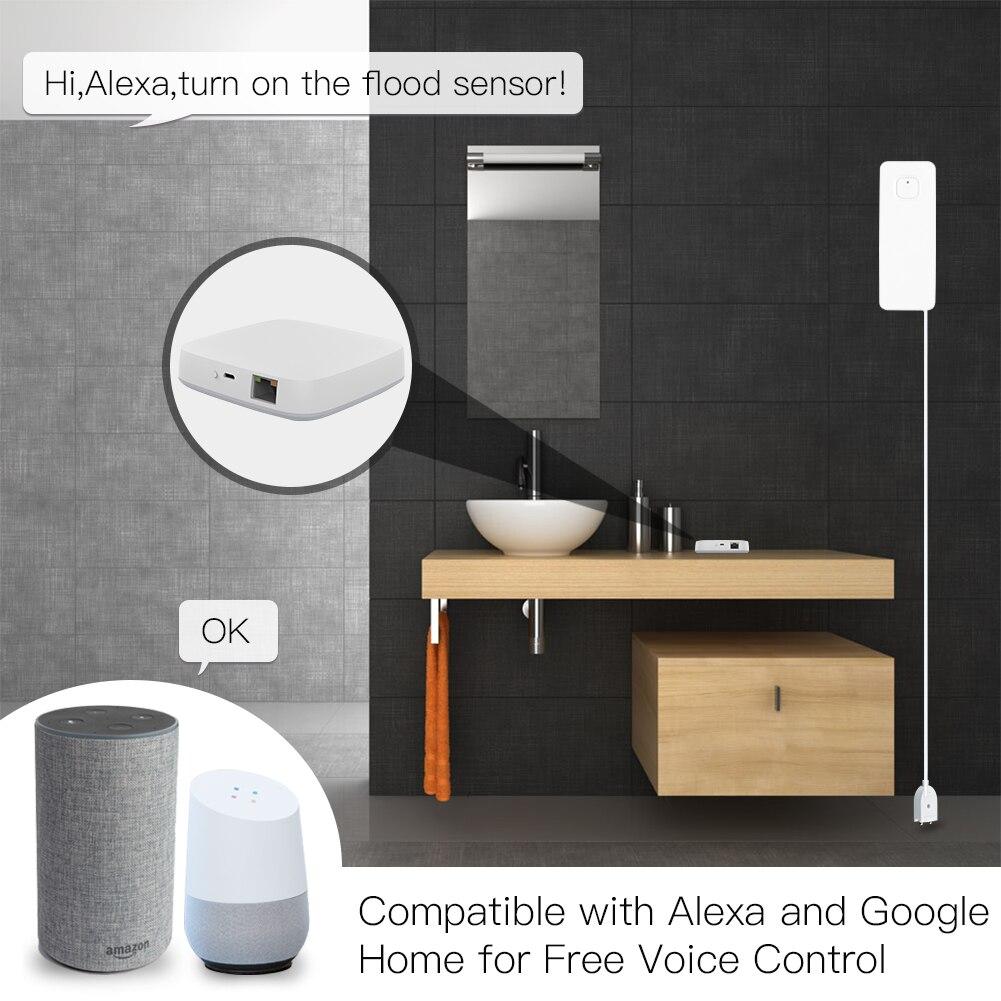
For residential and commercial office projects, the client often demands control via a unified app or voice assistant. This is where Zigbee dominates Bluetooth Mesh. The Gateway acts as the translator between the local Zigbee mesh and the IP network (Wi-Fi/Ethernet).
Reliability in a Zigbee network is directly correlated to the quality of the Coordinator.
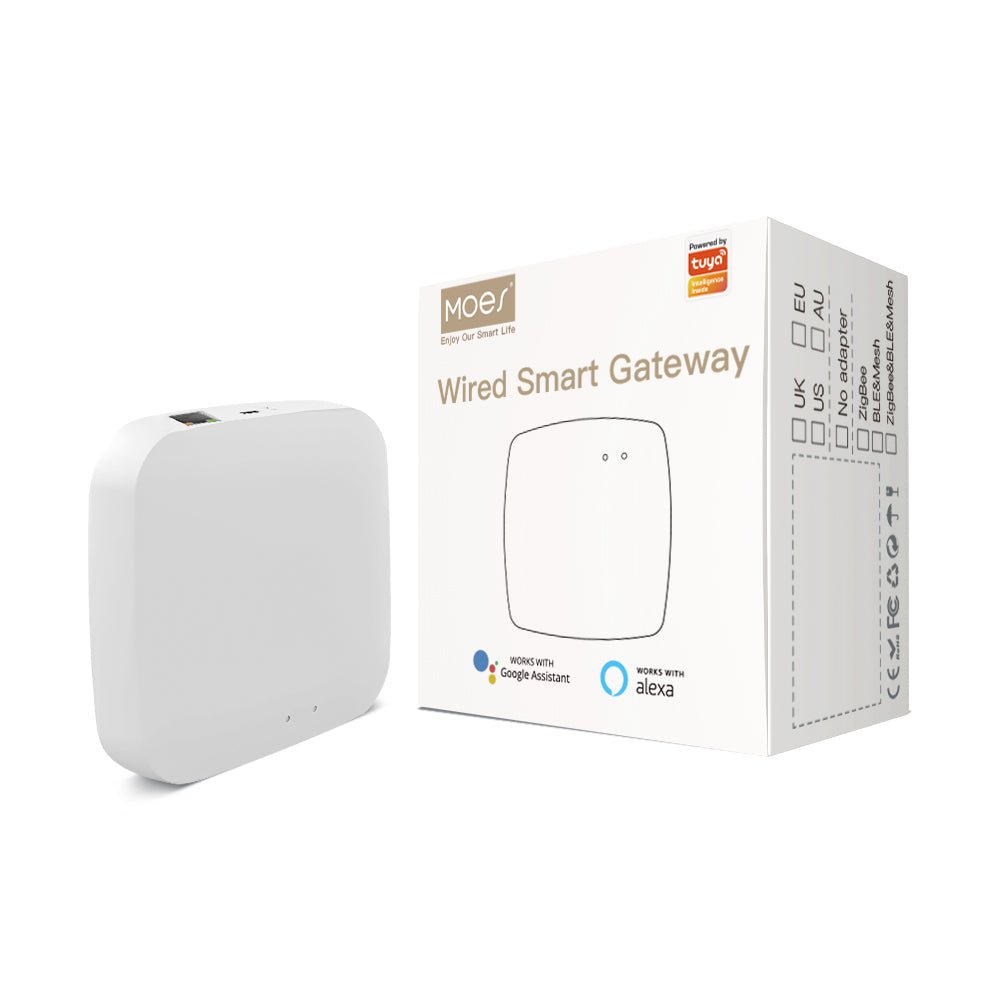
Hardware Focus: Tuya ZigBee Smart Gateway Hub
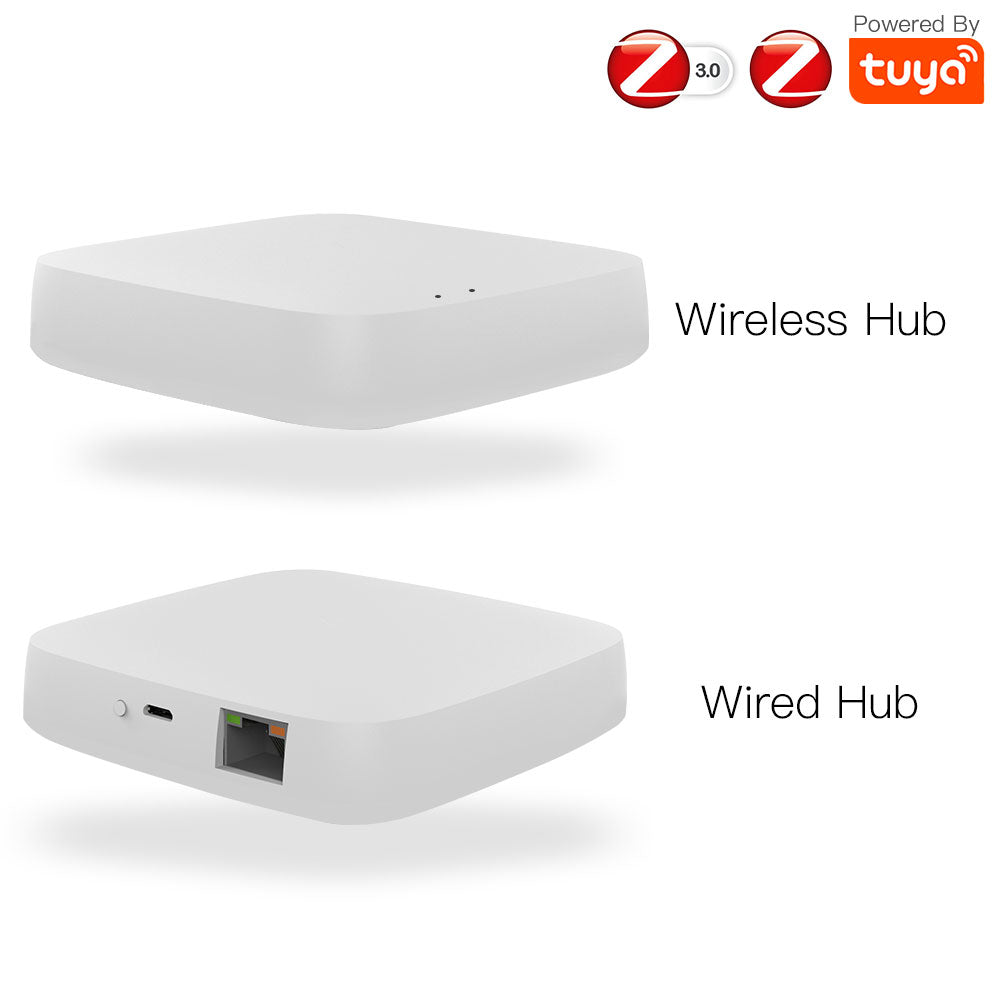
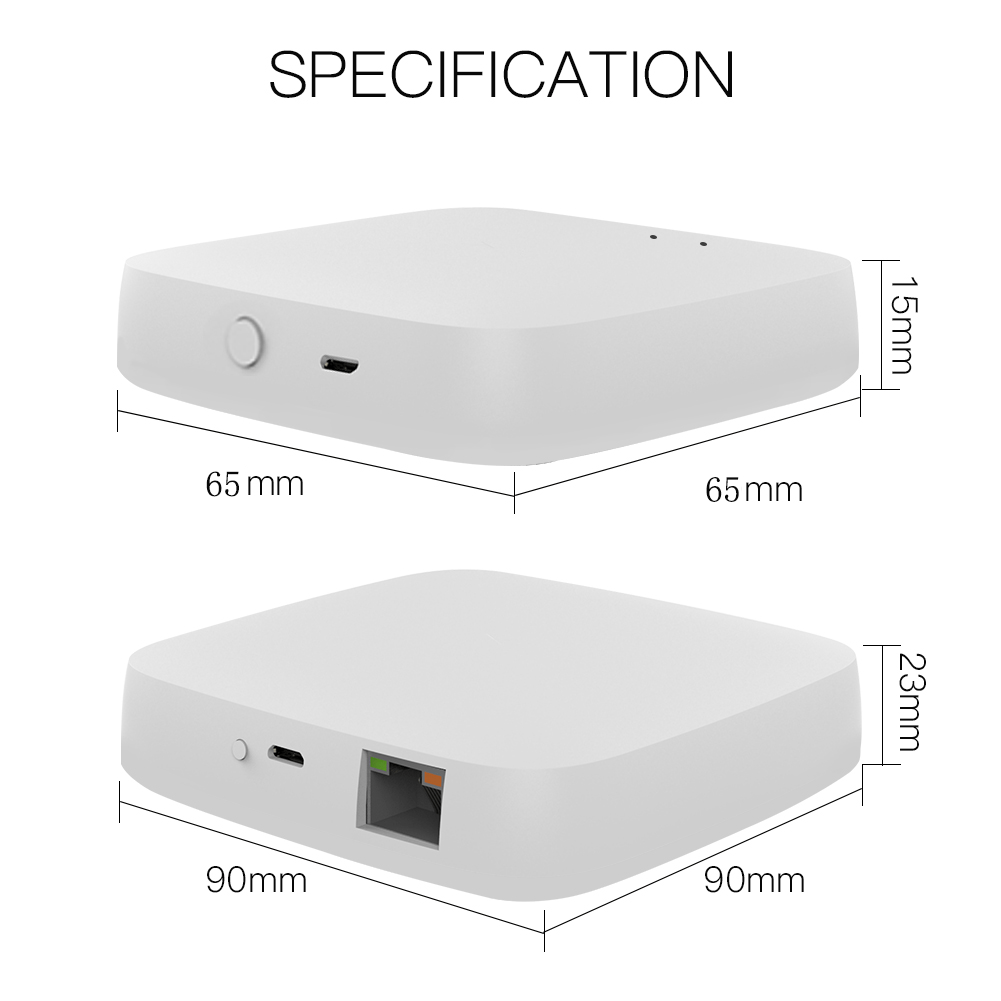
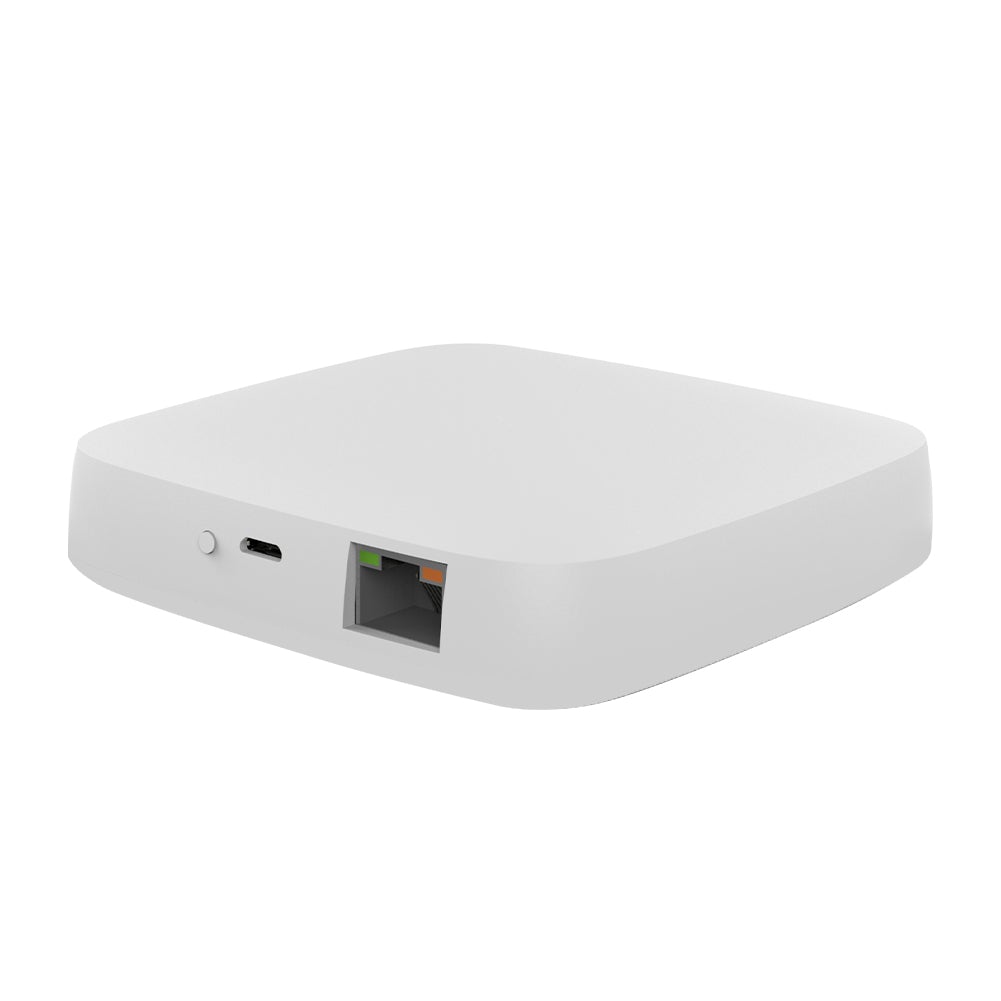
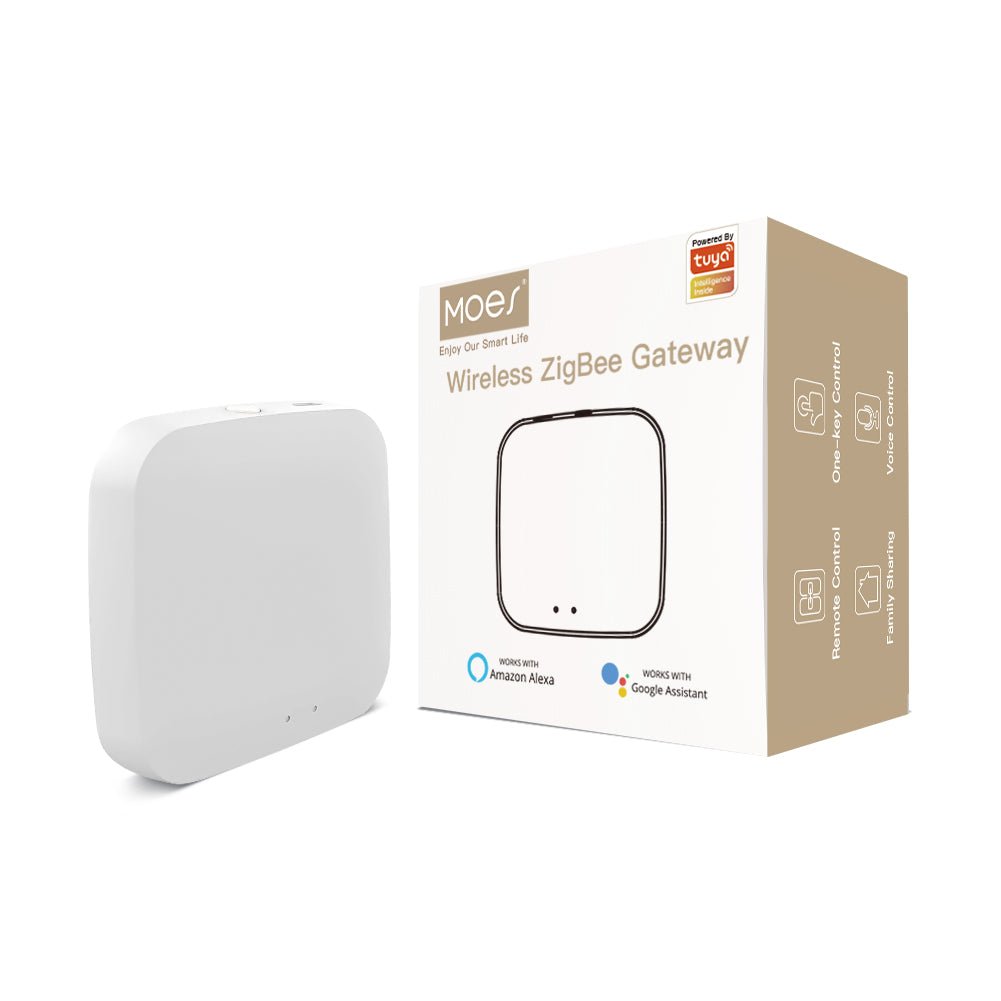
For integrators utilizing the Tuya ecosystem, the Tuya ZigBee Smart Gateway Hub functions as the stabilizing anchor. Unlike generic USB dongles, a dedicated hub manages the traffic load and device "heartbeats" necessary for system health.

- Capacity: The wired version of this hub supports up to 300 nodes. This capacity allows a single unit to cover a substantial residential property or a commercial floor without fragmentation.
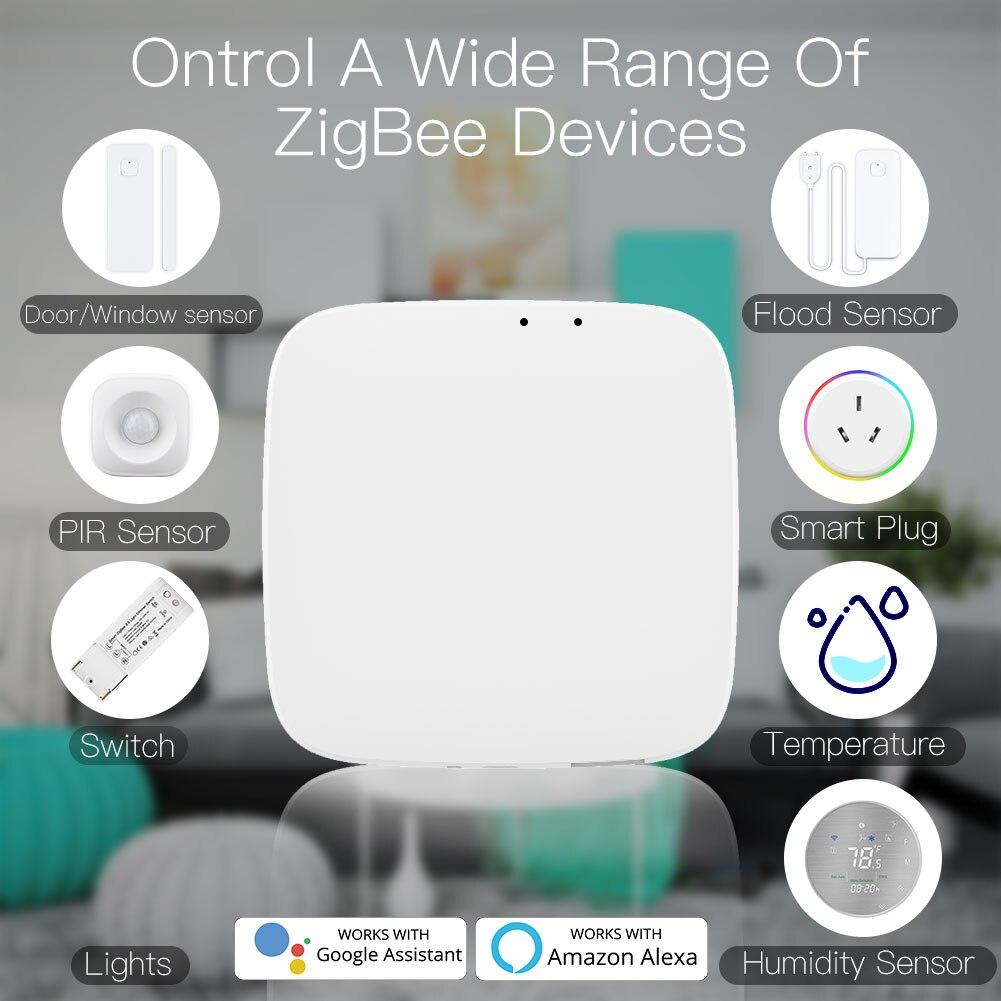
- Interoperability: It serves as the bridge for various endpoints, from ZigBee Smart Light Switches to HVAC controllers.
- Installation: The lack of wiring requirements (for the wireless version) allows integrators to place the hub centrally for optimal RF propagation, rather than being tethered to a server closet.
Scene Control & Local Logic
A critical advantage of using a dedicated Zigbee hub is local execution. If the internet connection drops, the Zigbee mesh remains intact. A Zigbee vs WiFi Smart Button configured to trigger a "Meeting Mode" scene communicates directly through the hub to the lights, bypassing the cloud entirely. This ensures <100ms latency and high availability.
4. Interoperability & The "DALI" Factor
In commercial lighting, DALI (Digital Addressable Lighting Interface) remains the gold standard for driver interoperability. Wireless controls are often used to retrofit DALI fixtures without running new control wires.
- Zigbee to DALI: Requires a specific Zigbee-DALI bridge. These are effective for simple broadcasting or group control but can struggle with the granular extraction of DALI data (like driver failure reports) compared to wired systems.
- Bluetooth to DALI: The Bluetooth SIG has standardized profiles specifically for this. Many commercial drivers now come with "DALI+ with Thread" or native Bluetooth radios, allowing for direct driver communication.
The "Silvair" Ecosystem:
For industrial projects, Bluetooth Mesh firmware provided by companies like Silvair enables "qualified Bluetooth mesh." This ensures that a sensor from Brand A works seamlessly with a high-bay controller from Brand B. Zigbee 3.0 has similar interoperability, but proprietary "walled gardens" (like Philips Hue) can sometimes complicate third-party integration if not using a standard open gateway like the Tuya Hub.
5. Future-Proofing: Matter and Thread
As we look toward 2026, the introduction of Matter—the new universal smart home standard—changes the calculation.

Zigbee is the Bridge to Matter.
Current Zigbee devices will not become obsolete. Instead, the Zigbee Gateway (Coordinator) will receive firmware updates to function as a Matter Bridge. This exposes the existing Zigbee devices to Matter controllers (Apple Home, Google Home, SmartThings) transparently.
Investing in a robust Zigbee 3.0 infrastructure today, anchored by a Matter-ready hub, is a safe path. It provides immediate functionality with a guaranteed upgrade path.
Bluetooth NLC (Networked Lighting Control):
The Bluetooth SIG has recently released NLC profiles, standardizing how occupancy sensors and daylight harvesters communicate. This is positioning Bluetooth Mesh to rival DALI in the commercial space, standardizing "energy saving" behaviors across different manufacturers.
6. Conclusion: Which Protocol to Specify?
The decision relies on the "User vs. Scale" dichotomy when evaluating Zigbee vs Bluetooth Mesh lighting.
Specify Zigbee 3.0 if:
- The project involves a Smart Home, Luxury Apartment, or Small Office.
- The client requires deep integration with Voice Assistants (Alexa/Google) or a specific app interface (Tuya/Smart Life).
- The device count is under 300 per subnet.
- Hardware Requirement: A reliable coordinator like the Tuya ZigBee Smart Gateway Hub to manage local logic and cloud bridging.
Specify Bluetooth Mesh if:
- The project is a Warehouse, Airport, or Stadium.
- The primary goal is automated lighting (occupancy/daylight harvesting) rather than user-app control.
- The node count exceeds 500+ devices.
- You require phone-direct commissioning without setting up a network backbone first.
For most residential and light-commercial integrators, Zigbee remains the most versatile tool in the kit, offering the perfect balance of mesh reliability and user-friendly control platforms.